TR
TR EN
EN

What Is an Air-Assist Injector? Symptoms of Failure, Causes and Diagnosis
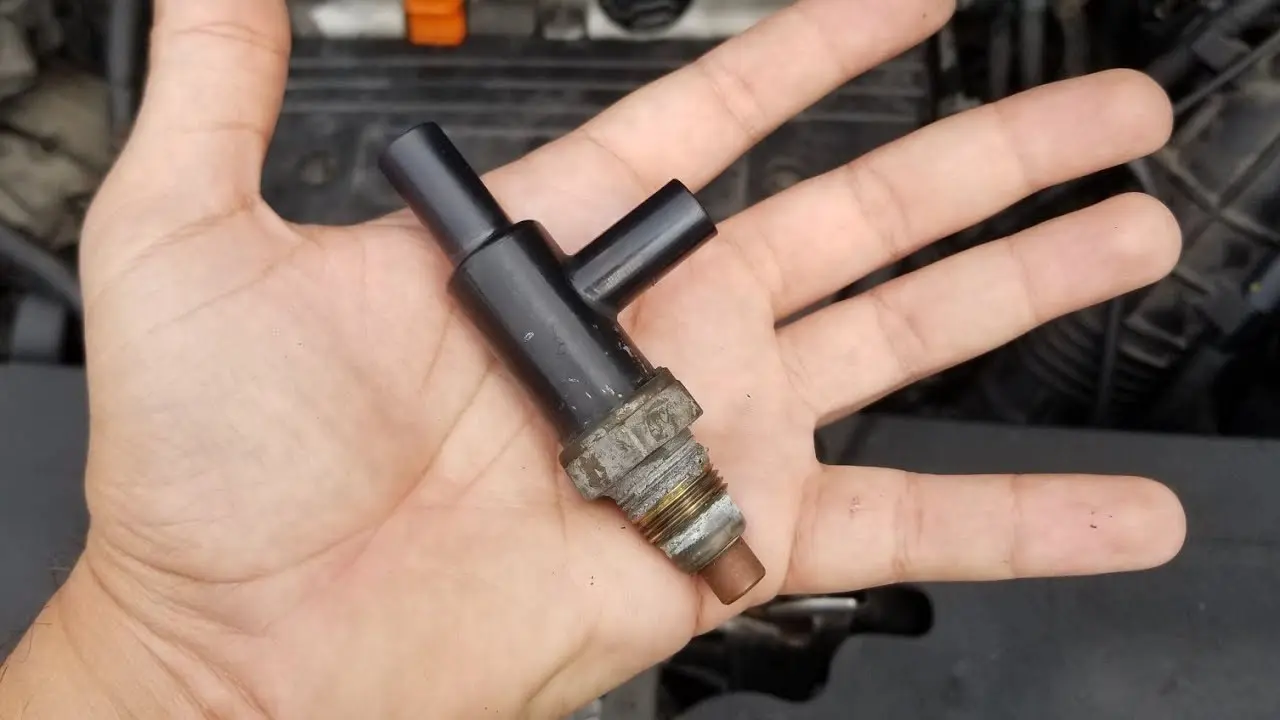
An Air-Assist Injector is a type of fuel injector that uses compressed air to help atomize and deliver fuel into the combustion system.
Unlike a conventional injector that relies primarily on fuel pressure to create a spray pattern, an air-assisted system uses a controlled flow of air to break the fuel into smaller droplets.
Better atomization can improve the mixing of fuel and air, helping the engine achieve more efficient combustion and lower emissions.
Air-assist injection technology has been used in different types of engines and fuel systems, including certain gasoline engines, diesel applications, industrial engines and specialized emission-control systems.
The exact design varies considerably between manufacturers.
A malfunctioning air-assist injector or its air supply system can cause poor atomization, rough engine operation, misfires, increased emissions, poor acceleration and increased fuel consumption.
What Is an Air-Assist Injector?
An Air-Assist Injector is a fuel injection device that uses compressed air to assist the atomization of fuel.
The injector generally has a fuel supply and an air supply.
When the injector is commanded to operate, fuel is delivered through the injector while air is introduced into the injection or atomization process.
The high-velocity air helps break the fuel into smaller droplets.
The resulting mixture can be distributed more effectively into the combustion chamber or intake system, depending on the engine design.
The main objective is to produce a more finely atomized fuel spray.
Why Is Fuel Atomization Important?
Fuel must mix with air before it can burn efficiently.
Large fuel droplets do not evaporate and mix with air as easily as smaller droplets.
Poor atomization can therefore lead to:
-
Incomplete combustion
-
Increased fuel consumption
-
Higher emissions
-
Misfires
-
Poor throttle response
-
Carbon deposits
-
Uneven combustion
Air assistance can help produce smaller fuel droplets and improve the fuel-air mixture.
However, the benefits depend on the specific engine and injection system.
How Does an Air-Assist Injector Work?
The basic operating principle can be described in several stages.
1. Fuel is supplied to the injector
A fuel pump supplies fuel at the pressure required by the system.
2. Air is supplied
A separate air source provides compressed air to the injector or atomization chamber.
3. The injector receives an electronic command
The engine control module determines when and for how long the injector should operate.
4. Fuel is released
The injector opens and allows a precisely controlled quantity of fuel to enter the injection system.
5. Air assists atomization
High-velocity air interacts with the fuel and breaks it into finer droplets.
6. The fuel-air mixture enters the combustion system
The atomized fuel is delivered into the appropriate part of the engine.
The exact sequence differs between air-assisted injection systems.
Main Components of an Air-Assist Injection System
Depending on the design, the system may include:
-
Air-assist injector
-
Fuel injector nozzle
-
Fuel rail or fuel supply line
-
Fuel pump
-
Compressed-air source
-
Air control valve
-
Air regulator
-
Air supply hose
-
Engine control module
-
Injector wiring
-
Pressure sensors
-
Air and fuel passages
Some systems integrate several functions into a single injector assembly.
Where Are Air-Assist Injectors Used?
Air-assisted fuel injection is not a single standardized technology.
Different versions have been used in:
-
Gasoline engines
-
Certain diesel applications
-
Small engines
-
Industrial engines
-
Specialized combustion systems
-
Low-emission engine applications
The injector's location depends on the engine design.
It may be positioned in the intake system, combustion chamber or another part of the fuel delivery system.
What Is the Difference Between a Conventional Injector and an Air-Assist Injector?
A conventional fuel injector uses fuel pressure and the injector nozzle design to atomize fuel.
An air-assist injector adds another mechanism: compressed air assists the atomization process.
The objective of both systems is the same—to deliver the correct amount of fuel in a form that can mix effectively with air.
The difference is primarily in how the fuel is atomized.
What Are the Symptoms of a Faulty Air-Assist Injector?
A defective air-assist injector can cause several engine performance problems.
Common symptoms include:
-
Difficult starting
-
Rough idle
-
Engine misfire
-
Poor acceleration
-
Hesitation
-
Reduced engine power
-
Increased fuel consumption
-
Increased exhaust emissions
-
Poor throttle response
-
Uneven engine operation
-
Engine stalling
-
Check Engine Light
-
Fuel smell
-
Excessive exhaust smoke in some applications
The exact symptoms depend on whether the problem affects fuel delivery, air assistance, electrical control or the injector nozzle itself.
Difficult Engine Starting
If the injector cannot deliver the correct fuel quantity or the air-assist system is not operating properly, the engine may become difficult to start.
The engine may require longer cranking before combustion begins.
Possible causes include:
-
Insufficient fuel pressure
-
Insufficient air-assist pressure
-
Blocked injector
-
Faulty injector solenoid
-
Damaged injector nozzle
-
Electrical circuit problem
-
Incorrect injector command
However, a hard-start condition can also be caused by the battery, ignition system, fuel pump, engine compression or other components.
Rough Idle
A faulty injector can produce an uneven fuel-air mixture.
If one cylinder receives too much or too little fuel, combustion may become inconsistent.
The driver may notice:
-
Engine vibration
-
Unstable idle speed
-
Uneven combustion
-
Misfire
-
Shaking at idle
If the engine uses multiple injectors, comparing cylinder-specific data can help identify whether the problem is isolated to one injector or affects the entire fuel system.
Engine Misfire
Poor injector atomization can contribute to misfires.
If the fuel is not properly atomized, the cylinder may not receive a suitable combustible mixture.
Misfire can result in:
-
Rough running
-
Loss of power
-
Engine vibration
-
Increased emissions
-
Flashing Check Engine Light in some vehicles
A misfire should be diagnosed carefully because ignition, compression, fuel pressure and air leaks can also cause similar symptoms.
Poor Acceleration and Hesitation
An air-assist injector that cannot maintain the correct fuel delivery may cause hesitation during acceleration.
The driver may experience:
-
Delayed throttle response
-
Flat spots
-
Hesitation
-
Poor acceleration
-
Reduced engine power
The problem may become more noticeable under high engine load.
Increased Fuel Consumption
A defective injector may deliver an incorrect amount of fuel.
If the injector leaks or remains open longer than commanded, the engine may run excessively rich.
This can increase fuel consumption.
However, an air-assist problem can also produce poor combustion without necessarily causing a rich mixture.
Other causes of increased fuel consumption should therefore be considered.
Fuel Smell
A strong fuel smell can indicate that fuel is not being burned correctly or that fuel is leaking.
Possible causes include:
-
Leaking injector
-
Injector seal failure
-
Excessive fuel delivery
-
Poor combustion
-
Damaged fuel line
A visible or suspected fuel leak should be treated seriously because liquid fuel presents a fire hazard.
Increased Exhaust Emissions
Poor fuel atomization can increase incomplete combustion and emissions.
Depending on the engine, this may result in increased:
-
Hydrocarbons
-
Carbon monoxide
-
Particulate matter
-
Other combustion-related emissions
A vehicle may therefore fail an emissions inspection even when the engine appears to run reasonably well.
Check Engine Light
Modern engines continuously monitor injector operation and combustion performance.
A fault in the injector or its control circuit can trigger the Check Engine Light.
Potential diagnostic codes may relate to:
-
Injector circuit
-
Injector performance
-
Fuel delivery
-
Misfire
-
Air-assist pressure
-
Air control
-
Fuel pressure
-
System performance
The exact code depends on the engine and manufacturer.
Common Causes of Air-Assist Injector Failure
Several problems can cause an air-assist injector to malfunction.
Injector blockage
Fuel deposits, contamination or carbon can restrict the injector nozzle.
Injector leakage
A damaged injector may allow fuel to pass when it should be closed.
Electrical failure
The injector solenoid or electrical circuit can fail.
Low air pressure
Insufficient air assistance can prevent proper atomization.
Air supply restriction
A blocked air passage or hose can reduce airflow.
Fuel pressure problems
A weak fuel pump or restricted fuel supply can affect injector operation.
Damaged seals
Injector seals can deteriorate and allow fuel or air leakage.
Contaminated fuel
Dirt or water in the fuel can damage or restrict the injector.
Heat damage
High temperatures can affect injector components, wiring and seals.
Air-Assist System Air Leaks
Because the system depends on controlled air delivery, an air leak can affect injector performance.
A damaged hose, loose connection or defective seal may reduce the pressure available to the injector.
Possible symptoms include:
-
Poor atomization
-
Hesitation
-
Rough idle
-
Reduced power
-
Increased emissions
-
Intermittent injector operation
The air supply system should therefore be inspected whenever an air-assist injector problem is suspected.
Low Air-Assist Pressure
If the air pressure is below the specified level, the injector may not atomize fuel correctly.
Possible causes include:
-
Faulty air pump
-
Restricted air filter
-
Blocked air passage
-
Damaged hose
-
Air leak
-
Faulty pressure regulator
-
Faulty control valve
-
Electrical problem
The injector itself may be perfectly functional.
This is why the air supply should be tested before replacing the injector.
Excessive Air Pressure
Too much air can also affect system operation.
The correct air-to-fuel relationship is important for proper atomization.
Excessive pressure may result from:
-
Faulty pressure regulator
-
Incorrect control signal
-
Blocked pressure-control system
-
Faulty air control valve
The specified pressure for the particular engine should be used for diagnosis.
Injector Electrical Problems
Air-assist injectors are usually electronically controlled.
Possible electrical faults include:
-
Open circuit
-
Short circuit
-
High resistance
-
Low resistance
-
Damaged wiring
-
Loose connector
-
Corroded terminals
-
Internal solenoid failure
The injector should receive the correct electrical command before it can operate properly.
A wiring problem can therefore produce symptoms that appear to indicate injector failure.
How Is an Air-Assist Injector Diagnosed?
Diagnosis should begin with a scan tool and a visual inspection.
A technician may check:
-
Diagnostic trouble codes
-
Injector command
-
Injector activation
-
Fuel pressure
-
Air-assist pressure
-
Air supply
-
Electrical circuit
-
Injector resistance
-
Injector leakage
-
Fuel quality
-
Combustion performance
Live data can help determine whether the problem is isolated to the injector or affects the entire system.
Injector Activation Test
Many vehicles allow an injector actuator test using suitable diagnostic equipment.
The technician can command the injector to operate and observe the response.
Depending on the system, this may help determine whether:
-
The injector receives the command
-
The solenoid operates
-
Fuel delivery occurs
-
Air assistance is present
-
The system responds correctly
The test procedure must follow the manufacturer's specifications.
Testing Injector Resistance
On injectors with accessible electrical specifications, resistance can be measured using appropriate equipment.
An open circuit or resistance outside the manufacturer's specified range can indicate an internal electrical problem.
However, resistance testing alone cannot prove that an injector is mechanically functioning correctly.
An injector may have the correct resistance but still be blocked, leaking or producing an incorrect spray pattern.
Checking the Spray Pattern
The injector spray pattern is an important part of diagnosis where testing equipment and the manufacturer's procedure allow it.
A good injector should produce a consistent and appropriate spray pattern.
Problems may include:
-
Poor atomization
-
Uneven spray
-
Restricted nozzle
-
Excessive fuel flow
-
Dripping after the injector closes
Professional injector test equipment can provide more reliable results than visual inspection alone.
Can an Air-Assist Injector Be Cleaned?
In some cases, injector cleaning can remove deposits and restore proper flow.
However, cleaning is not a solution for every injector problem.
Cleaning may not repair:
-
Internal electrical failure
-
Damaged solenoid
-
Broken mechanical components
-
Severe nozzle wear
-
Damaged seals
-
Internal leakage
If the injector is mechanically or electrically damaged, replacement may be necessary.
Should All Injectors Be Replaced at the Same Time?
Not necessarily.
If one injector has failed, the remaining injectors should be tested rather than automatically replaced.
However, if all injectors show signs of contamination, wear or poor flow, servicing the complete set may be appropriate.
The correct approach depends on the engine and manufacturer's recommendations.
Air-Assist Injector vs Direct Fuel Injector
These terms describe different aspects of injection technology.
A direct fuel injector delivers fuel directly into the combustion chamber.
An air-assist injector uses compressed air to help atomize the fuel.
Some systems can incorporate both concepts.
Therefore, "air-assist" describes the atomization method, while "direct injection" describes where the fuel is delivered.
Can a Faulty Air-Assist Injector Damage the Engine?
A defective injector can potentially cause secondary problems if the vehicle continues to operate with severe fuel delivery problems.
For example, excessive fuel delivery can lead to poor combustion and increased deposits.
A severely lean or otherwise incorrect mixture can also increase combustion temperatures or cause other operating problems depending on the engine.
A leaking injector can introduce excessive fuel into a cylinder and may contribute to lubrication or catalyst problems in some applications.
For this reason, persistent injector problems should be diagnosed promptly.
Can You Drive With a Faulty Air-Assist Injector?
The answer depends on the severity of the fault.
If the injector has a minor performance problem, the vehicle may continue to operate.
However, continued driving with severe misfire, fuel leakage, strong fuel smell or significant loss of power is not recommended.
A serious misfire can also damage the catalytic converter or other emission-control components in some engines.
How to Prevent Air-Assist Injector Problems
Proper maintenance can help reduce injector problems.
Important practices include:
-
Use high-quality fuel from reliable sources.
-
Replace fuel filters at the recommended intervals where applicable.
-
Keep the air-assist system clean.
-
Inspect air hoses and connections.
-
Repair air leaks promptly.
-
Keep electrical connectors clean and secure.
-
Follow the manufacturer's maintenance schedule.
-
Avoid contaminated fuel.
-
Do not ignore Check Engine Light warnings.
-
Diagnose poor engine performance before replacing components.
Frequently Asked Questions
What is an air-assist injector?
An air-assist injector is a fuel injector that uses compressed air to help atomize fuel into smaller droplets.
Does an air-assist injector use both fuel and air?
Yes. The system uses fuel and a controlled supply of air to improve fuel atomization.
Can a blocked air-assist injector cause a misfire?
Yes. Poor or uneven fuel delivery can result in an incorrect mixture and misfire.
Can an air leak cause injector problems?
Yes. An air leak can reduce the pressure available for fuel atomization and affect injector performance.
Can a faulty injector increase fuel consumption?
Yes. An injector that leaks or delivers excessive fuel can increase fuel consumption.
Can an air-assist injector cause a Check Engine Light?
Yes. Injector electrical faults, performance problems and combustion issues can trigger diagnostic trouble codes.
Can the injector be cleaned instead of replaced?
Sometimes. Cleaning may help with deposits or restrictions, but it cannot repair internal electrical or mechanical damage.
Is an air-assist injector the same as a normal fuel injector?
Not exactly. Both deliver fuel, but an air-assist injector uses an additional air stream to help atomize the fuel.
Final Thoughts
An Air-Assist Injector is a specialized fuel injection component that uses compressed air to improve fuel atomization.
By producing finer fuel droplets, the system can help create a more uniform fuel-air mixture and support efficient combustion.
A problem with the injector itself—or with the air and fuel systems supporting it—can cause hard starting, rough idle, misfire, hesitation, poor acceleration, increased fuel consumption, increased emissions and Check Engine Light warnings.
However, an injector should not automatically be replaced when these symptoms occur.
The air supply, fuel pressure, electrical circuit, injector command, seals, fuel quality and other engine components can produce similar symptoms.
The most reliable diagnosis combines fault-code analysis, live data, fuel-pressure testing, air-pressure testing, electrical checks and injector performance testing.
Correct diagnosis is essential because the actual cause may be a blocked air passage, low air pressure, fuel-pressure problem or wiring fault rather than the injector itself.