TR
TR EN
EN

What Is Engine Reconditioning? How Is an Engine Reconditioned?
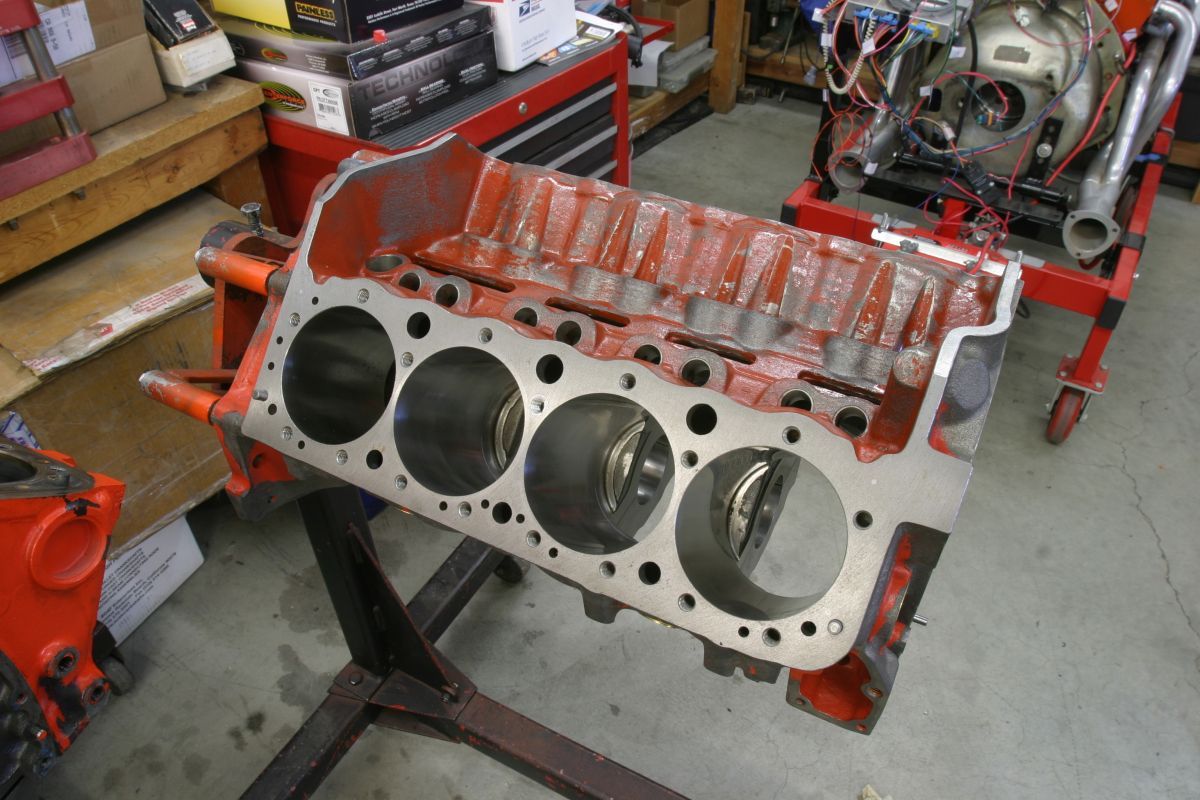
Engine reconditioning, commonly known as engine rebuilding or machining, is the process of inspecting, measuring, machining, repairing, and replacing worn or damaged engine components to restore the engine to proper operating condition.
The process is often considered when an engine has high mileage, excessive oil consumption, low compression, severe overheating, bearing damage, or significant internal wear.
Engine reconditioning does not simply mean removing the engine and installing new parts. The most important part of the process is measuring the engine components after disassembly and determining which parts can be reused, which need machining, and which must be replaced.
Why Does an Engine Need Reconditioning?
Engine components gradually wear because of friction, high temperatures, inadequate lubrication, contamination, and operating conditions.
Common situations that may require engine reconditioning include:
-
Worn cylinder bores
-
Worn pistons or piston rings
-
Worn crankshaft journals
-
Worn main or connecting rod bearings
-
Excessive engine oil consumption
-
Low compression
-
Significant compression differences between cylinders
-
Bearing failure
-
Severe engine overheating
-
Cylinder head deformation
-
Cracked engine block or cylinder head
-
Damaged pistons
-
Damaged valves
-
Severe internal engine damage
However, not every engine that consumes oil or has low compression requires a complete rebuild. The underlying problem should be diagnosed before deciding to disassemble and machine the engine.
Which Engine Components Are Inspected?
After the engine is disassembled, its components are thoroughly cleaned and measured.
Important components include:
-
Engine block
-
Cylinder bores
-
Crankshaft
-
Pistons
-
Piston rings
-
Connecting rods
-
Main bearings
-
Connecting rod bearings
-
Cylinder head
-
Valves
-
Valve seats
-
Camshaft
-
Camshaft bearings
-
Oil pump
-
Water pump
-
Timing belt or timing chain components
-
Gaskets and seals
Measurements are then compared with the manufacturer's specifications to determine which components require machining or replacement.
How Is Engine Reconditioning Done?
The exact procedure depends on the engine and the extent of the damage. A typical engine reconditioning process includes several stages.
The engine is removed and disassembled
The engine may be removed from the vehicle and completely disassembled so that its internal components can be inspected.
In some cases, only specific components need to be removed for diagnosis, but a major rebuild generally requires extensive disassembly.
The components are thoroughly cleaned
Oil deposits, carbon, sludge, metal particles, and other contaminants are removed from the components.
Proper cleaning is important because accurate measurements cannot be obtained from dirty or contaminated parts.
The cylinder bores are measured
The diameter of each cylinder is measured at different heights and in different directions.
This allows the technician to determine whether the cylinder has:
-
Taper
-
Out-of-round wear
-
Excessive diameter
-
Surface damage
If cylinder wear is minor, honing may be sufficient.
If the cylinder has excessive wear or damage, it may need to be bored to a larger diameter.
How Are Cylinder Bores Honed or Bored?
Honing removes a small amount of material and produces a controlled crosshatch pattern on the cylinder walls.
This surface pattern helps the piston rings seat correctly and retain an appropriate oil film.
If the cylinders are significantly worn, they may first be bored to a larger diameter and then honed to the required final dimensions.
When the cylinder diameter is increased, the engine normally requires appropriately sized oversized pistons and piston rings.
How Are Pistons Inspected?
Pistons are inspected for:
-
Diameter
-
Skirt wear
-
Cracks
-
Scoring
-
Ring groove wear
-
Wrist pin condition
A piston that is cracked, severely worn, damaged, or outside the manufacturer's specifications should be replaced.
If the cylinder bores are machined to an oversized diameter, matching oversized pistons may be required.
How Is a Crankshaft Reconditioned?
The crankshaft is one of the most important moving components in the engine.
The main and connecting rod journals are measured for wear, scoring, taper, and out-of-round conditions.
If the journals are worn but remain suitable for machining, they may be ground to an approved undersize.
The engine is then fitted with appropriately sized undersize bearings.
However, a crankshaft should not automatically be ground whenever wear is found. The available dimensions and the manufacturer's machining limits must be considered.
If the crankshaft is beyond the permitted machining limits, replacement may be necessary.
How Is the Cylinder Head Reconditioned?
The cylinder head can become distorted, particularly after severe overheating.
After removal, the cylinder head surface is checked for flatness.
If necessary, the surface may be machined to restore the required flatness.
Other components are also inspected, including:
-
Valves
-
Valve seats
-
Valve guides
-
Camshaft bearing surfaces
-
Oil passages
-
Coolant passages
-
Cracks
-
Head gasket sealing surfaces
If a crack is found, the cylinder head must be evaluated to determine whether it can be professionally repaired or should be replaced.
Why Are Piston Rings Replaced?
Piston rings are essential for maintaining combustion pressure inside the cylinder and controlling engine oil.
When piston rings become worn, combustion gases can escape past the pistons into the crankcase.
This can result in:
-
Reduced compression
-
Reduced engine performance
-
Increased oil consumption
-
Blue exhaust smoke
-
Increased crankcase pressure
During an engine rebuild, piston rings must be selected according to the final piston and cylinder dimensions.
Ring end gaps must also be checked carefully during assembly.
Why Are Engine Bearings Replaced?
Main bearings and connecting rod bearings support the crankshaft and allow it to rotate with controlled clearance.
Worn bearings can contribute to:
-
Low oil pressure
-
Knocking noises
-
Increased bearing clearance
-
Crankshaft damage
-
Serious engine failure
If the crankshaft has been machined, the bearing size must match the final crankshaft dimensions.
Bearing clearance should be measured during assembly rather than assuming that a standard bearing will automatically provide the correct clearance.
Is the Oil Pump Checked During an Engine Rebuild?
Yes.
The oil pump is a critical part of the engine lubrication system and should be inspected during a major rebuild.
Installing a new set of pistons and bearings while reusing a severely worn oil pump can compromise the entire rebuild.
If the oil pump is excessively worn, replacing it may be preferable to attempting to reuse it.
Correct oil pressure is essential for protecting the newly reconditioned engine components.
Is the Timing System Replaced During Reconditioning?
The timing system should be inspected whenever the engine is extensively disassembled.
On timing-belt engines, the following components may be replaced depending on their condition and service requirements:
-
Timing belt
-
Tensioner
-
Idler pulleys
-
Water pump
On timing-chain engines, the chain, tensioner, guides, and related components should be inspected.
There is little benefit in rebuilding an engine only to have an old timing component fail shortly afterward.
How Is the Reconditioned Engine Reassembled?
After machining and component replacement are completed, the engine is carefully reassembled.
This requires much more than simply putting the parts back together.
The following specifications must be followed according to the engine manufacturer's requirements:
-
Fastener tightening torques
-
Main bearing clearance
-
Connecting rod bearing clearance
-
Piston-to-cylinder clearance
-
Piston ring end gaps
-
Valve clearances
-
Timing alignment
-
Gasket installation procedures
-
Seal installation procedures
Critical clearances should be measured during assembly.
Using standard-size components without checking the actual dimensions of the crankshaft, cylinders, pistons, and bearings is not a proper rebuilding procedure.
Does a Reconditioned Engine Need a Break-In Period?
Yes.
A rebuilt engine generally requires a proper break-in period so that newly installed and machined components can establish the correct contact surfaces.
Piston rings in particular need to seat properly against the cylinder walls.
During the initial operating period, the engine should not simply be subjected to constant high RPM or excessive loads.
The break-in procedure recommended by the engine builder and vehicle manufacturer should be followed.
Engine oil and filter condition should also be monitored during the initial period.
Is a Reconditioned Engine the Same as a New Engine?
A properly reconditioned engine can provide excellent performance and service life.
However, a rebuilt or reconditioned engine is not necessarily identical to a completely new factory engine.
The final result depends on:
-
Quality of machining
-
Accuracy of measurements
-
Quality of replacement parts
-
Condition of the engine block
-
Condition of the crankshaft
-
Assembly quality
-
Correct clearances
-
Proper break-in
-
Maintenance after the rebuild
Poor machining or incorrect assembly can cause excessive oil consumption, low compression, bearing noise, or other problems soon after the rebuild.
Are All Engine Parts Replaced During Reconditioning?
No.
The purpose of engine reconditioning is not to replace every component unnecessarily.
Parts are inspected and measured against the manufacturer's specifications.
For example, a crankshaft that remains within acceptable specifications may be reused. Likewise, cylinder bores that have only minor wear may require honing rather than complete boring.
However, a component that is beyond its allowable tolerance should not be reused simply to reduce the cost of the rebuild.
Engine Reconditioning vs. Engine Replacement
During engine reconditioning, the existing engine is disassembled and its usable components are retained while worn parts are machined, repaired, or replaced.
With an engine replacement, the existing engine is removed and another engine is installed.
The better option depends on the extent of the damage, availability of replacement parts, labor costs, engine value, and the condition and history of the replacement engine.
A rebuild can be particularly attractive when the original engine block and major components are still suitable for machining.
How Can You Tell If an Engine Needs Reconditioning?
A rebuild decision should not be based solely on symptoms.
Excessive oil consumption, low compression, blue smoke, unusual engine noise, and low oil pressure can all indicate internal engine problems, but they do not automatically mean that a complete rebuild is required.
Depending on the symptoms, diagnostic testing may include:
-
Compression test
-
Cylinder leak-down test
-
Engine oil pressure test
-
Borescope inspection
-
Engine oil inspection
-
Oil filter inspection for metal particles
-
Cylinder bore measurements
-
Piston measurements
-
Crankshaft measurements
-
Bearing clearance measurements
Once the engine is disassembled, its actual mechanical condition can be determined much more accurately.
Why Can a Reconditioned Engine Fail Again?
A rebuilt engine can develop problems again if the machining, component selection, or assembly is not performed correctly.
Common causes include:
-
Incorrect measurements
-
Incorrect machining
-
Incorrect component selection
-
Low-quality replacement parts
-
Incorrect cylinder dimensions
-
Incorrect piston-to-cylinder clearance
-
Incorrect bearing clearance
-
Incorrect piston ring installation
-
Incorrect ring end gaps
-
Incorrect timing
-
Poor lubrication
-
Incorrect engine oil
-
Improper assembly
-
Inadequate cleaning
-
Improper break-in
This is why accurate measurement and adherence to manufacturer tolerances are just as important as replacing worn parts.
How Long Does a Reconditioned Engine Last?
There is no universal mileage figure for a reconditioned engine.
Its service life depends on how extensively the engine was rebuilt, the quality of the components, machining accuracy, assembly quality, lubrication system condition, maintenance, and driving conditions.
A properly reconditioned engine built with high-quality components and correct tolerances can provide many years of reliable service.
However, the fact that an engine has been rebuilt does not automatically guarantee a long service life.
What Is the Most Important Part of Engine Reconditioning?
The most important principle in engine reconditioning is that components should be evaluated through accurate measurement and manufacturer specifications, not by visual inspection alone.
Cylinder dimensions, piston size, crankshaft journal dimensions, bearing clearances, piston ring gaps, and cylinder head flatness all need to be checked carefully.
Components requiring machining should be processed using suitable precision equipment, and the engine should be assembled according to the manufacturer's technical specifications.
In other words, engine reconditioning is not simply the process of removing old parts and installing new ones. It is the process of measuring worn components, machining or replacing them when necessary, and carefully rebuilding the engine so that its critical dimensions and clearances return to the required specifications.