TR
TR EN
EN

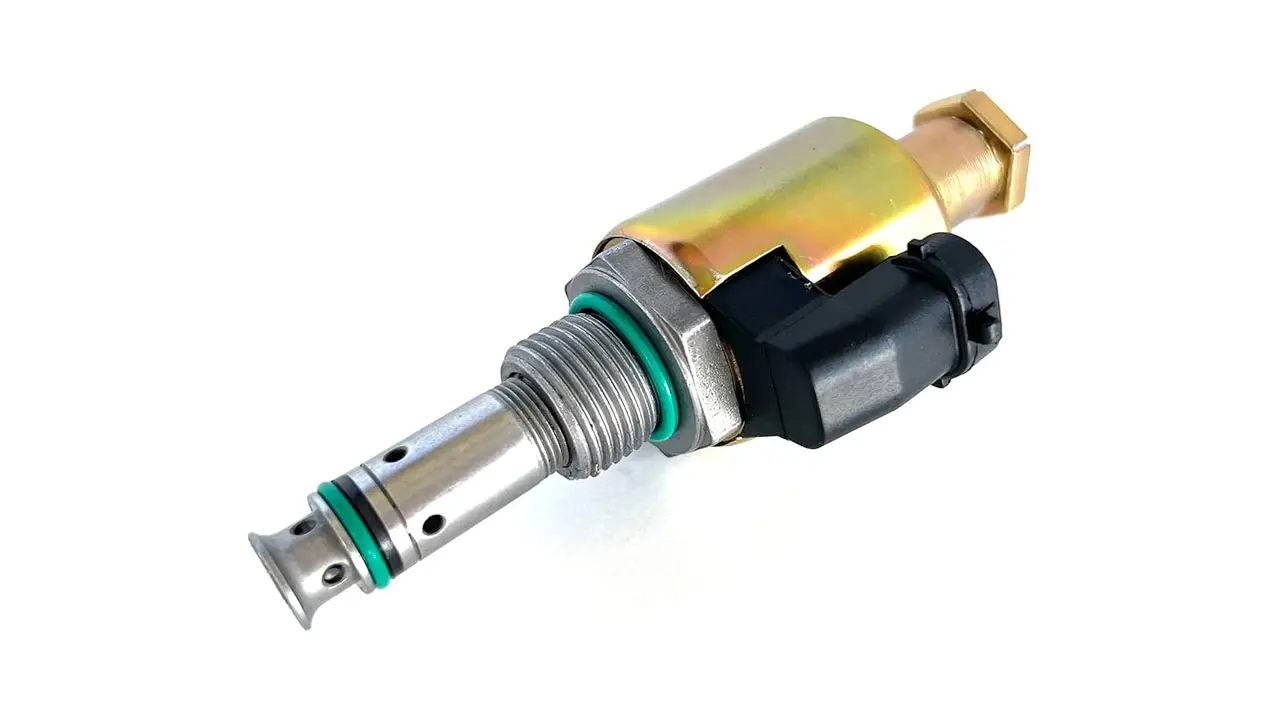
What Is an Injector Pressure Regulator (IPR)? Symptoms of Failure, Causes and Solutions
The Injector Pressure Regulator (IPR) is an important component in certain diesel engine fuel injection systems, particularly Hydraulic Electronic Unit Injector (HEUI) systems.
Its main function is to control the high-pressure engine oil used to operate the fuel injectors. By regulating this pressure, the IPR helps the engine control module maintain the correct injection pressure under different operating conditions.
When the IPR operates correctly, the engine can start reliably, idle smoothly and deliver the required power.
When it fails, the engine may become difficult to start, run roughly, lose power or fail to start altogether.
What Is an Injector Pressure Regulator?
The Injector Pressure Regulator, commonly abbreviated as IPR, is an electronically controlled pressure-regulating valve.
Despite its name, the IPR does not normally regulate the fuel pressure directly.
This distinction is important.
In a HEUI system, the IPR regulates high-pressure engine oil pressure. This oil pressure is then used by the injectors to generate the hydraulic force required for fuel injection.
The engine control module, often called the ECM or PCM, controls the IPR according to engine operating conditions.
The IPR may be found under different names depending on the manufacturer, but its operating principle is similar: control injection-related hydraulic pressure by regulating high-pressure oil flow.
What Is a HEUI Injection System?
To understand the IPR, it is useful to understand the HEUI system.
HEUI stands for Hydraulic Electronic Unit Injector.
Unlike a conventional diesel injection system that relies primarily on mechanical or common-rail fuel pressure to operate the injector, a HEUI system uses high-pressure engine oil to hydraulically actuate the injectors.
The basic process is:
Engine oil → High-pressure oil pump → IPR → Injector → Fuel injection
The high-pressure oil pump generates hydraulic pressure.
The IPR controls this pressure.
The injectors use the hydraulic pressure to amplify the force and inject diesel fuel into the combustion chamber.
The electronic control system determines when and how much fuel should be injected.
How Does the IPR Work?
The IPR contains an electrically controlled solenoid and a pressure-regulating mechanism.
The engine control module changes the IPR's control signal according to the pressure required by the engine.
When more injection pressure is needed, the IPR changes its position so that the high-pressure oil system can build the required pressure.
When less pressure is required, the regulator changes position to reduce or control the pressure.
The ECM also monitors the actual pressure through an appropriate pressure sensor, depending on the engine design.
The control module can therefore compare the desired pressure with the actual pressure.
If the actual pressure does not reach the expected value, the ECM may identify a fault in the injection pressure control system.
Why Is IPR Pressure Important?
The injectors need sufficient hydraulic pressure to operate correctly.
If pressure is too low, the injectors may not be able to deliver fuel correctly.
This can cause:
-
Hard starting
-
Extended cranking
-
Rough idle
-
Misfire
-
Poor acceleration
-
Reduced engine power
-
Engine stalling
-
No-start condition
The required pressure varies depending on engine design and operating conditions.
For this reason, IPR diagnosis should be performed using the manufacturer's specified pressure and control values rather than a universal pressure number.
IPR Failure Symptoms
A faulty IPR can produce several symptoms.
Common symptoms include:
-
Engine difficult to start
-
Long cranking time
-
Engine fails to start
-
Rough idle
-
Engine misfire
-
Poor acceleration
-
Reduced engine power
-
Engine stalling
-
Irregular engine operation
-
Low injection control pressure
-
Check Engine Light
-
Diagnostic trouble codes
-
Unstable injection pressure
-
Intermittent starting problems
The exact symptoms depend on whether the IPR is stuck open, stuck closed, electrically defective or affected by contamination.
Difficult or Extended Engine Starting
One of the most common symptoms of an IPR-related problem is difficult starting.
The engine may crank for an extended period before starting.
In severe cases, it may crank normally but fail to start.
This can happen because the injection system cannot build sufficient hydraulic pressure during cranking.
However, an IPR should not immediately be blamed for every hard-start condition.
Other causes can include:
-
Weak batteries
-
Low cranking speed
-
Faulty high-pressure oil pump
-
Oil leaks in the high-pressure system
-
Low engine oil level
-
Incorrect engine oil
-
Faulty pressure sensor
-
Injector problems
-
Fuel supply problems
-
Wiring faults
Proper diagnosis is therefore essential.
Engine Cranks but Does Not Start
A defective IPR can contribute to a crank-no-start condition.
In a HEUI engine, the control system generally needs sufficient injection control pressure before the injectors can operate correctly.
If the IPR cannot regulate the pressure correctly, the required pressure may not be achieved during cranking.
The engine may therefore crank continuously without starting.
A scan tool can be particularly useful in this situation because the technician can compare:
-
Desired injection control pressure
-
Actual injection control pressure
-
IPR command or duty cycle
-
Engine RPM during cranking
-
Other relevant sensor values
This helps determine whether the problem is actually related to pressure regulation.
Rough Idle and Misfire
A malfunctioning IPR can cause unstable injection pressure.
If injection pressure is inconsistent, fuel delivery may also become inconsistent.
The engine may then experience:
-
Rough idle
-
Shaking
-
Uneven combustion
-
Misfire-like symptoms
-
Fluctuating engine speed
However, these symptoms can also result from defective injectors, air entering the fuel system, fuel-quality problems, compression issues or other engine faults.
Loss of Engine Power
If the injection system cannot maintain the required pressure under load, engine performance may decrease.
The driver may notice:
-
Slow acceleration
-
Reduced pulling power
-
Difficulty climbing hills
-
Poor response under load
-
Reduced maximum speed
-
Engine entering a reduced-power mode
A power-loss complaint should be diagnosed using live data rather than replacing the IPR immediately.
Engine Stalling
An IPR fault can sometimes cause the engine to stall.
For example, if the regulator intermittently fails to maintain the required injection control pressure, the engine may lose proper injector operation.
Stalling can occur:
-
At idle
-
During acceleration
-
When the engine is hot
-
After the engine reaches operating temperature
-
Intermittently
Temperature-dependent problems are particularly important because some electrical and hydraulic faults become more noticeable as components heat up.
Check Engine Light
A defective IPR or an injection pressure control problem can trigger the Check Engine Light.
Depending on the vehicle, diagnostic trouble codes may relate to:
-
Injection control pressure
-
Pressure regulation
-
IPR electrical circuit
-
Pressure sensor performance
-
Desired versus actual pressure
-
Injector control system
The exact code should always be interpreted according to the specific engine manufacturer's diagnostic information.
Common Causes of IPR Failure
An IPR can fail for several reasons.
Electrical failure
The internal solenoid may develop an open circuit, short circuit or other electrical fault.
Damaged wiring
The wiring harness may become damaged due to heat, vibration, oil contamination or physical contact.
Connector problems
Corrosion, loose terminals or poor electrical connections can cause intermittent operation.
Contamination
Dirty engine oil or debris can interfere with the regulator's internal mechanism.
Sticking valve
The regulator may become stuck because of contamination or mechanical wear.
Seal failure
Damaged seals can allow high-pressure oil to leak.
Poor engine oil condition
Incorrect oil, contaminated oil or inadequate maintenance can contribute to hydraulic system problems.
Wear
Internal components can wear over time and affect pressure regulation.
Can Low Engine Oil Cause IPR Problems?
Yes.
This is an important point in HEUI systems.
Because the system uses engine oil to generate hydraulic injection pressure, the engine must have sufficient oil of the correct specification.
Low engine oil level or severely degraded oil can affect the operation of the high-pressure injection system.
However, low oil level does not automatically mean that the IPR itself is defective.
The complete system should be inspected.
Can Dirty Oil Damage the IPR?
Yes.
The IPR contains precision components that must move correctly to regulate pressure.
Contaminated engine oil can introduce particles into the hydraulic system.
These particles may interfere with the regulator's operation or cause it to stick.
Regular oil and filter maintenance is therefore particularly important on engines using HEUI technology.
IPR Electrical Faults
The IPR is electronically controlled, so electrical diagnosis is an important part of troubleshooting.
A technician may inspect:
-
IPR power supply
-
Ground circuit
-
Control circuit
-
Wiring continuity
-
Connector terminals
-
Harness damage
-
Solenoid resistance
-
ECM control signal
An electrical problem can make a perfectly functional mechanical regulator appear to be defective.
For this reason, the wiring should be tested before replacing the component.
IPR Valve Stuck Open
If the IPR becomes stuck in a position that prevents the system from building adequate pressure, the engine may experience low injection control pressure.
Possible symptoms include:
-
Hard starting
-
Long cranking
-
No-start
-
Rough running
-
Low power
-
Low pressure during cranking
The exact behaviour depends on the design of the IPR and hydraulic system.
IPR Valve Stuck Closed
If the regulator becomes stuck in the opposite direction, hydraulic pressure may not be controlled correctly.
This can result in excessive or abnormal injection control pressure.
Possible symptoms include:
-
Poor engine operation
-
Pressure-related fault codes
-
Rough running
-
Abnormal pressure readings
-
Reduced performance
The actual failure mode should be confirmed using live pressure data and manufacturer-specific testing procedures.
How Is an IPR Diagnosed?
A proper IPR diagnosis should not be based solely on symptoms.
A technician will generally begin by scanning the ECM for diagnostic trouble codes.
The next step is to examine live data.
Important values may include:
-
Engine RPM during cranking
-
Desired injection control pressure
-
Actual injection control pressure
-
IPR command percentage
-
Pressure sensor readings
-
Battery voltage
-
Engine oil level
-
Engine oil condition
If actual pressure does not follow the commanded pressure, the technician can investigate the hydraulic system.
IPR Duty Cycle
The ECM may control the IPR using a variable electrical command, commonly expressed as a duty cycle percentage.
The duty cycle indicates how strongly the control module is commanding the regulator.
The exact normal range depends on the engine and operating conditions.
A high IPR command does not automatically mean that the IPR is defective.
For example, if the ECM is commanding the IPR aggressively because the system cannot build pressure, the actual problem may be an oil leak, weak high-pressure pump or injector-related internal leak.
This is why command data and actual pressure should be evaluated together.
IPR vs Injection Control Pressure Sensor
The IPR and the injection control pressure sensor perform different functions.
The IPR controls hydraulic pressure.
The pressure sensor measures hydraulic pressure.
If the sensor reports incorrect information, the ECM may make incorrect pressure-control decisions.
Therefore, a pressure-related diagnostic code does not automatically mean that the IPR is faulty.
The sensor, wiring and hydraulic system must also be considered.
IPR vs High-Pressure Oil Pump
The IPR and high-pressure oil pump also have different jobs.
The high-pressure oil pump generates hydraulic pressure.
The IPR regulates that pressure.
If the pump is worn or unable to produce sufficient pressure, replacing the IPR will not solve the problem.
Similarly, if the pump is healthy but the IPR is stuck or electrically defective, replacing the pump may be unnecessary.
Correct diagnosis requires testing both sides of the system.
Can an IPR Be Cleaned?
In some situations, contamination may cause an IPR to stick.
However, whether an IPR can be successfully cleaned depends on the specific component and manufacturer's service procedure.
If the valve has internal wear, damaged seals or electrical failure, cleaning may not restore reliable operation.
A technician should follow the manufacturer's recommended inspection and repair procedure.
Should the IPR Be Replaced Immediately?
Not necessarily.
Before replacing an IPR, technicians should verify:
-
Correct engine oil level
-
Correct oil specification
-
Battery voltage
-
Cranking speed
-
Wiring condition
-
Electrical connector condition
-
Pressure sensor operation
-
High-pressure oil system condition
-
Actual injection control pressure
-
IPR command
-
Possible internal oil leaks
Only after these checks should the IPR be identified as the primary fault.
Can You Drive With a Faulty IPR?
It depends on the severity of the fault.
A vehicle with an intermittent IPR problem may continue running, but the engine can stall or fail to restart unexpectedly.
A severe IPR problem may result in a complete no-start condition.
If the engine is losing power, stalling or experiencing serious injection pressure problems, continued operation is not recommended until the cause has been diagnosed.
How to Prevent IPR Problems
Good maintenance can reduce the likelihood of IPR and HEUI system problems.
Important practices include:
-
Maintain the correct engine oil level.
-
Use the correct oil specification.
-
Replace the engine oil at the recommended intervals.
-
Replace the oil filter regularly.
-
Keep electrical connectors clean and secure.
-
Inspect wiring around the engine for heat or vibration damage.
-
Address oil leaks promptly.
-
Do not ignore injection pressure-related fault codes.
-
Use appropriate diagnostic procedures before replacing expensive components.
Because the IPR depends on the hydraulic oil system, engine oil maintenance is particularly important.
Final Thoughts
The Injector Pressure Regulator (IPR) is a critical component in engines that use a HEUI-type injection system.
Its job is to regulate the high-pressure engine oil used to operate the injectors. By controlling this pressure, the IPR helps the engine control module achieve the injection conditions required for starting, idling, acceleration and normal engine operation.
A failing IPR can cause hard starting, extended cranking, no-start conditions, rough idle, loss of power, stalling and injection-pressure-related fault codes.
However, these symptoms do not prove that the IPR itself is defective.
Problems with the high-pressure oil pump, pressure sensor, engine oil, injectors, wiring, seals or other hydraulic components can produce very similar symptoms.
The most reliable diagnosis is therefore based on actual injection control pressure, desired pressure, IPR command, electrical testing and hydraulic-system inspection.
Correct diagnosis is especially important because replacing the IPR without identifying the real cause can leave the original problem unresolved.