TR
TR EN
EN

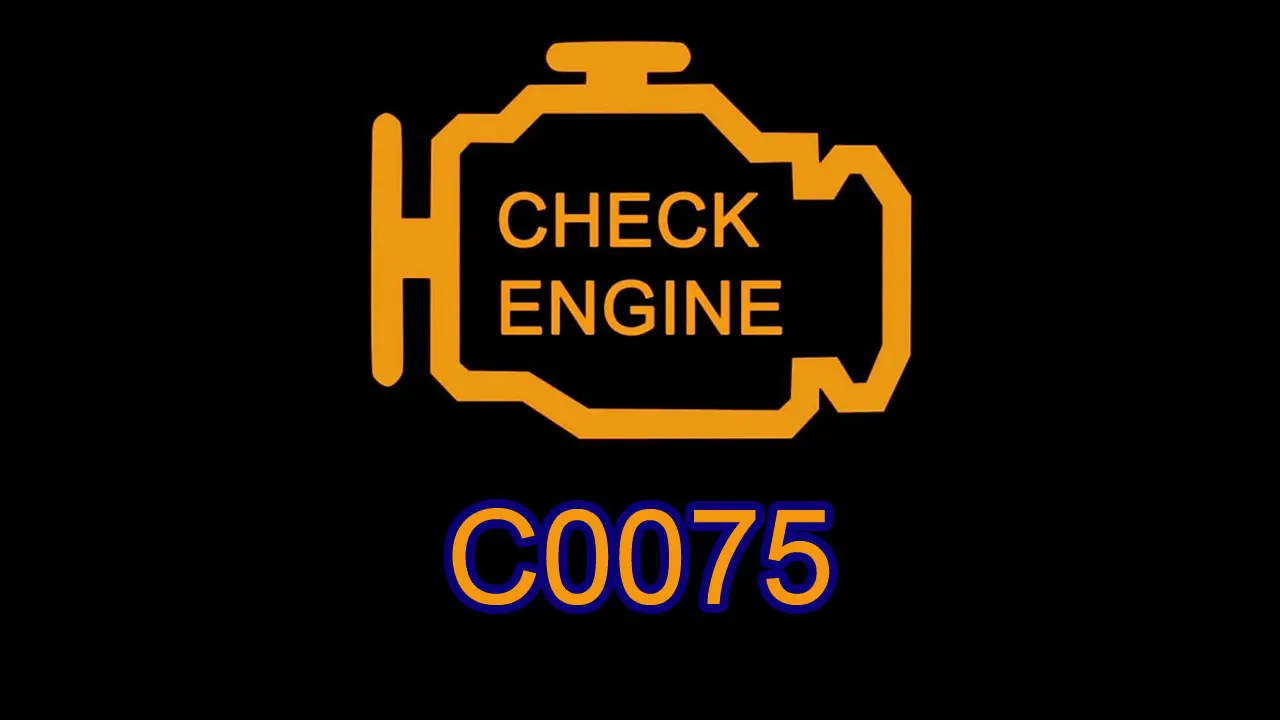
C0075 Right Front ABS Solenoid 2 Circuit Malfunction
C0075 Right Front ABS Solenoid 2 Circuit Malfunction is a diagnostic trouble code that indicates the vehicle's ABS (Anti-lock Braking System) control module has detected an electrical or operational problem in the right front ABS solenoid 2 circuit.
The ABS hydraulic control unit contains multiple solenoids that regulate brake fluid pressure at each wheel during ABS operation. These solenoids rapidly increase, hold, or decrease brake pressure to prevent wheel lock and help the driver maintain steering control during hard braking.
When the ABS control module detects that the right front ABS solenoid 2 circuit is not operating within the expected electrical or functional range, it stores the C0075 fault code and usually illuminates the ABS warning light.
This fault is commonly caused by a faulty ABS solenoid, damaged wiring, connector corrosion, ABS hydraulic control unit failure, brake fluid contamination, or electrical circuit problems.
What Does C0075 Right Front ABS Solenoid 2 Circuit Malfunction Mean?
The ABS system controls brake pressure independently at each wheel.
Inside the ABS hydraulic control unit are electronically controlled solenoid valves that manage brake fluid flow.
Depending on the vehicle design, solenoid 2 may function as either:
-
An outlet valve that reduces brake pressure during ABS activation.
-
A secondary hydraulic control valve used during brake pressure modulation.
The ABS control module continuously monitors:
-
Solenoid voltage
-
Circuit resistance
-
Current flow
-
Solenoid activation response
If the circuit behaves abnormally or the solenoid does not respond correctly, the module stores C0075.
Possible causes include:
-
Open circuit
-
Short circuit
-
High resistance
-
Internal solenoid failure
-
Hydraulic control unit malfunction
What Does an ABS Solenoid Do?
ABS solenoids are electronically controlled hydraulic valves that regulate brake pressure during emergency braking.
During ABS operation:
-
Wheel speed sensors detect rapid wheel deceleration.
-
The ABS module identifies impending wheel lock.
-
The hydraulic control unit activates the appropriate solenoids.
-
Brake pressure is rapidly adjusted several times per second.
-
Tire traction is maintained while braking.
Without properly functioning ABS solenoids, the system cannot effectively prevent wheel lock.
Symptoms of C0075
Symptoms vary depending on the severity of the fault.
ABS Warning Light
The ABS warning light is the most common symptom.
Traction Control Warning
Since ABS components are shared with traction and stability systems, additional warnings may appear:
-
Traction control light
-
Stability control light
-
ESC warning light
ABS System Disabled
Normal braking usually remains available, but anti-lock braking is disabled.
Reduced Braking Stability
Possible symptoms include:
-
Increased wheel lock during hard braking
-
Reduced steering control while braking
-
Reduced braking stability on slippery roads
Brake System Warning Messages
Some vehicles display messages such as:
-
ABS fault
-
Service ABS system
-
Stability control unavailable
No Noticeable Symptoms
In some cases, the only symptom is the illuminated warning light until emergency braking occurs.
Common Causes of C0075
Several electrical and hydraulic problems can trigger this fault.
Faulty Right Front ABS Solenoid
The solenoid may fail because of:
-
Internal electrical failure
-
Mechanical sticking
-
Valve wear
-
Brake fluid contamination
-
Internal corrosion
Damaged ABS Wiring
Electrical circuit problems may include:
-
Broken wires
-
Short circuits
-
Heat damage
-
Chafed insulation
Connector Problems
Electrical connectors may develop:
-
Corrosion
-
Loose terminals
-
Water intrusion
-
Bent pins
-
Poor electrical contact
ABS Hydraulic Control Unit Failure
The hydraulic unit may develop:
-
Internal valve damage
-
Electronic circuit failure
-
Hydraulic contamination
Brake Fluid Contamination
Old or contaminated brake fluid may affect hydraulic valve movement.
Possible contaminants include:
-
Moisture
-
Rust
-
Dirt
-
Internal deposits
Low Battery Voltage
Electronic braking systems require stable electrical power.
Possible causes include:
-
Weak battery
-
Alternator problems
-
Poor ground connections
-
Voltage fluctuations
How Is C0075 Diagnosed?
Proper diagnosis requires inspecting both the electrical circuit and the ABS hydraulic unit.
Scan the ABS Control Module
A professional diagnostic scanner should check:
-
ABS fault codes
-
Live ABS data
-
Solenoid activation status
-
Wheel speed sensor information
Related ABS codes may provide additional diagnostic clues.
Inspect Wiring
Technicians should inspect:
-
Circuit continuity
-
Wiring resistance
-
Physical wire damage
-
Short circuits
Inspect Connectors
Electrical connectors should be checked for:
-
Corrosion
-
Water damage
-
Loose terminals
-
Bent pins
Test ABS Solenoid
Using a diagnostic scan tool, technicians may activate the right front ABS solenoid to verify proper operation.
Inspect the Hydraulic Control Unit
If electrical tests are normal, the hydraulic control unit may require additional testing.
How Is C0075 Fixed?
The repair depends on the actual cause.
Replace the Faulty ABS Solenoid
If the right front ABS solenoid has failed, repair or replacement of the ABS hydraulic control unit may be required depending on the vehicle design.
Repair Wiring Problems
Possible repairs include:
-
Repair damaged wires
-
Replace damaged wiring
-
Restore insulation
Repair Connector Problems
Repairs may include:
-
Cleaning corrosion
-
Repairing terminals
-
Replacing damaged connectors
Replace ABS Hydraulic Control Unit
If internal hydraulic valves or electronics have failed, replacement may be necessary.
Flush and Replace Brake Fluid
If brake fluid contamination has affected ABS operation, technicians may perform:
-
Brake fluid replacement
-
Complete hydraulic system bleeding
Repair Electrical Supply Problems
Battery, charging system, and grounding faults should be corrected.
After repairs:
-
Clear diagnostic trouble codes.
-
Verify ABS solenoid operation.
-
Test ABS functionality.
-
Perform a road test.
-
Confirm that C0075 does not return.
Can You Drive With C0075?
The vehicle may still be driven, but the ABS system may not function correctly.
Possible risks include:
-
Increased wheel lock during emergency braking
-
Reduced steering control while braking
-
Reduced traction control performance
-
Reduced stability control assistance
Extra caution is recommended during:
-
Wet roads
-
Snow
-
Ice
-
Emergency braking situations
Is C0075 a Serious Code?
C0075 is generally considered a moderate to serious brake system fault.
The standard hydraulic braking system usually remains operational, but the ABS safety function may be unavailable.
Because ABS significantly improves vehicle control during emergency braking, this fault should be diagnosed and repaired promptly.
How to Prevent C0075
Regular brake system maintenance can reduce the likelihood of ABS solenoid problems.
Replace Brake Fluid at Recommended Intervals
Fresh brake fluid helps prevent:
-
Internal corrosion
-
Valve sticking
-
Hydraulic contamination
Inspect ABS Wiring
Regularly inspect:
-
Wiring
-
Connectors
-
Harness routing
Maintain Battery and Charging System
Stable electrical voltage helps ABS electronics operate correctly.
Repair Warning Lights Early
Address ABS or stability control warning lights before additional faults develop.
Final Thoughts
C0075 Right Front ABS Solenoid 2 Circuit Malfunction indicates that the ABS control module has detected an electrical or operational problem affecting the right front ABS solenoid 2 circuit.
The most common causes include:
-
Faulty ABS solenoid
-
Damaged wiring
-
Connector corrosion
-
ABS hydraulic control unit failure
-
Brake fluid contamination
-
Electrical voltage problems
A complete inspection of the ABS hydraulic unit, solenoid circuit, wiring, connectors, brake fluid, and electrical system is necessary to restore proper ABS operation and maintain safe braking performance.