TR
TR EN
EN

12 Driving Habits That Shorten Your Car's Lifespan
Buying a car is a major investment—but keeping it running reliably for many years requires good driving habits. Interestingly, most vehicles don't wear out prematurely because of manufacturing defects. Instead, they suffer from everyday driving mistakes that owners often don't even realize they're making.
In this article, we'll look at 12 common driving habits that can significantly shorten your vehicle's lifespan—and explain how to avoid them.
1. Pushing a Cold Engine Too Hard
One of the most damaging habits is accelerating aggressively immediately after starting the engine.
Why is it harmful?
-
Engine oil hasn't fully circulated yet.
-
Critical components aren't properly lubricated.
-
Metal parts experience increased friction and wear.
This is especially important during cold weather.
Best practice: Drive gently for the first few minutes and keep engine RPMs low until the engine reaches operating temperature.
2. Delaying Oil Changes
Engine oil is the lifeblood of your vehicle. Ignoring scheduled oil changes can lead to serious engine damage.
Possible consequences include:
-
Sludge buildup inside the engine
-
Increased friction
-
Accelerated engine wear
-
Reduced engine lifespan
Thinking, "It can go a little longer," is often one of the most expensive mistakes a driver can make.
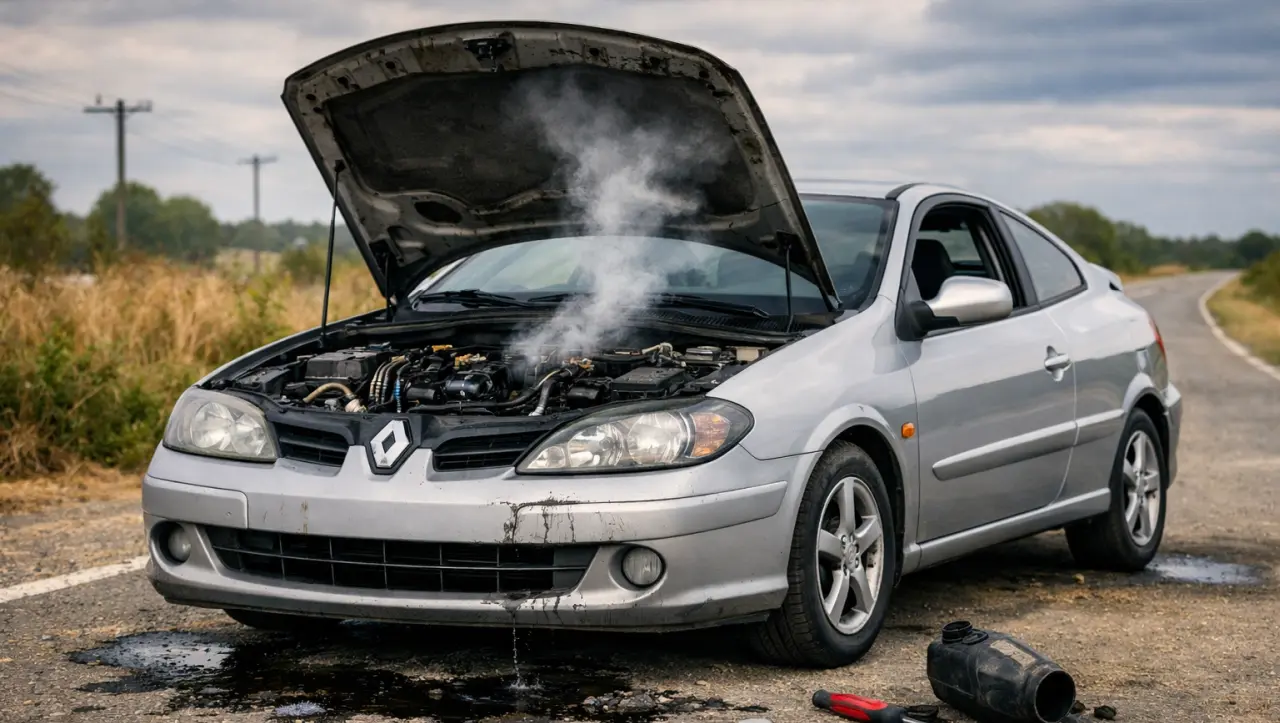
3. Ignoring an Overheating Engine
Continuing to drive with an overheating engine can cause catastrophic damage.
Potential problems include:
-
Blown head gasket
-
Warped cylinder head
-
Engine block damage
-
Extremely costly repairs
If your engine overheats, stop driving as soon as it is safe to do so.
4. Braking Aggressively All the Time
Aggressive driving doesn't just increase fuel consumption—it also wears out mechanical components much faster.
Frequent hard braking can cause:
-
Rapid brake pad wear
-
Damaged brake discs
-
Increased suspension stress
Over time, this affects both safety and maintenance costs.
5. Misusing the Gearbox and Clutch
Drivers of manual-transmission vehicles commonly develop habits that shorten clutch life.
Common mistakes include:
-
Resting your foot on the clutch pedal
-
Riding the clutch
-
Shifting gears at inappropriate engine speeds
These habits can:
-
Burn out the clutch
-
Damage transmission components
-
Increase repair costs
6. Driving with Incorrect Tire Pressure
Many drivers overlook tire pressure, but it has a major impact on vehicle longevity.
Low tire pressure can cause:
-
Increased rolling resistance
-
Faster tire wear
-
Higher fuel consumption
Overinflated tires can lead to:
-
Reduced grip
-
Uneven tire wear
-
Less comfortable handling
Maintaining the correct tire pressure improves both safety and vehicle durability.
7. Using Poor-Quality Fuel
Choosing low-quality fuel may save money initially, but it can create expensive problems later.
Possible effects include:
-
Clogged fuel injectors
-
Reduced engine performance
-
Fuel system damage
-
Increased emissions
Using high-quality fuel helps protect the engine over the long term.
8. Neglecting Vehicle Cleaning
Keeping your car clean isn't just about appearance—it's also about protection.
A neglected vehicle may experience:
-
Paint deterioration
-
Interior wear
-
Rust development
-
Corrosion caused by dirt, road salt, and moisture
Regular washing and detailing help preserve your vehicle's condition.
9. Putting Excessive Strain on the Battery
Frequent short trips and unnecessary electrical use can reduce battery life.
Common causes include:
-
Driving only short distances
-
Leaving lights on
-
Running accessories with the engine off
A weak battery can lead to inconvenient and unexpected breakdowns.
10. Hitting Speed Bumps and Potholes Too Fast
Road conditions directly affect your vehicle's suspension.
Driving too quickly over potholes or speed bumps can damage:
-
Shock absorbers
-
Suspension components
-
Steering alignment
-
Wheels and tires
Slowing down over rough roads can prevent expensive repairs.
11. Ignoring Unusual Noises
Your vehicle often gives early warning signs before a major failure occurs.
Don't ignore sounds like:
-
Knocking
-
Grinding
-
Whining
-
Squeaking
-
Rattling
Addressing small issues early is almost always far less expensive than repairing major failures later.
12. Overloading Your Vehicle
Constantly carrying excessive weight places unnecessary stress on your car.
Overloading can increase wear on:
-
The engine
-
The transmission
-
The braking system
-
The suspension
Every vehicle has a maximum payload rating, and exceeding it regularly can significantly shorten its lifespan.
How to Make Your Car Last Longer
Protecting your vehicle doesn't require complicated maintenance—just good habits.
Simple practices include:
-
Warm up the engine by driving gently.
-
Change engine oil on schedule.
-
Pay attention to warning lights and unusual noises.
-
Maintain proper tire pressure.
-
Use quality fuel.
-
Avoid aggressive driving.
-
Keep your vehicle clean.
-
Follow the manufacturer's maintenance schedule.
Small improvements in daily driving can dramatically extend your vehicle's life.
Final Thoughts
A vehicle's lifespan depends on far more than its make or model. In many cases, the biggest factor is how it's driven and maintained.
Minor mistakes repeated over thousands of miles eventually become major mechanical problems. Fortunately, most of these habits are easy to change.
Remember: The way you drive today determines how long your car will serve you tomorrow.