TR
TR EN
EN

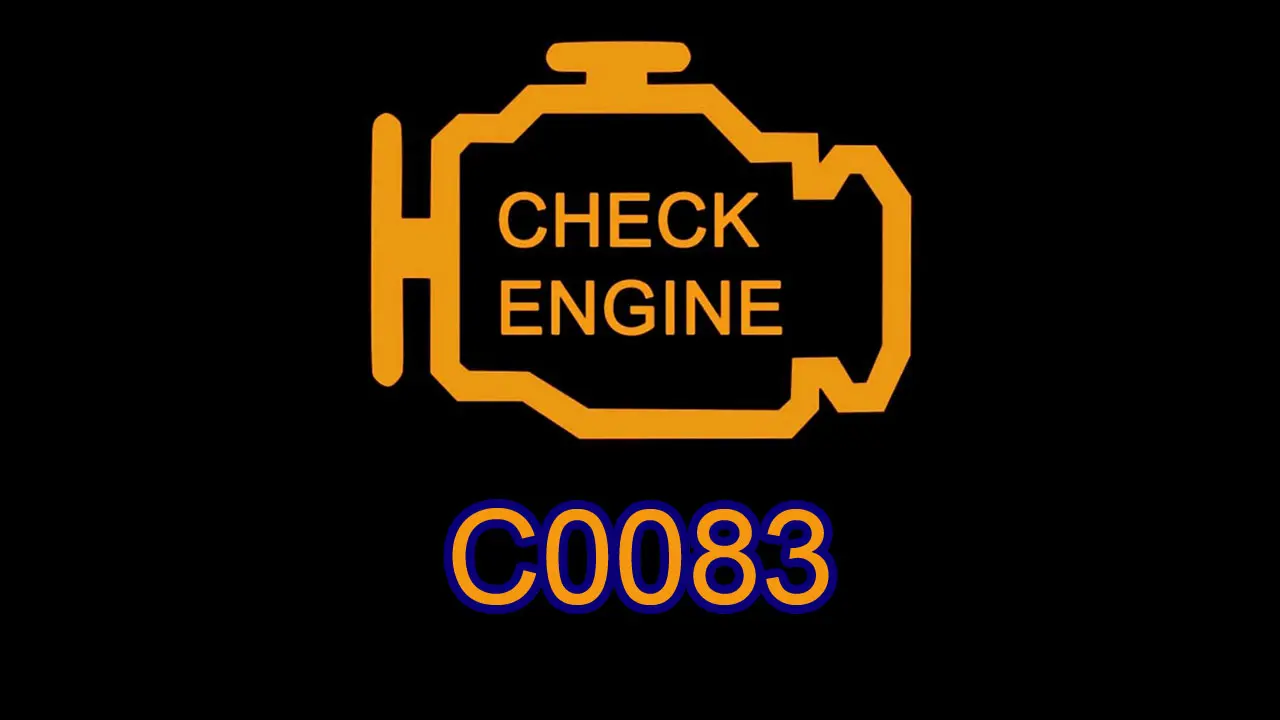
C0083 Tire Pressure Monitor Malfunction Indicator (Subfault)
C0083 Tire Pressure Monitor Malfunction Indicator (Subfault) is a diagnostic trouble code that indicates the vehicle's Tire Pressure Monitoring System (TPMS) has detected a secondary fault related to the tire pressure warning indicator system.
The TPMS is designed to monitor tire pressure using sensors located inside the wheels or through indirect monitoring systems that use wheel speed information. When tire pressure becomes too low or the monitoring system detects a problem, the TPMS warning indicator alerts the driver.
When the control module detects an abnormal condition with the TPMS malfunction indicator circuit, warning light operation, or communication signal, it stores the C0083 fault code.
This fault is commonly related to TPMS indicator circuit problems, instrument cluster faults, wiring issues, communication errors, damaged connectors, or TPMS control module problems.
What Does C0083 Tire Pressure Monitor Malfunction Indicator Mean?
The Tire Pressure Monitoring System continuously checks tire pressure status and informs the driver about possible tire-related problems.
The system monitors:
-
Tire pressure sensor signals
-
Sensor battery condition
-
Tire pressure data
-
TPMS module communication
-
Warning indicator operation
The TPMS warning indicator has two main functions:
-
Warn the driver about low tire pressure.
-
Indicate when the TPMS system itself has a malfunction.
A subfault means that the main TPMS system has detected an additional problem within the warning indicator or reporting circuit.
Possible causes include:
-
Faulty TPMS indicator circuit
-
Instrument cluster problem
-
Communication failure
-
Wiring damage
-
TPMS module malfunction
What Is the Tire Pressure Monitor System?
The TPMS is a safety system designed to warn the driver when tire pressure is outside the recommended range.
Correct tire pressure is important for:
-
Driving safety
-
Tire lifespan
-
Fuel efficiency
-
Vehicle handling
Depending on vehicle design, TPMS systems operate in two ways:
Direct TPMS
Direct systems use pressure sensors installed inside each wheel.
These sensors measure:
-
Actual tire pressure
-
Temperature
-
Sensor battery condition
Indirect TPMS
Indirect systems use ABS wheel speed sensors to detect differences in tire rotation caused by pressure changes.
Both systems use warning indicators to inform the driver about tire pressure conditions.
Symptoms of C0083
Symptoms may vary depending on the vehicle and the cause of the fault.
TPMS Warning Light
The most common symptom is the tire pressure warning light appearing on the dashboard.
Possible conditions include:
-
Warning light stays on
-
Warning light flashes
-
Indicator does not operate correctly
Incorrect Tire Pressure Warnings
The driver may experience:
-
False low-pressure warnings
-
Missing tire pressure warnings
-
Incorrect system status messages
TPMS System Unavailable
The vehicle may display messages such as:
-
Tire pressure monitoring system fault
-
Service TPMS
-
Tire pressure system unavailable
Other Dashboard Warnings
Depending on the vehicle, additional warnings may appear due to communication problems between modules.
No Noticeable Driving Problems
In many cases, the vehicle drives normally because the fault affects the warning system rather than tire operation itself.
Common Causes of C0083
Several electrical and system-related problems can trigger this fault.
Faulty TPMS Malfunction Indicator Circuit
The indicator circuit may develop problems such as:
-
Open circuit
-
Short circuit
-
Incorrect signal
-
High resistance
Instrument Cluster Problems
The dashboard display module may have faults affecting the TPMS warning light.
Possible issues include:
-
Internal electronic failure
-
Software problems
-
Communication errors
Damaged Wiring
The wiring between TPMS components and control modules may be damaged.
Possible wiring problems include:
-
Broken wires
-
Damaged insulation
-
Short circuits
-
Heat damage
Connector Problems
Electrical connectors may interrupt TPMS indicator operation.
Possible causes include:
-
Corrosion
-
Loose terminals
-
Water intrusion
-
Bent pins
-
Poor electrical contact
TPMS Control Module Problems
The TPMS module may experience:
-
Internal electronic failure
-
Communication problems
-
Incorrect signal processing
CAN Communication Problems
Modern vehicles use CAN communication between electronic modules.
Communication issues may affect TPMS warning indicator operation.
Possible causes include:
-
Damaged CAN wiring
-
Network interruptions
-
Communication faults
Low Battery Voltage
Electronic systems require stable voltage.
Possible causes include:
-
Weak battery
-
Charging system problems
-
Poor grounding
-
Voltage fluctuations
How Is C0083 Diagnosed?
Proper diagnosis requires checking the TPMS system, indicator circuit, and communication network.
Scan Vehicle Control Modules
A professional diagnostic scanner should check:
-
TPMS module
-
Body control module
-
Instrument cluster module
-
ABS module (for indirect TPMS systems)
Additional fault codes can help identify the problem.
Check TPMS Indicator Operation
Technicians verify:
-
Warning light operation
-
Indicator commands
-
System status signals
Inspect Wiring and Connectors
Electrical checks should include:
-
Circuit continuity
-
Connector condition
-
Corrosion inspection
-
Power and ground testing
Test TPMS Sensors
For vehicles with direct TPMS, technicians may inspect:
-
Sensor communication
-
Sensor battery status
-
Pressure readings
Check CAN Communication
The communication network should be tested for:
-
Module communication errors
-
Network interruptions
-
Signal problems
How Is C0083 Fixed?
The repair depends on the actual cause of the fault.
Repair TPMS Indicator Wiring
Possible repairs include:
-
Repair damaged wires
-
Replace damaged wiring sections
-
Restore proper insulation
Repair Connector Problems
Repairs may include:
-
Cleaning corrosion
-
Repairing terminals
-
Replacing damaged connectors
Repair or Replace Instrument Cluster
If the dashboard warning indicator system is faulty, repair or replacement may be required.
Repair TPMS Module Problems
A faulty TPMS control module may require:
-
Software update
-
Reprogramming
-
Replacement
Replace Faulty TPMS Sensors
If sensor communication problems are found, affected sensors may need replacement.
Repair Electrical Supply Problems
Battery, alternator, and grounding issues should be corrected.
After repairs:
-
Clear fault codes.
-
Verify TPMS warning indicator operation.
-
Check tire pressure sensor communication.
-
Perform TPMS relearn procedure if required.
-
Confirm that C0083 does not return.
Can You Drive With C0083?
The vehicle may still be driven, but the TPMS warning system may not provide accurate information.
Possible risks include:
-
Driving with underinflated tires without warning
-
Increased tire wear
-
Reduced fuel efficiency
-
Reduced handling performance
Drivers should manually check tire pressures until the TPMS system is repaired.
Is C0083 a Serious Code?
C0083 is generally considered a moderate safety-related fault.
The vehicle may operate normally, but the driver may lose an important warning system designed to detect unsafe tire pressure conditions.
Because incorrect tire pressure can affect braking, handling, and tire safety, the fault should be diagnosed and repaired.
How to Prevent C0083
Regular maintenance can help prevent TPMS indicator problems.
Check Tire Pressure Regularly
Even with TPMS, manual tire pressure checks are recommended.
Maintain Battery and Charging System
Stable electrical voltage helps TPMS modules operate correctly.
Protect Electrical Connections
Prevent:
-
Water intrusion
-
Corrosion
-
Connector damage
Service TPMS During Tire Work
When changing tires:
-
Avoid damaging sensors
-
Check sensor condition
-
Perform relearn procedures when required
Repair Warning Lights Early
Early diagnosis can prevent larger electronic system problems.
Final Thoughts
C0083 Tire Pressure Monitor Malfunction Indicator (Subfault) indicates that the vehicle has detected a problem related to the TPMS warning indicator system.
The most common causes include:
-
Faulty TPMS indicator circuit
-
Instrument cluster problems
-
Damaged wiring
-
Connector issues
-
TPMS module faults
-
CAN communication problems
-
Electrical voltage issues
A complete inspection of the TPMS system, warning indicator circuit, instrument cluster, wiring, connectors, and communication network is required to restore accurate tire pressure monitoring operation.