TR
TR EN
EN

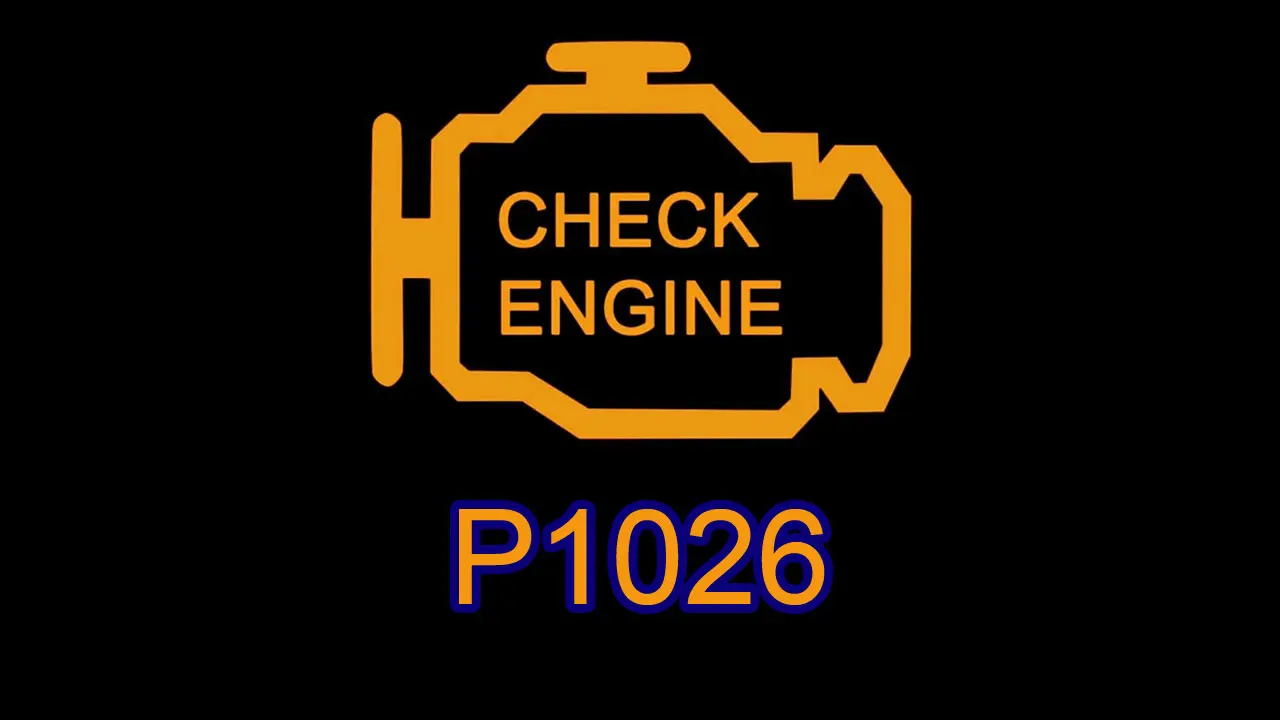
P1026 Intake Manifold Air Control Solenoid Short to Positive
P1026 Intake Manifold Air Control Solenoid Short to Positive is a diagnostic trouble code that indicates the Engine Control Module (ECM) has detected an unwanted connection between the intake manifold air control solenoid circuit and a positive voltage source (battery voltage).
The intake manifold air control solenoid is responsible for controlling airflow management components inside the intake system. It helps adjust intake airflow according to engine speed, load, and operating conditions.
When the ECM detects that the solenoid control circuit is receiving battery voltage when it should not, it stores the P1026 fault code and may activate the Check Engine Light.
This fault is usually caused by electrical problems such as damaged wiring, a faulty solenoid, connector issues, or an ECM driver circuit failure.
What Does P1026 Intake Manifold Air Control Solenoid Short to Positive Mean?
Modern engines use electronically controlled intake manifold air control systems to improve airflow efficiency and combustion quality.
The system typically includes:
-
Intake manifold air control solenoid valve
-
Intake flap or runner control mechanism
-
Electrical actuator system
-
Wiring harness
-
ECM control circuit
The ECM controls the solenoid by switching the electrical circuit on and off. This allows the intake system to change airflow characteristics according to engine conditions.
The term "Short to Positive" means that the control circuit has an unintended connection to battery voltage.
Normally, the ECM controls the solenoid signal. However, if the wire is damaged and contacts a positive power supply, the ECM detects an abnormal voltage condition.
Possible causes include:
-
Control wire shorted to battery voltage
-
Damaged wiring insulation
-
Internal solenoid short circuit
-
Incorrect electrical repairs
-
Connector problems
-
ECM driver circuit failure
What Does the Intake Manifold Air Control Solenoid Do?
The intake manifold air control solenoid regulates airflow control components inside the intake manifold.
Depending on engine design, it may operate:
-
Intake manifold runner valves
-
Air control flaps
-
Swirl control systems
-
Vacuum-operated intake mechanisms
The system helps improve:
-
Low-speed engine torque
-
Airflow efficiency
-
Fuel economy
-
Combustion quality
-
Emission control
When the solenoid cannot be controlled correctly, the intake system may remain in an incorrect position.
Symptoms of P1026
Symptoms may vary depending on the vehicle and the severity of the electrical fault.
Check Engine Light
The most common symptom is the Check Engine Light being activated after the ECM detects the electrical problem.
Reduced Engine Performance
Possible symptoms include:
-
Loss of power
-
Poor acceleration
-
Delayed throttle response
-
Engine hesitation
Rough Engine Operation
Incorrect intake airflow control may cause:
-
Unstable idle
-
Engine vibration
-
Poor combustion quality
Poor Fuel Economy
The engine may consume more fuel because airflow control is not operating correctly.
Increased Emissions
A faulty intake system can contribute to:
-
Poor combustion efficiency
-
Increased exhaust emissions
Limp Mode
Some vehicles may enter a reduced power mode to protect engine operation.
Common Causes of P1026
Several electrical problems can cause a short-to-positive condition in the intake manifold air control solenoid circuit.
Damaged Wiring Harness
A damaged wire is one of the most common causes.
Possible wiring problems:
-
Insulation damage
-
Wire rubbing against other components
-
Melted wiring near hot engine areas
-
Incorrect previous repairs
If the control wire contacts a battery voltage wire, the ECM detects a short to positive.
Faulty Intake Manifold Air Control Solenoid
The solenoid itself may develop an internal electrical fault.
Possible failures:
-
Internal coil damage
-
Shorted winding
-
Electrical component failure
-
Overheating damage
A defective solenoid can cause abnormal voltage readings in the circuit.
Electrical Connector Problems
Connector issues can affect solenoid circuit operation.
Common problems:
-
Corroded terminals
-
Loose connections
-
Damaged connector pins
-
Water contamination
-
Oil contamination
Incorrect Wiring Repairs
Previous repairs may create unwanted electrical connections.
Possible causes:
-
Incorrect wire connections
-
Poor insulation
-
Incorrect aftermarket modifications
Power Supply Circuit Problems
A damaged power supply wire may contact the solenoid control circuit.
Possible causes:
-
Harness damage
-
Chafed wiring
-
Poor routing
ECM Driver Circuit Failure
The ECM controls the solenoid using an internal electronic driver.
Although uncommon, the ECM may have:
-
Internal circuit damage
-
Driver transistor failure
-
Electrical malfunction
How Is P1026 Diagnosed?
Proper diagnosis requires testing the complete intake manifold air control solenoid circuit.
Check for Additional Fault Codes
A diagnostic scan should check related codes involving:
-
Intake manifold control
-
Airflow systems
-
Vacuum control systems
-
Engine electronics
Additional fault codes may help identify the problem.
Inspect the Solenoid Valve
The intake manifold air control solenoid should be checked for:
-
Physical damage
-
Correct installation
-
Electrical condition
-
Mechanical operation
Inspect Wiring and Connectors
The circuit should be inspected for:
-
Short to battery voltage
-
Damaged insulation
-
Melted wires
-
Corrosion
-
Loose connections
Special attention should be given to wiring near:
-
Exhaust components
-
Engine brackets
-
Moving parts
Test Solenoid Resistance
The solenoid coil resistance should be measured.
Incorrect resistance may indicate:
-
Internal short circuit
-
Damaged coil
-
Faulty solenoid
Check Circuit Voltage
Technicians should verify:
-
Control circuit voltage
-
Battery voltage presence
-
ECM switching operation
-
Circuit continuity
A constant battery voltage on the control circuit may confirm a short-to-positive condition.
Perform Actuator Testing
A professional scan tool can command the solenoid on and off to verify:
-
Electrical response
-
Mechanical operation
-
ECM control
How Is P1026 Fixed?
The repair depends on the cause of the short-to-positive condition.
Replace the Intake Manifold Air Control Solenoid
If the solenoid has an internal electrical failure, replacement may be required.
Repair Damaged Wiring
Possible repairs:
-
Repair shorted wires
-
Replace damaged wiring sections
-
Restore insulation
-
Secure wiring away from heat sources
Repair Electrical Connectors
Possible repairs:
-
Clean corrosion
-
Repair connector pins
-
Replace damaged connectors
-
Ensure proper electrical contact
Correct Wiring Routing Problems
If wiring is contacting power sources, the harness routing should be corrected.
Repair or Replace ECM
If the ECM driver circuit is damaged, ECM repair or replacement may be necessary.
After repairs:
-
Clear the fault code.
-
Activate the intake manifold control system.
-
Monitor solenoid operation.
-
Perform a test drive.
-
Confirm that the fault does not return.
Can You Drive With P1026?
A vehicle with P1026 may continue operating, but the fault should be repaired.
Possible consequences include:
-
Reduced engine efficiency
-
Poor acceleration
-
Increased fuel consumption
-
Higher emissions
-
Additional electrical faults
The vehicle may appear normal while the intake airflow system is not functioning correctly.
Is P1026 a Serious Code?
P1026 is generally considered a moderate engine control fault.
Although the engine may continue running, incorrect intake manifold control can affect:
-
Engine performance
-
Fuel economy
-
Combustion quality
-
Emission control
Ignoring the fault may lead to further electrical problems, especially if wiring damage is present.
How to Prevent P1026
Regular inspection and maintenance can help prevent intake manifold solenoid circuit faults.
Inspect Engine Wiring Regularly
Check wiring for:
-
Heat damage
-
Wear
-
Broken insulation
-
Contact with metal parts
Protect Electrical Connectors
Keep connectors protected from:
-
Moisture
-
Dirt
-
Oil contamination
-
Corrosion
Maintain Intake System Components
Address problems such as:
-
Carbon buildup
-
Vacuum leaks
-
Intake flap issues
Repair Electrical Problems Early
Early diagnosis can prevent damage to solenoids and engine control modules.
Final Thoughts
P1026 Intake Manifold Air Control Solenoid Short to Positive indicates that the ECM has detected an unwanted battery voltage connection in the intake manifold air control solenoid circuit.
The most common causes include:
-
Damaged wiring
-
Faulty solenoid valve
-
Connector problems
-
Short circuit to battery voltage
-
ECM driver failure
A complete inspection of the intake manifold air control solenoid, wiring harness, connectors, and ECM control circuit is required to restore proper intake airflow management and engine operation.