TR
TR EN
EN

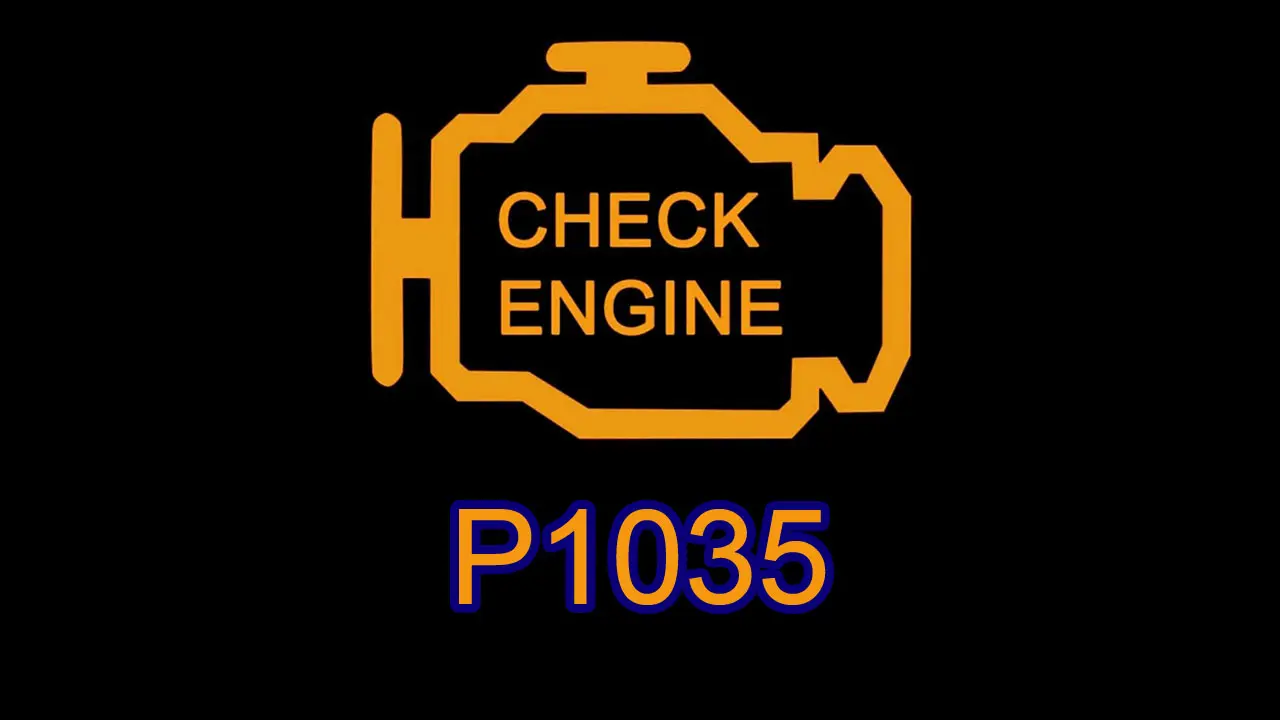
P1035 Cylinder 1 Oil Supply Solenoid Valve Driver Open Circuit
P1035 Cylinder 1 Oil Supply Solenoid Valve Driver Open Circuit is a diagnostic trouble code that indicates the Engine Control Module (ECM) has detected an open circuit condition in the driver circuit controlling the Cylinder 1 oil supply solenoid valve.
The oil supply solenoid valve controls the flow of engine oil to specific engine components, especially in engines equipped with variable valve timing (VVT), variable valve lift systems, or cylinder-specific hydraulic control systems.
When the ECM detects that the electrical circuit controlling the Cylinder 1 oil supply solenoid valve is interrupted and current cannot flow correctly, it stores the P1035 fault code and may activate the Check Engine Light.
This fault is generally related to electrical problems involving the solenoid valve, wiring harness, connectors, fuse supply, or ECM control circuit.
What Does P1035 Cylinder 1 Oil Supply Solenoid Valve Driver Open Circuit Mean?
Modern engines use electronically controlled oil supply solenoid valves to regulate oil pressure and oil flow for precise engine operation.
The ECM controls these solenoid valves through dedicated driver circuits. By switching the solenoid on and off, the ECM manages oil pressure supplied to hydraulic engine control components.
The term "Open Circuit" means that the electrical path is interrupted. The ECM cannot complete the circuit and cannot properly control the solenoid valve.
Possible causes include:
-
Broken solenoid wiring
-
Disconnected electrical connector
-
Faulty oil supply solenoid valve
-
Blown fuse
-
Damaged ECM driver circuit
-
Corrosion inside connectors
Cylinder 1 Explained
Cylinder 1 refers to the first cylinder in the engine firing order. The ECM monitors the oil supply solenoid valve associated with this cylinder separately.
What Does the Cylinder 1 Oil Supply Solenoid Valve Do?
The oil supply solenoid valve controls engine oil flow to systems that require hydraulic pressure.
Depending on the engine design, it may control:
-
Variable valve timing operation
-
Variable valve lift systems
-
Hydraulic actuators
-
Cylinder-specific oil pressure management
Correct oil control helps maintain:
-
Accurate valve timing
-
Smooth engine operation
-
Better fuel efficiency
-
Lower emissions
-
Proper engine performance
If the solenoid valve cannot operate because of an open circuit, the engine control system may not adjust correctly.
Symptoms of P1035
Symptoms may vary depending on the engine system controlled by the oil supply solenoid valve.
Check Engine Light
The most common symptom is the Check Engine Light turning on after the ECM detects the open circuit condition.
Rough engine operation
Possible symptoms include:
-
Uneven idle
-
Engine hesitation
-
Poor throttle response
-
Reduced smoothness
Reduced engine performance
The vehicle may experience:
-
Loss of power
-
Slower acceleration
-
Poor engine response
Variable valve timing problems
If the solenoid controls VVT operation, possible symptoms include:
-
Incorrect valve timing adjustment
-
Delayed engine response
-
Reduced efficiency
Increased fuel consumption
Incorrect oil control may prevent the engine from operating efficiently.
Engine protection mode
Some vehicles may activate a protective mode to prevent possible engine damage.
Common Causes of P1035
Several problems can cause an open circuit in the Cylinder 1 oil supply solenoid valve driver circuit.
Faulty Oil Supply Solenoid Valve
A damaged solenoid valve can create an internal open circuit.
Possible failures include:
-
Broken internal coil
-
Electrical component failure
-
Overheating damage
-
Internal mechanical failure
Broken Wiring Harness
The wiring between the ECM and solenoid valve may become damaged.
Possible wiring problems:
-
Broken wires
-
Melted insulation
-
Wire separation
-
Internal conductor damage
-
Physical damage from vibration
Electrical Connector Problems
A poor connection can interrupt the solenoid control circuit.
Common issues include:
-
Loose connectors
-
Corroded terminals
-
Damaged pins
-
Oil contamination
-
Moisture inside connectors
Blown Fuse
Some oil control solenoid circuits are protected by fuses.
A failed fuse can interrupt electrical supply and create an open circuit fault.
Possible causes:
-
Electrical short
-
Excessive current draw
-
Solenoid failure
Power Supply Problems
The solenoid requires proper electrical power to operate.
Possible issues:
-
Damaged power wire
-
Poor electrical connection
-
Voltage supply interruption
Ground Circuit Problems
A damaged ground path can prevent the solenoid from completing its electrical circuit.
Possible causes:
-
Corroded ground point
-
Broken ground wire
-
Poor electrical contact
Faulty ECM Driver Circuit
The ECM controls the solenoid through an internal electronic driver.
Although less common, the ECM may have:
-
Internal circuit damage
-
Driver failure
-
Electrical faults
How Is P1035 Diagnosed?
Proper diagnosis requires checking the entire oil supply solenoid valve control circuit.
Check for additional fault codes
A diagnostic scan should check related codes involving:
-
Oil control solenoids
-
Variable valve timing systems
-
Camshaft position sensors
-
Engine electrical circuits
Additional codes may provide important diagnostic information.
Inspect the Oil Supply Solenoid Valve
The Cylinder 1 oil supply solenoid valve should be checked for:
-
Physical damage
-
Oil leaks
-
Connector condition
-
Correct installation
Inspect Wiring and Connectors
The wiring harness should be inspected for:
-
Broken wires
-
Open circuits
-
Damaged insulation
-
Corrosion
-
Loose connections
Test Solenoid Resistance
Technicians should measure the solenoid valve coil resistance.
Incorrect resistance values may indicate:
-
Open coil
-
Internal electrical failure
-
Damaged solenoid
Check Circuit Continuity
The circuit should be tested for:
-
Electrical continuity
-
Proper voltage supply
-
Correct ECM control operation
Check Fuse and Power Supply
The electrical supply should be inspected for:
-
Blown fuses
-
Voltage loss
-
Damaged wiring
Test ECM Driver Operation
If the wiring and solenoid valve are working correctly, the ECM driver circuit may require testing.
How Is P1035 Fixed?
The repair depends on the actual cause of the open circuit condition.
Replace the Oil Supply Solenoid Valve
If the solenoid coil is damaged or internally open, replacement may be required.
Repair Damaged Wiring
Possible repairs include:
-
Repairing broken wires
-
Replacing damaged wiring sections
-
Restoring insulation
-
Securing wiring properly
Repair Electrical Connectors
Possible repairs:
-
Cleaning corrosion
-
Repairing connector pins
-
Replacing damaged connectors
-
Removing oil contamination
Replace Blown Fuses
If a fuse is damaged, the cause of the failure should be identified before replacement.
Repair Power or Ground Problems
Any electrical supply or grounding issue must be corrected.
Repair or Replace ECM
If the ECM driver circuit is faulty, ECM repair or replacement may be required.
After repairs:
-
Clear the fault code.
-
Start the engine.
-
Monitor oil solenoid operation.
-
Perform a test drive.
-
Confirm that the fault does not return.
Can You Drive With P1035?
Driving with P1035 may be possible, but the fault should be diagnosed quickly.
Possible consequences include:
-
Poor engine performance
-
Incorrect valve timing operation
-
Reduced fuel efficiency
-
Increased engine wear
-
Additional engine control faults
If the oil control system is not functioning correctly, long-term driving may affect engine operation.
Is P1035 a Serious Code?
P1035 can range from a moderate to serious engine control fault depending on the system controlled by the oil supply solenoid valve.
If the valve controls important hydraulic engine systems, the fault may cause:
-
Incorrect valve timing
-
Reduced performance
-
Increased mechanical stress
Ignoring the problem may lead to further engine control issues.
How to Prevent P1035
Regular maintenance can help prevent oil supply solenoid circuit problems.
Maintain Proper Engine Oil Quality
Use the correct engine oil specification and replace oil according to manufacturer recommendations.
Clean oil helps protect oil-controlled engine systems.
Inspect Engine Wiring
Check wiring near the engine for:
-
Heat damage
-
Wear
-
Oil contamination
-
Mechanical damage
Protect Electrical Connectors
Keep connectors protected from:
-
Oil leaks
-
Moisture
-
Corrosion
Repair Oil Leaks Quickly
Oil contamination can damage electrical connectors and wiring.
Address Warning Lights Early
Early diagnosis can prevent additional engine control problems.
Final Thoughts
P1035 Cylinder 1 Oil Supply Solenoid Valve Driver Open Circuit indicates that the ECM has detected an interruption in the electrical circuit controlling the Cylinder 1 oil supply solenoid valve.
The most common causes include:
-
Faulty oil supply solenoid valve
-
Broken wiring
-
Damaged connectors
-
Blown fuse
-
Power or ground problems
-
ECM driver circuit failure
A complete inspection of the solenoid valve, wiring harness, connectors, and ECM control circuit is required to restore proper oil control system operation.