TR
TR EN
EN

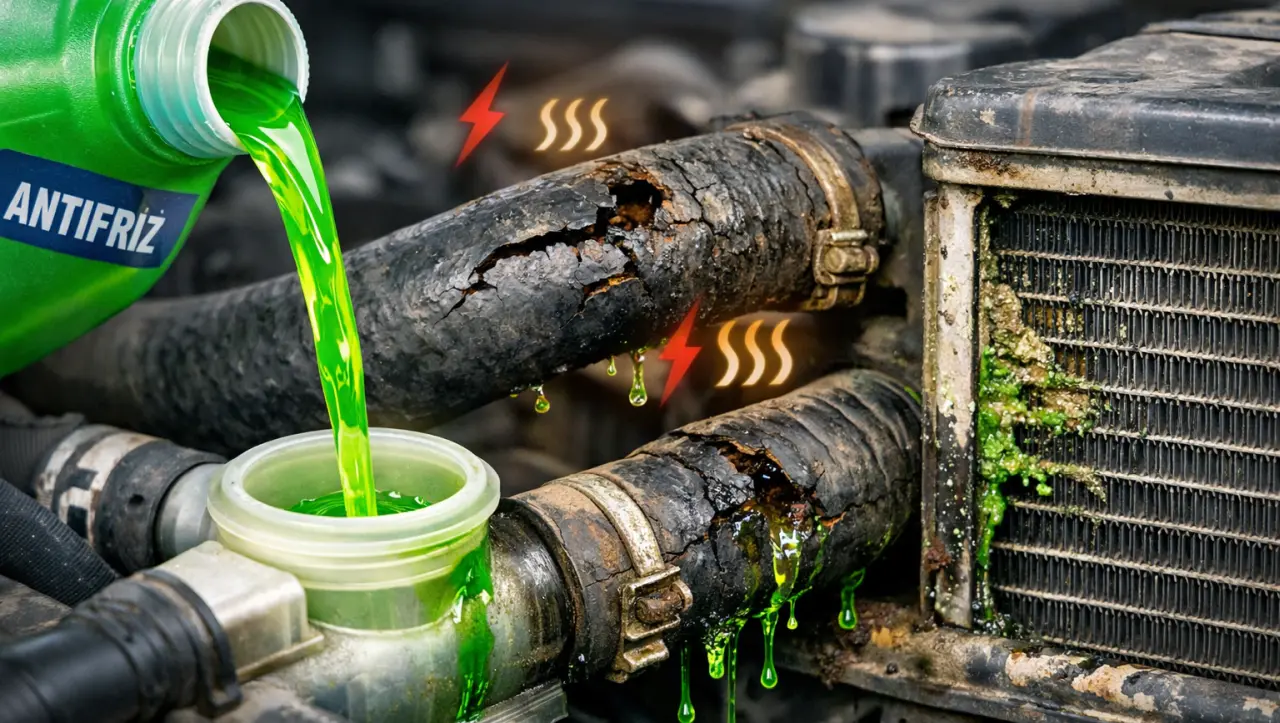
Does Antifreeze Damage Coolant Hoses? Can It Harm the Radiator?
Antifreeze is one of the most important fluids in a vehicle's cooling system. However, many drivers ask the same question: Can antifreeze rot coolant hoses or damage the radiator?
The short answer is: No, if it is the correct type and is used properly. However, using the wrong antifreeze or neglecting cooling system maintenance can indirectly cause serious damage.
What Does Antifreeze Do?
Antifreeze is a specially formulated coolant that is mixed with water and circulated through the engine's cooling system. Its main functions are to:
-
Prevent the coolant from freezing in cold weather.
-
Raise the boiling point of the coolant to reduce overheating.
-
Protect the cooling system from corrosion and rust.
-
Lubricate components such as the water pump.
-
Help maintain stable engine operating temperatures.
In other words, antifreeze is designed to protect the cooling system—not damage it.
Why Do People Think Antifreeze Damages Hoses?
Antifreeze itself does not cause hoses to deteriorate. Problems usually occur because of improper use or poor maintenance.
Using the Wrong Type of Antifreeze
Not all antifreeze products are the same. Vehicle manufacturers specify different coolant formulations, such as OAT, HOAT, or IAT.
Using an incompatible coolant may:
-
React with seals and gaskets.
-
Reduce the lifespan of rubber hoses.
-
Damage certain plastic cooling system components.
-
Cause sludge formation in some cooling systems.
Always use the coolant type recommended by your vehicle manufacturer.
Incorrect Mixing Ratio
A 50/50 mixture of antifreeze and distilled water is recommended for most passenger vehicles.
Using the wrong ratio can create problems:
-
Too much water increases the risk of corrosion and freezing.
-
Too much antifreeze reduces cooling efficiency and may increase system pressure under certain operating conditions.
Following the manufacturer's recommended mixture provides the best protection.
Old or Contaminated Antifreeze
Antifreeze does not last forever.
Over time, its corrosion inhibitors become depleted, allowing the coolant to become more chemically aggressive. As a result:
-
Internal metal components may begin to corrode.
-
Rust and deposits can form inside the cooling system.
-
Rubber hoses may harden and lose flexibility.
This deterioration is caused by expired coolant, not by fresh antifreeze.
Can Antifreeze Really Damage Coolant Hoses?
When the correct coolant is replaced at the recommended intervals, it does not damage coolant hoses.
However, problems may develop if:
-
The coolant has not been changed for five to seven years.
-
Low-quality or counterfeit antifreeze is used.
-
The cooling system already contains rust, contamination, or mineral deposits.
Under these conditions, hoses may:
-
Become hard and brittle.
-
Develop cracks.
-
Begin leaking coolant over time.
In many cases, aging rubber is the primary reason for hose failure rather than the antifreeze itself.
Can Antifreeze Damage the Radiator?
Fresh, high-quality antifreeze does not eat through or puncture a radiator.
However, poor coolant maintenance can indirectly lead to radiator damage.
Internal Corrosion
When corrosion inhibitors wear out, rust can develop inside the radiator.
Over time:
-
Metal walls become thinner.
-
Weak spots develop.
-
Coolant leaks may eventually appear.
Excessive Cooling System Pressure
Improper coolant mixtures or cooling system blockages can increase operating pressure.
If pressure becomes excessive, weak components may fail, leading to:
-
Cracked plastic radiator tanks.
-
Hose failures.
-
Coolant leaks.
Deposit and Sludge Formation
Old or contaminated coolant can leave deposits inside the radiator.
These deposits may:
-
Restrict coolant flow.
-
Reduce cooling efficiency.
-
Create localized hot spots that increase stress on cooling system components.
The Real Problem Is Poor Maintenance
In most cases, cooling system failures are not caused by antifreeze itself.
Instead, they result from:
-
Coolant that has not been replaced on schedule.
-
Using the wrong coolant specification.
-
Mixing incompatible coolant types.
-
Lack of routine cooling system maintenance.
Regular servicing greatly reduces the risk of cooling system failures.
How to Protect Your Cooling System
To maximize the life of your radiator and hoses:
-
Use the manufacturer-recommended antifreeze.
-
Replace the coolant every two to three years, or according to your vehicle's maintenance schedule.
-
Maintain the proper 50/50 coolant-to-distilled-water mixture unless otherwise specified.
-
Inspect hoses and the radiator regularly for leaks or deterioration.
-
Flush the cooling system whenever contaminated coolant or rust is present.
Routine maintenance is far less expensive than repairing an overheated engine.
A Common Misconception
Many people believe:
"Antifreeze damages the engine."
In reality:
Fresh, manufacturer-approved antifreeze protects the engine. Problems occur because of incorrect coolant selection, neglected maintenance, or expired coolant—not because antifreeze itself is harmful.
Conclusion
Antifreeze is one of the best ways to protect your engine and cooling system when used correctly.
However, neglecting coolant maintenance or using the wrong product can eventually lead to:
-
Cracked or hardened coolant hoses.
-
Radiator leaks caused by corrosion.
-
Cooling system failures.
-
Engine overheating and expensive repairs.
The key takeaway is simple: the problem is rarely the antifreeze itself—it's how the cooling system is maintained. Proper coolant selection and regular maintenance will keep your engine running at the correct temperature and help prevent costly repairs.