TR
TR EN
EN

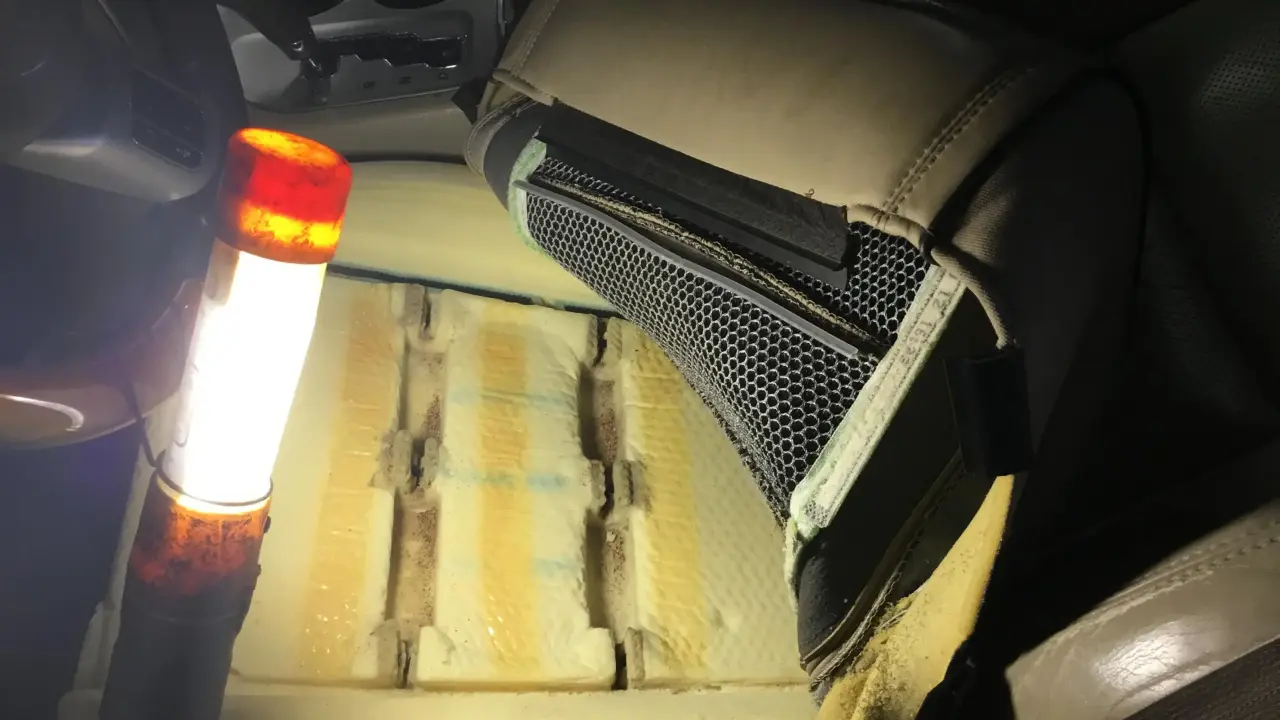
Heated Seat Problems: Common Causes, Diagnosis, and Repair Solutions
Heated seats have become a popular comfort feature in modern vehicles, especially in regions with cold winters. By using built-in heating elements, temperature sensors, electronic control modules, and electrical wiring, these systems provide warmth within minutes of activation. While heated seats are generally reliable, they can develop faults over time due to normal wear, electrical issues, manufacturing defects, or damaged components.
Understanding how a heated seat system works and knowing the common causes of failure can help you identify problems early and determine whether a simple repair or component replacement is needed.
How Does a Heated Seat System Work?
A heated seat system consists of several components that work together to provide controlled and consistent heat.
Heating Elements
Most modern heated seats use carbon fiber heating mats or thin resistance wires embedded beneath the seat upholstery. When electrical current passes through these elements, they generate heat that warms the seat cushion and backrest.
Carbon fiber heating elements are commonly used because they provide even heat distribution, consume relatively little power, and are more durable than older wire-based designs.
Seat Control Module
The heating system is managed by an electronic control module, which receives commands from the seat heater switch or the vehicle's infotainment system. Depending on the vehicle, drivers can usually select multiple heat levels, allowing the seat temperature to be adjusted for maximum comfort.
Temperature Sensors
Temperature sensors continuously monitor the seat's surface temperature and send feedback to the control module. This prevents overheating while maintaining the selected heat level throughout the drive.
Electrical Protection
The system also includes fuses, relays, and wiring designed to protect the electrical circuit from overloads and short circuits.
Common Causes of Heated Seat Failure
Several issues can prevent a heated seat from working correctly.
Damaged Wiring or Loose Electrical Connections
One of the most common causes is damaged wiring underneath the seat. Because the seat moves forward and backward frequently, wiring harnesses may become pinched, stretched, or disconnected over time.
Loose connectors, corrosion, or broken wires can interrupt power to the heating elements.
Blown Fuse or Faulty Relay
A blown fuse is often the simplest explanation when both heated seats suddenly stop working.
A defective relay may also prevent electrical current from reaching the seat heaters.
Failed Heating Element
Heating elements gradually deteriorate after years of repeated heating and cooling cycles.
The heating wire or carbon fiber mat may develop an internal break, causing part or all of the seat to stop heating.
Physical damage caused by heavy objects, improper upholstery repairs, or accidents can also damage the heating element.
Faulty Temperature Sensor
A malfunctioning temperature sensor may send incorrect readings to the control module.
As a result, the seat may:
-
Fail to heat at all.
-
Heat only briefly before switching off.
-
Become warmer than normal.
-
Maintain inconsistent temperatures.
Control Module Problems
The electronic control module itself may fail due to internal electrical faults, moisture intrusion, or software issues.
Some vehicles may require software updates if the manufacturer has released revised programming for the seat heating system.
Symptoms of a Faulty Heated Seat
Several warning signs indicate a problem with the heated seat system.
Common symptoms include:
-
Seat does not heat at all.
-
Only the seat cushion or backrest heats.
-
Seat heats unevenly.
-
Heat switches off after a few minutes.
-
Heating indicator light turns on but no heat is produced.
-
Fuse repeatedly blows.
-
Burning smell from the seat.
-
Seat becomes excessively hot.
Any burning odor or excessive heat should be investigated immediately, as it could indicate damaged wiring or overheating components.
How to Diagnose Heated Seat Problems
Proper diagnosis is essential before replacing expensive components.
Visual Inspection
Begin by checking the wiring underneath the seat.
Look for:
-
Loose connectors.
-
Broken wires.
-
Signs of corrosion.
-
Pinched or damaged wiring harnesses.
-
Burn marks around electrical connectors.
Also inspect the seat upholstery for signs of excessive wear or physical damage.
Electrical Testing
A digital multimeter can be used to test the heating element.
Resistance values should be compared with the manufacturer's specifications.
An open circuit usually indicates a broken heating element.
Voltage testing should also confirm that battery voltage reaches the seat when the heater is switched on.
Fuse Inspection
Check the vehicle's fuse box and verify that the heated seat fuse has not blown.
If a replacement fuse blows immediately, an electrical short is likely present.
Scan for Diagnostic Trouble Codes
Many modern vehicles allow the heated seat system to be monitored through the vehicle's diagnostic system.
Using an OBD-II diagnostic scanner capable of communicating with body control modules may reveal stored fault codes related to:
-
Seat heater circuits.
-
Temperature sensors.
-
Control modules.
-
Communication errors.
These codes can significantly reduce diagnostic time.
Software Verification
Some manufacturers release software updates that resolve electronic issues affecting heated seat operation.
Checking for available software updates may eliminate intermittent problems without replacing hardware.
How Heated Seat Problems Are Repaired
The appropriate repair depends on the source of the fault.
Repairing Electrical Connections
Damaged wiring should be repaired or replaced using manufacturer-approved methods.
Loose connectors should be cleaned and securely reconnected.
Corroded terminals may require replacement.
Replacing Blown Fuses or Faulty Relays
If the fuse has failed, it should be replaced with one that matches the original amperage rating.
Repeated fuse failures indicate an underlying electrical fault that should be diagnosed before further replacement.
Replacing the Heating Element
If testing confirms an open heating element, replacement is usually necessary.
Because the heating mat is located beneath the upholstery, the seat cover must typically be removed.
Installing an original equipment (OEM) heating element ensures proper fit, performance, and durability.
Repairing or Replacing Sensors
Faulty temperature sensors should be tested and replaced if they produce inaccurate readings.
After replacement, some vehicle models may require calibration or initialization.
Control Module Repair or Replacement
If the control module is defective, it may need to be reprogrammed or replaced.
Certain replacement modules require coding with manufacturer-specific diagnostic equipment before they will function correctly.
Final Testing After Repairs
Once repairs have been completed, the heated seat system should be thoroughly tested.
The technician should verify that:
-
Both the seat cushion and backrest heat evenly.
-
Multiple heat settings function correctly.
-
Temperature remains stable during operation.
-
No warning lights or diagnostic codes return.
-
All electrical connections remain secure.
A short road test can help confirm that the system operates consistently under normal driving conditions.
Can Heated Seats Be Prevented From Failing?
While some failures occur simply due to age, regular care can significantly extend the life of the system.
Avoid placing heavy or sharp objects on the seats, as they can damage the heating elements beneath the upholstery.
Take care when cleaning the interior to prevent moisture from entering electrical connectors under the seat.
If the seats are removed for repairs or detailing, ensure all wiring connectors are reinstalled correctly before reconnecting the battery.
Addressing electrical issues early can often prevent more expensive repairs later.
Final Thoughts
Heated seat systems combine electrical heating elements, temperature sensors, electronic control modules, and protective circuits to provide reliable comfort in cold weather. Although these systems are generally dependable, faults can develop due to damaged wiring, worn heating elements, failed sensors, blown fuses, or control module problems.
Accurate diagnosis using visual inspection, electrical testing, diagnostic scanning, and manufacturer service information is the key to identifying the root cause. In many cases, replacing a damaged heating element or repairing an electrical connection restores full operation.
Prompt repairs not only improve comfort but also help prevent further electrical damage, ensuring the heated seat system continues to operate safely and reliably throughout the life of the vehicle.