TR
TR EN
EN

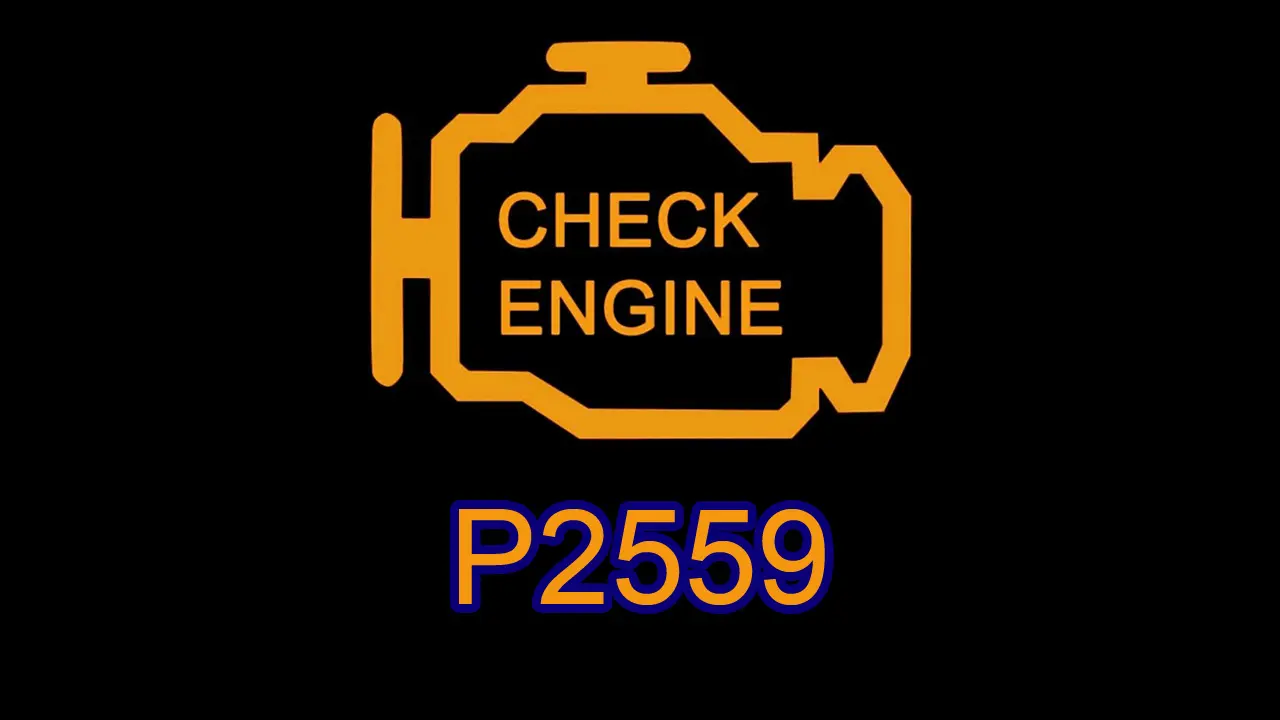
P2559 Engine Coolant Level Sensor/Switch Circuit High
P2559 is a generic OBD-II diagnostic trouble code that indicates the Engine Control Module (ECM) or Powertrain Control Module (PCM) has detected a high voltage condition in the Engine Coolant Level Sensor/Switch Circuit.
In simple terms, the ECM is receiving a coolant level sensor signal that is higher than the expected manufacturer-specified value. This usually indicates an electrical problem such as a short to battery voltage, an open circuit, a faulty coolant level sensor, damaged wiring, or connector issues.
The engine coolant level sensor system monitors coolant quantity inside the cooling system and helps protect the engine from overheating.
This system helps detect:
-
Low coolant conditions
-
Cooling system leaks
-
Potential overheating situations
-
Coolant monitoring failures
When the ECM detects an excessively high signal from the coolant level sensor circuit, it stores diagnostic trouble code P2559 and may illuminate the Check Engine Light or coolant warning indicator.
What Does P2559 Mean?
The engine coolant level sensor or switch monitors coolant quantity in components such as:
-
Expansion tank
-
Coolant reservoir
-
Radiator assembly (depending on vehicle design)
The sensor sends an electrical signal to the ECM or another control module.
The ECM expects the sensor signal to operate within a specific voltage range.
A normal coolant level sensor circuit should provide a predictable signal based on coolant level.
If the ECM detects:
-
Voltage higher than expected
-
Signal wire shorted to battery voltage
-
Incorrect sensor output
-
Circuit malfunction
it stores code P2559.
This code does not always indicate that the coolant level is too high. It refers mainly to an electrical high signal condition in the sensor circuit.
Common Symptoms of P2559
Symptoms may vary depending on the vehicle design and the cause of the high voltage condition.
Common symptoms include:
-
Check Engine Light illuminated
-
Coolant warning light illuminated
-
Incorrect coolant level warning
-
Coolant warning appears when coolant level is normal
-
Engine temperature concerns
-
Cooling system warning messages
-
Possible overheating risk
-
Reduced engine performance in some vehicles
Some vehicles may continue operating normally except for warning indicators.
Common Causes of P2559
Several electrical and cooling system problems can trigger this diagnostic code.
Short to battery voltage in the sensor circuit
This is one of the most common causes.
The coolant level sensor signal wire may contact a power supply wire because of:
-
Damaged insulation
-
Melted wiring
-
Incorrect electrical repairs
-
Harness damage
Faulty coolant level sensor
The sensor may internally fail and produce an incorrect high signal.
Possible causes include:
-
Internal electrical failure
-
Sensor contamination
-
Float mechanism problems
-
Moisture damage
-
Wear over time
Open circuit in the wiring
An open circuit can cause the ECM to interpret the signal as excessively high.
Possible causes include:
-
Broken wires
-
Disconnected connectors
-
Damaged terminals
-
Corrosion
Damaged wiring harness
Common wiring issues include:
-
Heat damage
-
Chafed insulation
-
Rodent damage
-
Water damage
-
Poor previous repairs
Connector problems
Electrical connectors may create high voltage readings due to:
-
Corrosion
-
Loose pins
-
Poor terminal contact
-
Water intrusion
Incorrect reference voltage
Some coolant level sensor systems use a reference voltage from the ECM. A problem with this supply may cause incorrect readings.
Poor sensor ground connection
A damaged ground circuit can cause the sensor signal to appear higher than normal.
ECM malfunction
A rare possibility is an internal ECM failure affecting sensor signal interpretation.
Vehicles Commonly Affected by P2559
P2559 may occur on many vehicles equipped with electronic coolant level monitoring systems.
Commonly affected vehicles include:
-
Ford F-150
-
Ford Explorer
-
Ford Transit
-
Chevrolet Silverado
-
Chevrolet Tahoe
-
GMC Sierra
-
Dodge Ram
-
Jeep Grand Cherokee
-
Chrysler 300
-
BMW 3 Series
-
BMW 5 Series
-
Mercedes-Benz C-Class
-
Mercedes-Benz E-Class
-
Audi A4
-
Volkswagen Passat
-
Toyota Land Cruiser
-
Toyota Highlander
-
Honda Pilot
-
Nissan Pathfinder
-
Hyundai Santa Fe
-
Kia Sorento
The exact sensor design, wiring configuration, and diagnostic procedure vary by manufacturer.
How Is P2559 Diagnosed?
Proper diagnosis requires testing the coolant level sensor circuit, wiring, and ECM input.
Check coolant level first
Technicians should verify:
-
Actual coolant level
-
Coolant leaks
-
Reservoir condition
-
Cooling system operation
The actual coolant condition should be confirmed before electrical diagnosis.
Check for additional diagnostic trouble codes
A professional scan tool should check for:
-
Cooling system codes
-
Temperature sensor codes
-
Overheating codes
-
Communication faults
Additional codes can help locate the problem.
Inspect wiring and connectors
The coolant level sensor circuit should be checked for:
-
Short to battery voltage
-
Damaged wires
-
Loose terminals
-
Corrosion
-
Water intrusion
Test the coolant level sensor
Technicians may check:
-
Sensor resistance
-
Signal output
-
Switch operation
-
Response to coolant level changes
Measure circuit voltage
Electrical testing may include:
-
Signal voltage measurement
-
Reference voltage testing
-
Ground testing
-
Continuity checks
Check ECM input
If the sensor and wiring are operating correctly, the ECM input circuit should be tested.
How to Fix P2559
The correct repair depends on the cause of the high circuit condition.
Common repairs include:
-
Repairing wiring shorted to battery voltage
-
Repairing open circuits
-
Replacing damaged wiring sections
-
Repairing or replacing electrical connectors
-
Cleaning corroded terminals
-
Replacing a faulty coolant level sensor
-
Replacing a faulty coolant level switch
-
Repairing sensor ground problems
-
Repairing ECM wiring issues
-
Updating ECM software when required
-
Replacing the ECM if internal failure is confirmed
After repairs, the trouble code should be cleared and the vehicle should be tested.
Can You Drive With P2559?
Driving with P2559 may be possible, but the fault should not be ignored.
The vehicle may continue operating normally, but the coolant monitoring system may not provide accurate warnings.
Possible risks include:
-
Failure to detect low coolant
-
Engine overheating
-
Cooling system damage
-
Reduced engine protection
If the engine temperature rises, coolant leaks are present, or overheating occurs, the vehicle should be inspected immediately.
Is P2559 a Serious Code?
P2559 is generally considered a moderate severity diagnostic trouble code.
The code does not always indicate an immediate engine problem, but it affects a system designed to protect the engine.
Ignoring the fault may result in:
-
Incorrect coolant warnings
-
Undetected coolant loss
-
Engine overheating
-
Increased risk of engine damage
Proper diagnosis is important to restore accurate coolant level monitoring.
How to Prevent P2559
Regular cooling system and electrical maintenance can help prevent coolant level sensor circuit problems.
Recommended preventive maintenance includes:
-
Check coolant level regularly.
-
Inspect the cooling system for leaks.
-
Maintain the correct coolant mixture.
-
Keep coolant sensor connectors clean and dry.
-
Inspect wiring near the coolant reservoir.
-
Repair damaged wiring immediately.
-
Replace damaged cooling components.
-
Follow manufacturer coolant service intervals.
-
Address warning lights promptly.
A properly maintained cooling system helps ensure accurate coolant level monitoring.
Final Thoughts
P2559 Engine Coolant Level Sensor/Switch Circuit High indicates that the ECM has detected an excessively high voltage signal from the coolant level sensor circuit.
The most common causes include short circuits to battery voltage, faulty coolant level sensors, damaged wiring, connector problems, poor grounding, reference voltage issues, or ECM-related faults.
Because the coolant level sensor helps protect the engine from overheating, this code should be properly diagnosed. Correct repairs restore accurate coolant monitoring and help ensure reliable engine protection.