TR
TR EN
EN

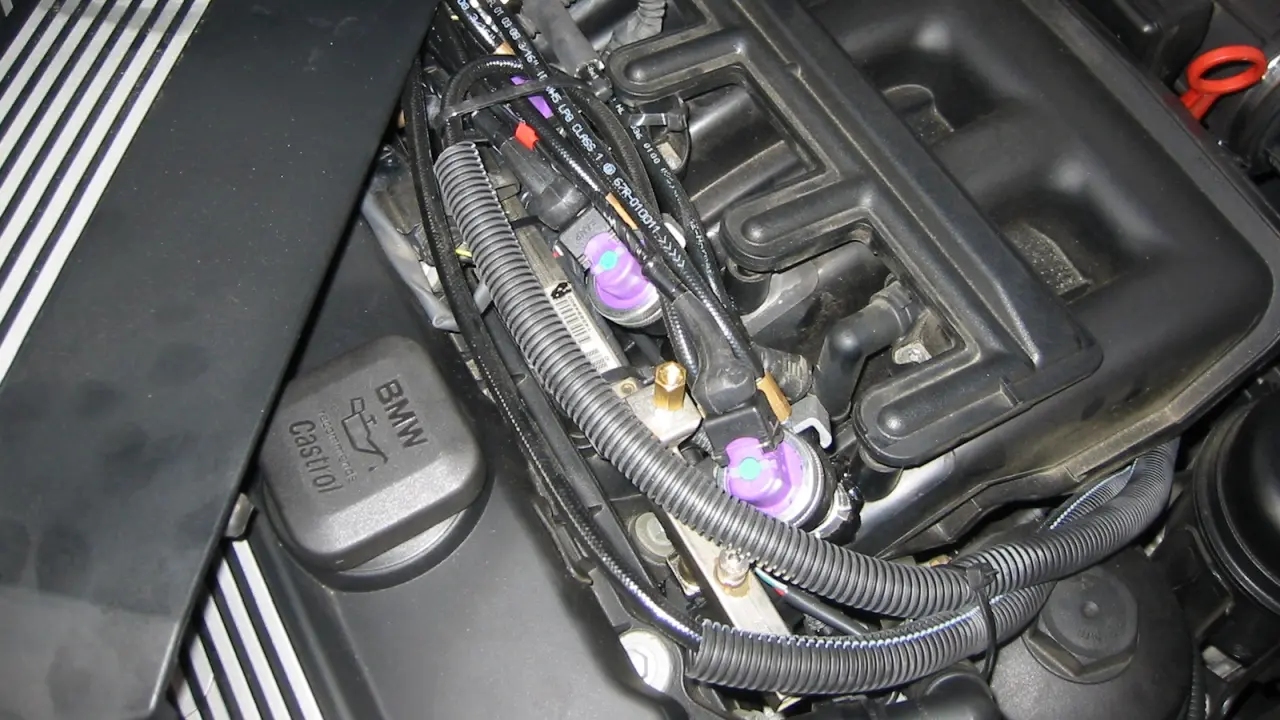
What Is LPG? What Is LPI?
LPG and LPI are closely related terms, but they do not describe exactly the same thing.
LPG stands for Liquefied Petroleum Gas. It is a fuel made mainly from propane, butane, or a mixture of both. It is widely used in vehicles as an alternative fuel to gasoline.
LPI stands for Liquid Propane Injection or, in automotive applications, is commonly used to describe a system that injects LPG into the engine in its liquid phase. Unlike conventional LPG systems that vaporize the fuel before injection, an LPI system can deliver the fuel to the injectors as a liquid.
Understanding the difference is important because LPG describes the fuel itself, while LPI generally describes a fuel injection technology.
What Is LPG?
LPG is a hydrocarbon fuel that is stored as a liquid under pressure but becomes a gas when the pressure is reduced.
Automotive LPG generally consists primarily of propane and butane. The exact composition can vary according to the fuel supply and region.
Because LPG can be stored as a liquid under relatively moderate pressure, a significant amount of fuel can be stored in a reasonably compact tank.
In an LPG-powered vehicle, the fuel is stored in a dedicated tank and supplied to the engine through a fuel system designed specifically for LPG.
Why Is LPG Stored as a Liquid?
Under normal atmospheric pressure, LPG is gaseous. However, when it is compressed inside a suitable tank, it changes into a liquid.
This makes storage much more practical.
The tank does not contain LPG in the same state as the fuel entering the engine in a conventional vapor-phase LPG system. As LPG leaves the tank and pressure is reduced, it can vaporize.
This phase change is one of the fundamental characteristics of automotive LPG systems.
How Does a Conventional LPG System Work?
In a conventional sequential LPG injection system, LPG leaves the tank in liquid form and travels through the fuel system toward the regulator.
The regulator, also called the vaporizer or reducer, lowers the fuel pressure and allows the LPG to change from liquid to gas.
The gaseous LPG is then sent to the LPG injectors, which meter the fuel before it enters the engine.
A simplified process is:
LPG tank → multivalve → LPG line → regulator/vaporizer → LPG filter → injectors → intake system → engine
The LPG ECU controls the system according to engine operating conditions.
It uses information such as engine speed, load, intake conditions, coolant temperature, and the gasoline ECU's signals to determine the appropriate LPG injection quantity.
What Is LPI?
LPI is an LPG fuel delivery technology in which LPG is injected into the engine while it remains in the liquid phase.
The key difference is therefore what happens to the LPG before it reaches the injector.
In a conventional vapor-phase LPG system, the LPG is converted into gas by a regulator/vaporizer.
In an LPI system, the fuel can remain liquid much closer to the point of injection.
This changes the design of the fuel system and the way fuel metering is controlled.
How Does LPI Work?
An LPI system uses a high-pressure fuel circuit designed to keep LPG in its liquid state until it reaches the injection point.
Instead of sending vaporized LPG from a reducer to the injectors, the system supplies liquid LPG under controlled pressure.
The injectors then meter the liquid fuel into the intake system or, depending on the specific system, directly into the combustion process.
The exact architecture varies between manufacturers.
Some systems use specialized liquid-phase LPG injectors and a dedicated pump to maintain the necessary fuel pressure.
LPG vs. LPI: What Is the Difference?
The simplest way to understand the distinction is:
LPG is the fuel. LPI is a way of supplying that fuel to the engine.
A conventional LPG conversion can use a vaporizer/regulator to convert LPG into gaseous fuel before injection.
An LPI system attempts to inject LPG while it is still liquid.
This means LPI is not a different fuel from LPG. It is a different fuel-delivery method.
Why Does Liquid LPG Injection Matter?
Liquid LPG has a much higher density than gaseous LPG.
When liquid fuel changes into a gas, it expands significantly. This phase change can also absorb heat from its surroundings.
This characteristic can influence the intake charge and fuel-metering behavior.
Liquid-phase injection can therefore provide some technical advantages depending on the engine and system design.
Potential benefits can include:
-
Precise fuel metering
-
No conventional LPG vaporizer required in some system designs
-
Reduced dependence on coolant temperature for fuel vaporization
-
Potentially better fuel distribution
-
Potentially improved response under certain operating conditions
-
Different thermal characteristics during fuel vaporization
However, these advantages depend heavily on the specific LPI system and engine.
It would be incorrect to assume that every LPI installation will automatically produce better performance or lower fuel consumption than every conventional LPG system.
Does LPI Eliminate the LPG Reducer?
This depends on the particular system.
One of the important characteristics of many liquid-phase LPG systems is that they do not need a conventional coolant-heated vaporizer to convert LPG from liquid to gas before injection.
Instead, the system maintains the fuel in liquid form and uses a dedicated pressure and injection strategy.
However, different manufacturers can use different architectures, so the presence or absence of a component should always be determined from the specific system rather than from the LPI name alone.
LPI and Engine Performance
One of the potential advantages of liquid LPG injection is that the fuel can be metered very accurately.
The evaporation of liquid LPG can also produce a cooling effect in the intake system. Under suitable conditions, this can affect intake charge temperature and density.
However, the final engine performance depends on much more than the injection method.
Important factors include:
-
Engine design
-
Compression ratio
-
Injector characteristics
-
LPG pressure
-
Injection timing
-
ECU calibration
-
Ignition timing
-
Intake and exhaust design
-
Air-fuel ratio
-
Turbocharging
-
Engine operating temperature
Therefore, simply replacing a conventional LPG system with an LPI system does not automatically increase engine power.
Does LPI Reduce LPG Consumption?
Not necessarily in every application.
Fuel consumption depends on the energy content of the fuel, engine efficiency, calibration, driving conditions, and the efficiency of the entire fuel system.
A well-calibrated liquid-phase system may offer efficient fuel metering, but the actual consumption difference compared with a well-designed sequential vapor-phase LPG system can vary considerably.
A poorly calibrated LPI system can still consume excessive fuel.
The quality of calibration and the compatibility between the system and the engine are therefore extremely important.
Does LPI Work With Every Gasoline Engine?
No.
An LPI system must be compatible with the engine and its fuel-injection architecture.
Factors such as:
-
Port injection or direct injection
-
Injector configuration
-
Engine control strategy
-
Fuel pressure requirements
-
Intake design
-
Valve and valve-seat characteristics
-
ECU communication
-
Emission-control system
can affect compatibility.
Direct-injection gasoline engines can require particularly specialized LPG solutions because the original gasoline injectors and fuel system operate differently from those of conventional port-injected engines.
Some LPG systems designed for direct-injection engines use specialized strategies to work alongside the original gasoline injection system.
Is LPI the Same as LPG Direct Injection?
Not necessarily.
The terms can sometimes be confused because both involve injection technology.
LPI generally refers to LPG being supplied in liquid form to the injection system.
Direct injection describes where the fuel is injected in relation to the combustion chamber.
An LPG system can therefore be liquid-phase without necessarily being identical to a gasoline direct-injection system.
The exact terminology depends on the manufacturer and system architecture.
LPG and LPI: Which Is Better?
There is no universal winner.
A modern sequential vapor-phase LPG system can work extremely well when it is properly selected, installed, and calibrated.
LPI can offer different technical advantages, particularly in applications where liquid-phase fuel delivery is beneficial.
The most important factors are usually:
-
Correct system selection
-
Engine compatibility
-
Quality components
-
Proper installation
-
Accurate calibration
-
Fuel pressure control
-
Injector performance
-
Regular maintenance
A poorly installed LPI system can perform worse than a properly installed conventional LPG system.
LPG System Maintenance
Regardless of whether the vehicle uses a conventional LPG system or an LPI system, regular maintenance is important.
Depending on the system, maintenance can include inspection or replacement of:
-
LPG filters
-
Injectors
-
Fuel lines
-
Pressure components
-
Electrical connections
-
Sensors
-
Tank and multivalve
-
Fuel pump
-
Cooling components
-
LPG ECU
Liquid-phase systems may have additional components, such as a dedicated fuel pump and specialized injectors, which require appropriate diagnostic procedures.
An LPG smell should never be considered normal. If a driver notices a persistent LPG odor, the vehicle should be inspected by a qualified technician.
LPG Is the Fuel, LPI Is the Technology
The most important distinction is simple:
LPG is a type of fuel, while LPI is a method of delivering LPG to the engine.
Conventional automotive LPG systems usually vaporize the fuel before it reaches the injectors. LPI systems are designed to supply LPG in liquid form to the injection system.
Both approaches can work effectively when properly engineered and calibrated.
For vehicle owners, the system's name is less important than its compatibility with the engine, installation quality, fuel control, calibration, maintenance, and overall safety.