TR
TR EN
EN

What Should Be Done After an LPG Conversion?
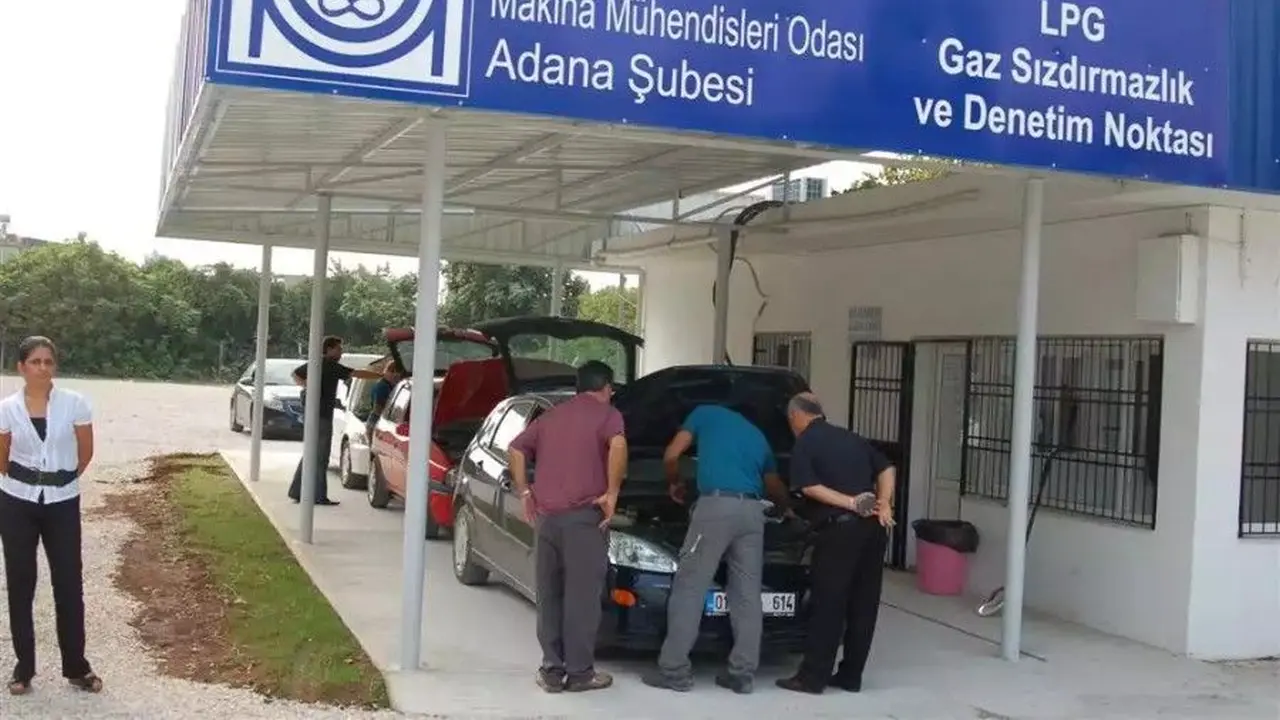
Installing an LPG system is not the end of the conversion process. Once the hardware has been fitted, the vehicle should go through a series of mechanical, electrical, calibration, safety, and administrative checks before it is considered ready for normal use.
The exact legal procedure varies from one country to another, but the technical principles are broadly similar. A properly completed LPG conversion should not only allow the engine to run on LPG; it should also be safe, correctly calibrated, compatible with the engine, and compliant with the applicable regulations.
Inspect the LPG Installation
The first step after installation is a complete visual inspection of the system.
The technician should check:
-
LPG tank mounting
-
Multivalve installation
-
Filler connection
-
LPG fuel lines
-
Regulator or vaporizer, if used
-
LPG injectors
-
LPG ECU
-
Electrical connections
-
Hoses and clamps
-
Cable routing
-
Protection from heat and mechanical damage
Fuel lines and wiring should be routed away from hot exhaust components, sharp edges and moving parts. Nothing should be able to rub against a component during normal vehicle operation.
The tank must also be securely mounted so that it cannot move excessively during driving.
Check the LPG Tank and Multivalve
The LPG tank is one of the most important safety components of the conversion.
After installation, the tank should be inspected for:
-
Correct positioning
-
Secure mounting
-
Physical damage
-
Deformation
-
Corrosion
-
Proper connection of the fuel lines
-
Correct multivalve installation
The applicable tank certification, service-life requirements and inspection rules depend on the country and the type of tank being used.
The multivalve should also be checked because it controls several important functions associated with LPG storage, filling and fuel delivery.
Perform a Leak Test
A leak test is one of the most important procedures after an LPG conversion.
Every relevant connection should be checked, including the:
-
Tank and multivalve
-
Filler connection
-
Fuel lines
-
Regulator
-
Filters
-
Injectors
-
Other LPG connections
An LPG smell should never be considered normal.
Leak detection should be performed using an appropriate professional method. A flame, lighter or match must never be used to search for an LPG leak.
If a leak is detected, the vehicle should not be treated as ready for normal operation until the problem has been repaired and the system has been tested again.
Check the LPG Filler
The filler connection should be securely mounted and properly sealed.
The filler cap should also fit correctly, and the filler system should not show signs of damage or leakage.
The exact filler design and connector requirements can vary between countries and LPG systems, so the installed equipment should comply with the applicable local requirements.
Inspect the Regulator or Vaporizer
Traditional vapor-phase LPG systems normally use a regulator or vaporizer to reduce fuel pressure and convert LPG from liquid to gas.
After installation, the technician should check:
-
LPG connections
-
Coolant connections
-
Mounting
-
Hose routing
-
Fuel pressure
-
Operating temperature
-
Signs of leakage
The regulator must be able to reach the appropriate operating temperature. Problems with coolant circulation can affect LPG vaporization and fuel pressure stability.
Liquid-phase LPG systems can use a different fuel-delivery architecture and may not require a conventional vaporizer. The inspection should therefore follow the specific design of the installed system.
Check the LPG Injectors
LPG injectors must be installed correctly and connected securely.
Injector hoses, where applicable, should be properly routed and should not introduce unnecessary differences or restrictions between cylinders.
Incorrect injector installation can contribute to:
-
Rough idle
-
Hesitation
-
Misfires
-
Poor throttle response
-
Increased fuel consumption
-
Uneven cylinder fueling
The injector characteristics must also be compatible with the LPG ECU and the engine.
Inspect the LPG ECU and Wiring
The LPG control unit communicates with the vehicle's engine management system and uses information from various sensors and engine operating parameters.
The electrical installation should therefore be inspected carefully.
Important checks include:
-
Power supply
-
Ground connections
-
Fuses
-
Injector wiring
-
Sensor connections
-
ECU connectors
-
Wiring splices
-
Insulation
-
Cable routing
Poor electrical connections can create intermittent faults that are difficult to diagnose. A vehicle may appear to operate normally and still develop problems under certain temperatures, engine loads or vibration conditions.
Calibrate the LPG System
Mechanical installation is only part of an LPG conversion.
The LPG ECU must be calibrated so that the engine receives the correct amount of fuel under different operating conditions.
Calibration should not be based only on idle operation.
The system should be evaluated during conditions such as:
-
Idle
-
Light acceleration
-
Moderate load
-
Heavy load
-
Rapid acceleration
-
High engine speed
-
Constant-speed driving
-
Deceleration
-
Re-acceleration
-
Hill climbing
A vehicle that runs smoothly at idle can still have a serious LPG calibration problem under high load.
Compare Gasoline and LPG Operation
The vehicle should be tested on both gasoline and LPG.
The transition between the two fuels should be smooth, and the engine should maintain stable operation after switching.
Problems such as:
-
Hesitation
-
Misfires
-
Rough idle
-
Stalling
-
Poor acceleration
-
Sudden power loss
-
Excessive fuel consumption
should be investigated rather than simply attributed to "normal LPG operation."
The gasoline system also needs to be in good condition because ignition, air metering, oxygen sensors, vacuum leaks and engine condition can affect LPG operation.
Check Fuel Trims and Engine Data
A more detailed LPG calibration can include monitoring the original engine ECU's live data.
Fuel-trim values such as STFT and LTFT can provide useful information about how the engine management system is compensating for the air-fuel mixture.
If the LPG calibration is significantly incorrect, the gasoline ECU may continuously compensate by adding or removing fuel.
Diagnostic data can therefore help determine whether the LPG system is maintaining an appropriate mixture across different operating conditions.
Check for Diagnostic Trouble Codes
The vehicle should be scanned after the LPG installation and calibration.
Particular attention should be given to codes related to:
-
Misfires
-
Lean mixture
-
Rich mixture
-
Oxygen sensors
-
Fuel trims
-
Emissions systems
-
Engine management
Simply clearing a fault code does not mean that the problem has been solved.
If a fault returns after the vehicle is driven on LPG, the underlying cause should be diagnosed.
Test the Gasoline-to-LPG Transition
Many LPG vehicles start on gasoline and switch to LPG after certain operating conditions are reached.
The transition should be checked carefully.
There should generally be no:
-
Severe vibration
-
Engine hesitation
-
Stalling
-
Sudden RPM drop
-
Major loss of power
-
Warning light
during the transition.
The switching temperature and strategy should be appropriate for the engine and the LPG system.
Perform a Road Test
A road test is essential because some LPG problems cannot be identified while the vehicle is stationary.
The vehicle should ideally be tested under several conditions, including:
-
Urban traffic
-
Constant-speed driving
-
Moderate acceleration
-
Strong acceleration
-
Uphill driving
-
High engine speed
-
Different engine loads
The technician should monitor fuel pressure, injector operation, engine parameters and fault codes where appropriate.
High-load operation is particularly important because a system that appears perfect during light driving may become unstable when the engine demands a large amount of fuel.
Monitor the Vehicle After the Conversion
The first period after an LPG conversion is useful for identifying problems that may not appear during the initial workshop inspection.
The driver should pay attention to:
-
LPG odor
-
Engine warning lights
-
Misfires
-
Hesitation
-
Rough idle
-
Poor acceleration
-
Unusual fuel consumption
-
Difficult fuel switching
-
Unusual noises
-
Sudden loss of power
An LPG smell should always be investigated.
Likewise, repeated warning lights or drivability problems should not simply be ignored because the vehicle still runs.
Do Not Judge Fuel Consumption Too Quickly
Fuel consumption should not be evaluated from a single tank of LPG.
Consumption can vary because of:
-
Driving style
-
Traffic
-
Ambient temperature
-
Tire pressure
-
Vehicle load
-
Air-conditioning use
-
LPG composition
-
Engine condition
-
LPG calibration
-
Route characteristics
A more reliable comparison requires several refueling cycles under reasonably similar driving conditions.
Complete the Required Legal and Registration Procedures
The administrative side of an LPG conversion is just as important as the technical side.
The exact process depends on the country and jurisdiction. Some countries require an approved installation, technical inspection, certification, registration update, or emissions compliance documentation. Others may have different procedures.
After the conversion, the owner should therefore determine what local authorities, inspection organizations and registration agencies require.
The vehicle should not be considered fully compliant simply because the LPG system works mechanically.
The conversion must also meet the applicable safety, technical and registration requirements of the country where the vehicle is registered.
Keep the Conversion Documentation
All documents related to the LPG installation should be retained.
Depending on local requirements, these may include:
-
Installation documentation
-
Component certificates
-
Tank certification
-
Inspection records
-
System information
-
Maintenance records
-
Warranty documentation
Keeping these records can be particularly useful when the vehicle is inspected, serviced, sold or transferred to another owner.
Continue Maintaining the Gasoline System
An LPG conversion does not eliminate the gasoline system.
The gasoline fuel system, ignition system and engine still require normal maintenance.
Spark plugs, ignition coils, engine oil, filters, oxygen sensors, cooling components and other engine-management components can all affect LPG operation.
A problem that appears only when the vehicle is running on LPG does not necessarily mean that an LPG component has failed.
For example, a weak ignition coil or worn spark plug may become much more noticeable on LPG because the combustion requirements can differ from those of gasoline.
Pay Attention to Engine Compatibility
Not every gasoline engine responds to LPG in exactly the same way.
Some engines may require additional attention to valve and valve-seat condition, ignition components, fuel calibration or operating temperatures.
This does not mean that LPG is unsuitable for those engines. It means that the conversion should be based on the engine manufacturer's characteristics and the LPG system's compatibility.
Using an LPG system simply because it fits physically is not enough. The system must also be technically appropriate for the engine.
What Does a Properly Completed LPG Conversion Look Like?
A successful LPG conversion is more than an engine that starts and runs on gas.
A properly completed conversion should have:
Correct mechanical installation + secure fuel system + leak-free connections + reliable electrical wiring + compatible components + accurate ECU calibration + successful road testing + compliance with applicable regulations.
Skipping one of these steps can create problems later.
The goal of the post-conversion inspection is therefore not simply to confirm that the vehicle can run on LPG. It is to make sure that the entire system works safely, reliably, efficiently and consistently under real driving conditions.
A well-installed and correctly calibrated LPG system should feel like a properly integrated part of the vehicle rather than an additional system that the engine has to "struggle" to operate.