TR
TR EN
EN

Prepare Your Car for Winter in 8 Steps
Winter is one of the most demanding seasons for vehicles. Low temperatures, snow, ice, rain, mud, and road salt can affect many parts of a car, from the engine and battery to the tires, windshield wipers, and heating system.
Whether your vehicle is old or new, carrying out a few basic checks before winter arrives can improve safety and help prevent unexpected breakdowns during cold weather.
The battery, tires, cooling system, windshield wipers, and heating system deserve particular attention before winter. Spending a relatively small amount on preventive maintenance can help prevent being stranded on the road or facing a much larger repair bill later.
Here are eight important steps you can take to prepare your car for difficult winter conditions.
1. Check the Fluids
One of the most important parts of winter preparation is checking the fluids in your vehicle. In particular, pay attention to the engine coolant, engine oil, and windshield washer fluid.
Engine coolant and antifreeze
Using only water in the cooling system can create serious problems when temperatures fall below freezing. The correct mixture of coolant and antifreeze helps protect the cooling system against freezing and provides proper protection for the engine.
However, checking only the coolant level is not enough. The freezing protection and the correct mixture recommended by the vehicle manufacturer are also important.
Before winter:
-
Check the coolant level.
-
Check the antifreeze concentration and freezing protection.
-
Look for leaks around the radiator and cooling-system hoses.
-
Make sure the coolant meets the manufacturer's required specification.
Engine oil
The engine oil level should be checked regularly, and the oil used in the engine must meet the manufacturer's specifications.
Cold temperatures can make engine oil more resistant to flow. Therefore, the correct oil viscosity becomes particularly important in areas where very low temperatures are common.
However, switching to a thinner oil simply because winter has arrived is not always the correct approach. Oil viscosity and specification should be selected according to the vehicle manufacturer's recommendations.
Windshield washer fluid
Ordinary water can freeze in cold weather and may even damage parts of the windshield washer system. During winter, use a washer fluid designed to remain effective at temperatures expected in your area.
A proper winter washer fluid also helps remove road salt, dirt, and grime from the windshield, making it easier to maintain good visibility.
2. Inspect the Belts and Hoses
Opening the hood before winter and visually inspecting the belts and hoses is another useful preventive measure.
Cold weather can make aging rubber components harder and may worsen existing cracks or weaknesses.
Pay particular attention to:
-
Auxiliary drive belts
-
Timing belt components, where applicable
-
Radiator hoses
-
Cooling-system connections
-
Hose clamps
-
Cracks, swelling, or other visible damage
A belt showing cracks, severe wear, abnormal looseness, or damage should not be ignored.
Hoses should also be checked for cracking, excessive softness, hardening, swelling, or traces of coolant.
This inspection is particularly important on older vehicles, where rubber components may already be approaching the end of their service life.
3. Replace Worn Windshield Wipers
Good visibility is essential for safe winter driving.
Rain, snow, mud, and road salt can quickly cover the windshield. If the wiper blades cannot properly clear the glass, visibility can deteriorate significantly.
Consider replacing the wiper blades if they:
-
Leave streaks on the glass
-
Fail to remove water properly
-
Make unusual noises
-
Leave sections of the windshield dirty
-
Have cracked or hardened rubber
-
Skip across the windshield instead of moving smoothly
There is no universal rule stating that every wiper blade must be replaced exactly after one year. Their service life depends on factors such as sunlight, heat, climate, usage, and blade quality.
Therefore, their actual condition is more important than simply counting the months since installation.
In areas with heavy snow and ice, winter-specific wiper blades can also be considered.
4. Check the Tires and Tire Pressure
Tires are among the most important components to inspect before winter.
They are the only parts of the vehicle that directly contact the road. On wet, snowy, or icy surfaces, their condition directly affects braking, cornering, acceleration, and overall stability.
Before winter, check:
-
Tread depth
-
Cracks or visible damage
-
Tire pressure
-
The condition of the spare tire or tire repair kit
-
Tire age
Tire pressure can decrease as temperatures fall, so it should be checked regularly during the colder months.
The correct pressure is not necessarily the maximum pressure printed on the tire sidewall. Always use the pressure recommended by the vehicle manufacturer. This information can usually be found on a label inside the driver's door area, on the fuel-filler flap, or in the owner's manual.
If you live in an area where snow and ice are common, suitable winter tires can provide a significant safety advantage.
When choosing winter tires, don't rely only on the M+S marking. For severe winter conditions, the 3PMSF (Three-Peak Mountain Snowflake) symbol is a more meaningful indication of tested winter performance.
Winter tires should generally be fitted to all four wheels on a four-wheeled vehicle rather than installing winter tires on only one axle. This helps maintain more predictable handling and balance.
5. Check the Battery
Cold weather can significantly affect the performance of an automotive battery.
Starting an engine requires a substantial amount of electrical energy from the battery. At low temperatures, the battery's available capacity decreases, while cold engine oil can make the engine harder to turn. As a result, a battery that appears to work normally in warm weather may struggle to start the engine on a very cold morning.
Before winter, consider having the following checked:
-
Battery voltage
-
Battery starting or cranking performance
-
Battery terminals
-
Battery cables
-
Charging-system operation
Look for corrosion around the battery terminals and make sure the electrical connections are secure.
Older serviceable batteries may require electrolyte-level inspection according to the manufacturer's procedure. However, many modern batteries are maintenance-free. Do not add distilled water or any other liquid unless the battery design specifically requires it.
Always follow appropriate safety precautions when working around a battery, and keep the engine switched off when inspecting or servicing the battery.
6. Inspect the Four-Wheel-Drive System
Having a four-wheel-drive vehicle can be a major advantage in winter, but only when the system is functioning correctly.
Four-wheel drive can improve traction during acceleration and help distribute engine torque to multiple wheels when conditions allow. However, four-wheel drive does not make a vehicle unstoppable on snow or ice.
Braking performance is still largely dependent on tire grip, and even a four-wheel-drive vehicle can lose control on an icy road.
If your four-wheel-drive system has not been used or inspected for a long time, having it checked before winter can be worthwhile.
Depending on the vehicle, the inspection may include:
-
Differentials
-
Transfer case
-
Four-wheel-drive clutch
-
Driveshafts
-
Axles
-
Relevant fluids
-
Electronic control systems
It is also important to make sure the four-wheel-drive system engages correctly under the conditions specified by the vehicle manufacturer.
7. Check the Heating and Defrosting System
The heating system is not simply a comfort feature during winter. It also plays an important role in driving safety.
The vehicle's heating and ventilation system must be able to clear condensation and frost from the windows, especially the windshield.
Before winter, check whether:
-
The heater produces sufficient warm air
-
The blower works at all speed settings
-
Airflow can be directed correctly
-
The windshield defroster provides adequate airflow
-
The air-conditioning system operates properly
In modern vehicles, the air-conditioning system can also be useful during winter. When operating in the appropriate climate-control mode, the A/C system can help remove moisture from the air and clear windshield fog more quickly.
If the heater does not produce enough heat, the problem is not necessarily the heater core. A low coolant level, thermostat problem, air trapped in the cooling system, water-pump issue, or HVAC blend-door problem can also cause insufficient cabin heat.
8. Prepare an Emergency Kit
Even the best vehicle preparation cannot eliminate every risk during severe winter weather.
Heavy snowfall, ice, road closures, or an unexpected breakdown can leave a driver stranded. For this reason, keeping a basic emergency kit in the vehicle can be extremely useful.
A winter emergency kit can include:
-
Flashlight
-
Spare batteries
-
Reflective warning equipment
-
Heavy blanket
-
Gloves
-
Warm hat
-
Ice scraper
-
De-icing product
-
Small shovel
-
Tow rope, where appropriate and safe to use
-
Snow chains when required and compatible with the vehicle
-
Basic first-aid supplies
-
Drinking water
-
Long-lasting food
-
Suitable phone-charging equipment
-
Any emergency equipment recommended by the vehicle manufacturer
Water and food are particularly useful when traveling on long or isolated roads.
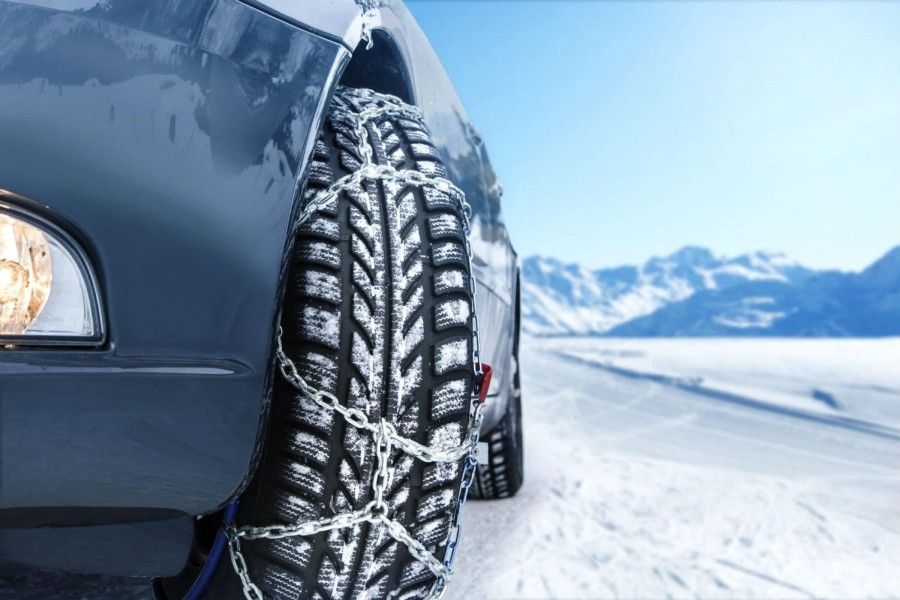
If you expect to use snow chains, make sure they are compatible with your tire size and that you know how to install them correctly before you need them.
Emergency equipment is also more useful when it is stored somewhere that can be accessed easily rather than buried underneath luggage.
Winter Preparation Is More Than Just Changing the Tires
Preparing a vehicle for winter does not simply mean adding antifreeze or installing winter tires. The vehicle should be considered as a complete system.
Important winter checks include:
-
Engine oil
-
Coolant
-
Antifreeze protection
-
Windshield washer fluid
-
Wiper blades
-
Tires
-
Tire pressure
-
Battery
-
Charging system
-
Belts
-
Hoses
-
Braking system
-
Headlights and exterior lighting
-
Heating system
-
Windshield defrosting system
-
Four-wheel-drive system
-
Emergency equipment
Not every inspection needs to be performed by the driver. If there is a suspected problem with the brakes, cooling system, battery, four-wheel-drive system, or engine, professional inspection is the safer choice.
Reduce the Risk of Being Stranded in Winter
A vehicle does not have to suffer a major engine failure to leave you stranded during winter. A weak battery, worn tires, frozen washer fluid, damaged wiper blades, or an unsuitable tire setup can also create serious problems.
Taking some time to inspect your vehicle before winter can prevent many issues that might otherwise occur on a cold or snowy day.
Most importantly, preparing the vehicle for winter should also mean adapting your driving style to the weather and road conditions.
Winter tires, four-wheel drive, and electronic safety systems cannot overcome the basic laws of physics. On snowy or icy roads, reduce your speed, increase your following distance, avoid sudden steering and braking inputs, and leave yourself more time to react.
A properly prepared vehicle is not only more reliable in winter; it is also safer, more predictable, and less likely to leave you facing an unexpected repair or roadside emergency.