TR
TR EN
EN

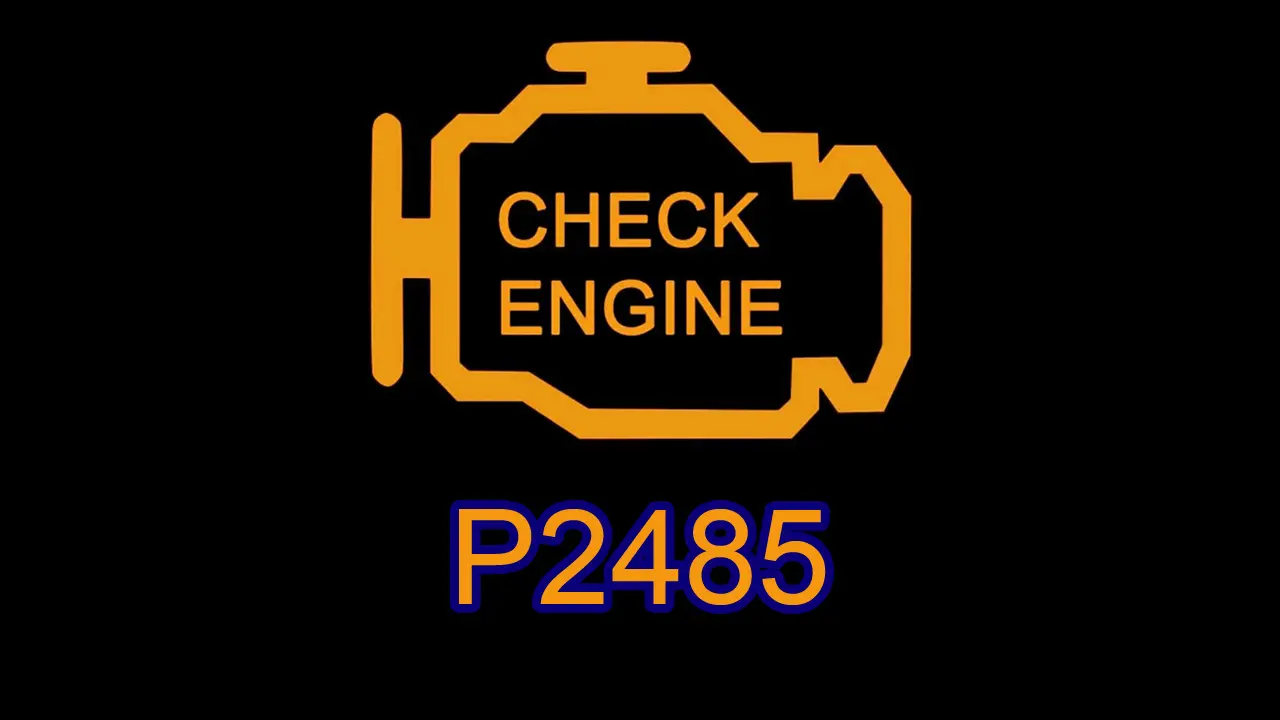
P2485 Exhaust Gas Temperature Sensor Circuit Open Bank 2 Sensor 5
P2485 is a generic OBD-II diagnostic trouble code that indicates the engine control module (ECM) has detected an open circuit in the Exhaust Gas Temperature (EGT) Sensor circuit for Bank 2 Sensor 5. An open circuit means the ECM is no longer receiving a valid electrical signal from the sensor because the circuit has been interrupted by a broken wire, disconnected connector, damaged sensor, or internal electrical fault.
Exhaust Gas Temperature sensors play a critical role in protecting emission control components such as the Diesel Particulate Filter (DPF), catalytic converter, and Selective Catalytic Reduction (SCR) system by continuously monitoring exhaust temperatures.
When the ECM loses communication with Sensor 5 on Bank 2, it may disable certain emission control functions, reduce engine performance, or prevent DPF regeneration to avoid damage.
What Does P2485 Mean?
Modern gasoline and diesel engines often use several Exhaust Gas Temperature sensors positioned throughout the exhaust system.
These sensors monitor temperatures before and after components such as:
-
Turbocharger
-
Diesel Oxidation Catalyst (DOC)
-
Diesel Particulate Filter (DPF)
-
Selective Catalytic Reduction (SCR) catalyst
-
Catalytic converter
Bank 2 refers to the side of the engine opposite Cylinder 1 on V-type engines.
Sensor 5 is usually located farther downstream in the exhaust system, although its exact location depends on the manufacturer.
When the ECM detects that the sensor signal remains open or outside the expected electrical range for a specified period, it stores diagnostic code P2485 and illuminates the Check Engine Light.
Common Symptoms of P2485
Some vehicles may exhibit only a warning light, while others may experience noticeable performance issues.
Common symptoms include:
-
Check Engine Light illuminated
-
Malfunction Indicator Lamp (MIL) on
-
Reduced engine performance
-
Limited engine power (limp mode)
-
Disabled DPF regeneration
-
Increased exhaust emissions
-
Reduced fuel economy
-
Failed emissions inspection
-
Warning messages related to the emission system
-
Increased soot accumulation in diesel engines
Many drivers notice no drivability problems during the early stages.
Common Causes of P2485
An open circuit usually indicates an electrical problem rather than a temperature problem.
Faulty exhaust gas temperature sensor
Internal failure of the sensor is one of the most common causes.
Broken wiring
The sensor wiring operates in an extremely hot environment and may become:
-
Melted
-
Burned
-
Cut
-
Brittle
-
Broken
Loose or corroded electrical connector
Poor electrical connections can interrupt communication between the sensor and the ECM.
Water intrusion
Moisture inside the connector may cause corrosion and open circuits.
Heat damage
Continuous exposure to high exhaust temperatures may damage wiring insulation and connectors.
Rodent damage
Rodents occasionally chew wiring harnesses located underneath the vehicle.
Damaged wiring harness
Road debris, vibration, or improper repairs may damage the sensor harness.
ECM electrical fault
Although uncommon, an internal ECM problem can also trigger this code.
Vehicles Commonly Affected by P2485
P2485 is commonly found on diesel vehicles equipped with multiple exhaust temperature sensors.
Examples include:
-
Ford Super Duty Power Stroke
-
Ford Transit Diesel
-
Chevrolet Silverado Duramax
-
GMC Sierra Duramax
-
Ram 2500 Cummins
-
Ram 3500 Cummins
-
Mercedes-Benz Sprinter
-
Mercedes-Benz GLE Diesel
-
BMW X5 Diesel
-
BMW 5 Series Diesel
-
Audi Q7 TDI
-
Volkswagen Touareg TDI
-
Volkswagen Amarok
-
Land Rover Discovery
-
Range Rover Sport Diesel
-
Jeep Grand Cherokee EcoDiesel
-
Nissan Navara
-
Isuzu D-Max
-
Mitsubishi L200
-
Toyota Land Cruiser Diesel
It may also appear on gasoline vehicles that use multiple exhaust gas temperature sensors for turbocharger and catalyst protection.
How Is P2485 Diagnosed?
Proper diagnosis focuses on locating the electrical interruption.
Read all diagnostic trouble codes
Additional codes involving:
-
EGT sensors
-
DPF
-
SCR system
-
NOx sensors
-
Oxygen sensors
may help identify the underlying problem.
Inspect the sensor wiring
Technicians carefully inspect the harness for:
-
Burned insulation
-
Broken wires
-
Melted sections
-
Loose connectors
-
Corrosion
This is often where the fault is found.
Check connector condition
The connector should be inspected for:
-
Bent terminals
-
Corrosion
-
Moisture
-
Poor pin contact
Measure sensor resistance
Using a digital multimeter, technicians verify whether the sensor has an internal open circuit.
Check circuit continuity
Continuity testing confirms whether the wiring between the sensor and the ECM remains intact.
Review live scan data
A professional scan tool can display the exhaust temperature reported by each sensor.
A failed Sensor 5 may display:
-
Extremely low temperature
-
Extremely high temperature
-
No temperature reading
-
Fixed unrealistic value
How to Fix P2485
The repair depends on the source of the open circuit.
Common repairs include:
-
Replacing the faulty exhaust gas temperature sensor
-
Repairing broken wiring
-
Replacing damaged wiring harnesses
-
Cleaning corroded connectors
-
Securing loose electrical connections
-
Repairing melted wiring near the exhaust
-
Replacing damaged connector terminals
-
Repairing water-damaged connectors
-
Updating ECM software if recommended by the manufacturer
-
Replacing the ECM in rare cases of internal failure
After repairs, the diagnostic code should be cleared and the system retested to confirm proper operation.
Can You Drive With P2485?
In most cases, the vehicle can still be driven, but prolonged operation is not recommended.
Without accurate exhaust temperature information, the ECM may:
-
Disable DPF regeneration
-
Reduce engine performance
-
Increase exhaust emissions
-
Enter limp mode
-
Prevent normal emission system operation
Diesel vehicles are particularly vulnerable because repeated interruption of DPF regeneration can eventually cause excessive soot accumulation.
Is P2485 a Serious Code?
P2485 is considered moderately serious.
The code usually does not indicate immediate engine damage, but it can prevent the emission system from functioning correctly. If ignored for an extended period, additional problems may develop, including:
-
DPF blockage
-
Catalyst overheating
-
Reduced engine efficiency
-
Increased emissions
-
More emission-related diagnostic codes
Repairing the electrical fault early helps avoid secondary exhaust system problems.
How to Prevent P2485
Although some sensor failures occur naturally with age, regular inspections can significantly reduce the risk.
Recommended preventive maintenance includes:
-
Inspect exhaust wiring during routine service.
-
Repair damaged heat shields promptly.
-
Secure loose wiring away from hot exhaust components.
-
Clean electrical connectors when corrosion is found.
-
Replace damaged wiring insulation immediately.
-
Inspect the exhaust system after off-road driving.
-
Repair exhaust leaks that expose wiring to excessive heat.
-
Address emission system warning lights without delay.
Routine inspection of the exhaust wiring harness is especially important on vehicles that frequently tow heavy loads or operate in harsh environments.
Final Thoughts
P2485 Exhaust Gas Temperature Sensor Circuit Open Bank 2 Sensor 5 indicates that the ECM has lost the electrical signal from the fifth exhaust gas temperature sensor on Bank 2 due to an open circuit. The most common causes include a failed sensor, broken wiring, heat-damaged harnesses, corroded connectors, or loose electrical connections. Because accurate exhaust temperature monitoring is essential for protecting components such as the DPF, catalytic converter, and SCR system, this code should be diagnosed and repaired promptly.
Resolving the underlying electrical fault restores proper exhaust temperature monitoring, allows emission control systems to function correctly, and helps prevent long-term damage to expensive exhaust aftertreatment components.