TR
TR EN
EN

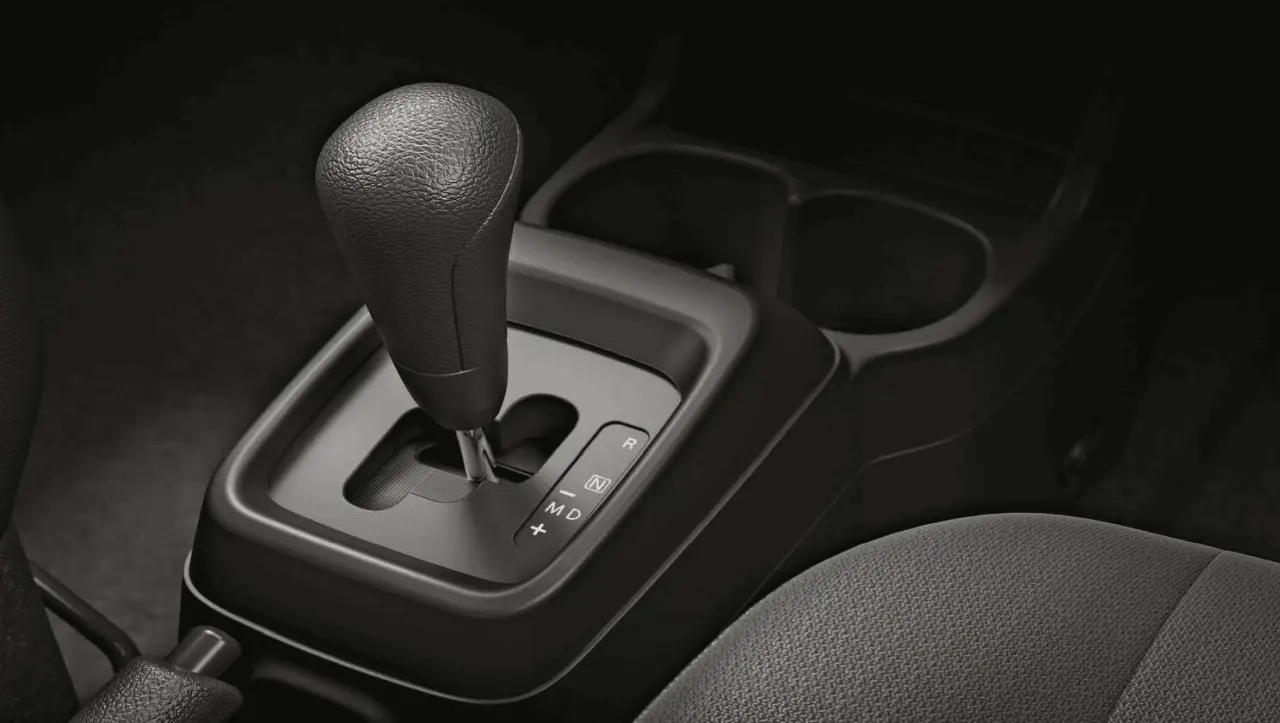
AMT Transmission Explained: How It Works, Pros and Cons
Automatic transmissions have become increasingly popular around the world, but not every automatic gearbox works the same way. While torque converter automatics, CVTs, and dual-clutch transmissions receive most of the attention, another type of transmission remains a practical and affordable choice for many drivers: the Automated Manual Transmission (AMT).
An AMT combines the mechanical simplicity of a traditional manual gearbox with the convenience of automatic shifting. It eliminates the need for a clutch pedal while keeping production and maintenance costs relatively low. Because of this, AMT transmissions are commonly used in compact cars, entry-level vehicles, and light commercial models.
In this guide, we'll explain what an AMT transmission is, how it works, its advantages and disadvantages, common problems, maintenance tips, and whether it's the right choice for your driving style.
What Is an AMT Transmission?
An AMT (Automated Manual Transmission) is essentially a conventional manual gearbox that uses electronic or hydraulic actuators to operate the clutch and change gears automatically.
Unlike a manual transmission, the driver does not need to press a clutch pedal or move a gear lever. Instead, the transmission control system performs these tasks automatically based on vehicle speed, engine load, throttle position, and other driving conditions.
Because the gearbox itself is based on a manual transmission, an AMT is generally lighter, simpler, and less expensive than many other automatic transmission systems.
How Does an AMT Transmission Work?
Although an AMT feels like an automatic from the driver's seat, its internal operation is quite different from a conventional automatic transmission.
When the vehicle needs to change gears, the transmission follows these steps:
-
Sensors monitor engine speed, vehicle speed, and accelerator input.
-
The transmission control unit (TCU) determines the optimal gear.
-
The clutch actuator disengages the clutch automatically.
-
The gear actuator selects the next gear.
-
The clutch is re-engaged.
-
Engine power is restored smoothly.
This entire process happens within a fraction of a second without any driver input.
Since an AMT uses only one clutch, there is usually a brief interruption in power during gear changes, which drivers may notice as a slight pause or jerk.
Main Components of an AMT Transmission
An AMT transmission consists of several important components working together.
Manual Gearbox
The gearbox itself is almost identical to a traditional manual transmission, including gears, synchronizers, shafts, and the differential.
Clutch
Most AMT systems use a conventional dry clutch similar to that found in manual vehicles.
Instead of being controlled by the driver's foot, it is operated automatically by actuators.
Clutch Actuator
The clutch actuator engages and disengages the clutch whenever a gear change is required.
Depending on the manufacturer, it may be electrically or hydraulically operated.
Gear Shift Actuator
This component physically moves the gear selector forks to engage the required gear.
It replaces the manual movement normally performed by the driver.
Transmission Control Unit (TCU)
The TCU acts as the transmission's electronic brain.
It receives information from multiple sensors and continuously decides:
-
When to change gears
-
Which gear to select
-
How quickly to engage the clutch
Modern control software also adapts shifting behavior to driving conditions.
Advantages of an AMT Transmission
AMT transmissions offer several practical benefits that make them attractive for many drivers.
Affordable Purchase Price
Because an AMT shares most of its mechanical components with a manual gearbox, manufacturing costs remain relatively low.
Vehicles equipped with AMTs are usually less expensive than those fitted with conventional automatic transmissions.
Excellent Fuel Economy
AMT transmissions experience very little power loss.
As a result, fuel consumption is often similar to—or even identical with—that of a manual transmission.
Lower Maintenance Costs
Compared with many automatic transmissions, AMTs generally require less expensive maintenance.
Replacement parts are often simpler and more affordable because the gearbox itself is fundamentally manual.
Easy to Drive
Drivers enjoy automatic gear changes without needing to operate a clutch pedal.
This makes driving in urban traffic much more comfortable than using a manual transmission.
Lightweight Design
AMTs are usually lighter than traditional automatic transmissions.
Reduced weight can improve both fuel efficiency and overall vehicle performance.
Disadvantages of an AMT Transmission
While AMTs have many strengths, they are not perfect.
Understanding their limitations is important before purchasing a vehicle equipped with one.
Noticeable Gear Changes
Unlike dual-clutch or torque converter automatics, AMTs often produce noticeable pauses during shifting.
Drivers may experience:
-
Slight hesitation
-
Small jerks
-
Brief interruption of acceleration
This behavior is considered normal.
Less Smooth in Heavy Traffic
Frequent stop-and-go driving can make gear changes feel more noticeable.
Compared with other automatic transmissions, AMTs may seem less refined during slow-speed driving.
Slower Shift Speed
Because only one clutch is used, every gear change requires the clutch to disengage and re-engage completely.
This makes shifting slower than in dual-clutch transmissions.
Clutch Wear
Like manual transmissions, the clutch in an AMT eventually wears out.
Driving habits such as:
-
Frequent stop-and-go traffic
-
Aggressive acceleration
-
Carrying heavy loads
can shorten clutch life considerably.
Common AMT Transmission Problems
Although AMTs are mechanically simple, several issues may develop over time.
The most common problems include:
Jerky Gear Changes
Drivers may notice rough or abrupt shifting, particularly at low speeds.
Possible causes include:
-
Clutch wear
-
Clutch calibration issues
-
Software problems
Delayed Gear Engagement
The vehicle may hesitate before moving after selecting Drive or Reverse.
Possible causes include:
-
Actuator wear
-
Hydraulic pressure issues
-
Faulty sensors
Clutch Failure
Since the clutch functions much like a manual clutch, it eventually requires replacement.
Typical symptoms include:
-
Slipping
-
Burning smell
-
Poor acceleration
-
Difficulty moving from a stop
Gear Actuator Problems
The actuator responsible for selecting gears may fail due to wear or electrical faults.
Common symptoms include:
-
Transmission warning lights
-
Failure to shift gears
-
Vehicle entering limp mode
Electronic Control Issues
Software errors or faulty sensors may cause:
-
Incorrect gear selection
-
Warning messages
-
Irregular shifting
Many of these issues can be corrected through software updates or recalibration.
How Long Does an AMT Transmission Last?
With proper maintenance and sensible driving habits, an AMT transmission can often last:
-
More than 200,000 km (125,000 miles)
-
Sometimes over 250,000 km (155,000 miles)
The clutch typically wears out before the gearbox itself.
Replacing the clutch is considered normal maintenance rather than a transmission failure.
Maintenance Tips for an AMT Transmission
Proper maintenance significantly improves the lifespan of an AMT.
Recommended practices include:
-
Follow the manufacturer's service schedule.
-
Replace the clutch when excessive wear is detected.
-
Avoid aggressive acceleration.
-
Come to a complete stop before shifting between Drive and Reverse.
-
Have the clutch calibrated if recommended by the manufacturer.
-
Address transmission warning lights promptly.
-
Keep the transmission software updated whenever updates are available.
Good driving habits can greatly reduce wear on both the clutch and actuators.
Which Manufacturers Use AMT Transmissions?
Many manufacturers have developed their own versions of AMT technology under different names.
Examples include:
-
Fiat Dualogic
-
Opel Easytronic
-
Renault Quickshift
-
Peugeot 2-Tronic
-
Citroën Sensodrive
-
Suzuki Auto Gear Shift (AGS)
-
Mahindra AutoShift
-
Tata AMT
Although the names differ, they all operate using the same basic principle: a manual gearbox with automated clutch and gear control.
AMT vs. Other Automatic Transmissions
Instead of a large comparison table, here's a simple mobile-friendly comparison.
AMT vs. Torque Converter Automatic
AMT
-
Lower purchase price
-
Better fuel economy
-
Simpler mechanical design
-
Gear shifts are more noticeable
Torque Converter Automatic
-
Extremely smooth gear changes
-
Better driving comfort
-
Excellent for heavy traffic
-
Higher manufacturing and repair costs
AMT vs. Dual-Clutch Transmission (DCT)
AMT
-
Lower maintenance costs
-
Simpler design
-
Better for budget-conscious drivers
DCT
-
Lightning-fast gear changes
-
Better acceleration
-
Sportier driving experience
-
More expensive repairs
AMT vs. CVT
AMT
-
Traditional gear changes
-
Lower repair costs
-
More mechanical simplicity
CVT
-
No noticeable gear changes
-
Excellent fuel efficiency
-
Very smooth acceleration
-
Different driving feel that some drivers may not prefer
Is an AMT Transmission Reliable?
Overall, yes.
Because it is based on a traditional manual gearbox, an AMT has fewer complex components than many other automatic transmissions.
Most problems occur in the clutch or actuator systems rather than the gearbox itself.
With regular maintenance and proper driving habits, AMTs are generally considered dependable for everyday use.
Should You Buy a Car with an AMT Transmission?
An AMT can be an excellent choice if your priorities include:
-
Affordable purchase price
-
Low running costs
-
Good fuel economy
-
Simple mechanical design
-
Daily commuting
-
City driving
However, it may not be the best option for drivers who expect:
-
Luxury-level smoothness
-
Instant gear changes
-
High-performance driving
-
Premium driving refinement
Final Thoughts
The Automated Manual Transmission (AMT) offers a practical balance between affordability, fuel efficiency, and convenience. By combining a traditional manual gearbox with electronically controlled clutch and gear operation, it provides the ease of automatic driving while keeping costs relatively low.
Although AMTs cannot match the seamless shifts of torque converter automatics or the rapid gear changes of dual-clutch transmissions, they remain a reliable and economical solution for millions of drivers worldwide. For everyday commuting and budget-friendly ownership, an AMT transmission continues to be a smart and sensible choice.