TR
TR EN
EN

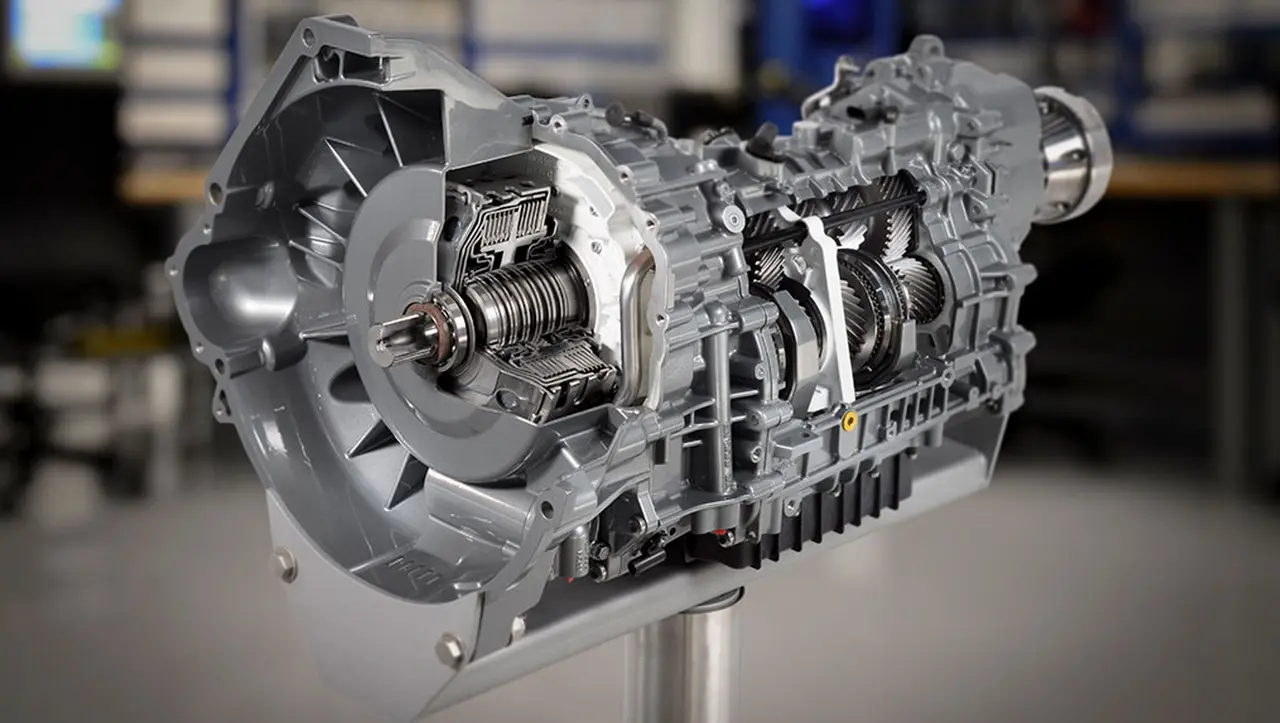
DCT Transmission (Dual Clutch): How It Works, Pros and Cons
Modern automatic transmissions have evolved significantly over the past two decades, offering better fuel economy, faster gear changes, and a more engaging driving experience. One of the most advanced transmission technologies available today is the DCT (Dual Clutch Transmission).
Found in everything from affordable hatchbacks to high-performance sports cars, DCT gearboxes combine the efficiency of a manual transmission with the convenience of an automatic. But how do they actually work? Are they reliable? And are they the right choice for your driving style?
In this guide, we'll explain everything you need to know about DCT transmissions, including how they work, their advantages, disadvantages, common problems, maintenance requirements, and whether they're worth buying.
What Is a DCT Transmission?
A Dual Clutch Transmission (DCT) is an automated manual transmission that uses two separate clutches to operate odd and even gears independently.
Unlike a traditional automatic transmission that uses a torque converter, a DCT connects the engine to the wheels through clutch packs, allowing gears to be pre-selected before the previous gear is disengaged.
This design enables gear changes that are significantly faster than both conventional automatic and manual transmissions.
How Does a Dual Clutch Transmission Work?
A DCT essentially combines two manual transmissions into one housing.
One clutch controls:
-
1st gear
-
3rd gear
-
5th gear
-
7th gear (if equipped)
The second clutch controls:
-
2nd gear
-
4th gear
-
6th gear
-
Reverse gear (depending on design)
Here's how the system operates:
-
The vehicle accelerates in first gear.
-
At the same time, second gear is already pre-selected on the second shaft.
-
When it's time to shift, one clutch disengages while the other engages almost instantly.
-
Power delivery continues with virtually no interruption.
Because the next gear is always prepared in advance, shifts occur in milliseconds, resulting in exceptionally smooth and quick acceleration.
Types of DCT Transmissions
Not all DCT systems are identical. Manufacturers generally use one of two designs.
Dry Clutch DCT
Dry clutch systems operate similarly to a conventional manual clutch without being immersed in transmission fluid.
Advantages include:
-
Lower manufacturing cost
-
Reduced weight
-
Improved fuel efficiency
However, they are generally less suitable for heavy traffic and frequent stop-and-go driving because heat builds up more quickly.
Wet Clutch DCT
Wet clutch transmissions use clutch packs immersed in transmission oil.
Benefits include:
-
Better cooling
-
Higher torque capacity
-
Greater durability
-
Improved performance under heavy loads
Because of their superior heat management, wet-clutch DCTs are commonly used in larger vehicles, SUVs, and high-performance models.
Advantages of a DCT Transmission
A dual-clutch transmission offers several significant benefits.
Extremely Fast Gear Changes
One of the biggest advantages is lightning-fast shifting.
Since the next gear is already engaged internally, shift times are measured in milliseconds, improving acceleration and responsiveness.
Excellent Fuel Efficiency
Because a DCT eliminates the energy losses associated with a torque converter, fuel consumption is often lower than that of traditional automatic transmissions.
Sportier Driving Experience
Many drivers appreciate the direct connection between the engine and drivetrain.
Gear changes feel immediate, making the vehicle more engaging to drive.
Better Performance
DCT transmissions are widely used in sports cars because they maximize acceleration while maintaining continuous power delivery.
Manual Control
Most DCT-equipped vehicles offer manual gear selection using:
-
Paddle shifters
-
Gear lever manual mode
This gives drivers greater control without requiring a clutch pedal.
Disadvantages of a DCT Transmission
Despite its many strengths, a DCT is not perfect.
Less Comfortable in Heavy Traffic
Frequent stop-and-go driving can make some DCT systems feel less smooth than conventional automatics.
Drivers may notice:
-
Hesitation during take-off
-
Low-speed jerking
-
Clutch engagement vibrations
These characteristics are more common in dry-clutch systems.
More Complex Design
A DCT contains sophisticated electronic and mechanical components.
As a result:
-
Repairs are often expensive
-
Diagnosis requires specialized equipment
-
Replacement parts can be costly
Heat Build-Up
Extended periods of creeping in traffic, hill starts, or aggressive driving can generate excessive clutch heat.
Modern vehicles usually protect themselves by limiting transmission performance until temperatures decrease.
Common DCT Transmission Problems
Although reliability has improved significantly, several issues can still occur.
Common symptoms include:
-
Shuddering when starting
-
Rough gear shifts
-
Delayed acceleration
-
Gear slipping
-
Warning lights
-
Failure to engage gears
-
Transmission overheating
-
Unusual noises
Many of these problems originate from worn clutch packs, hydraulic faults, sensors, or the transmission control module.
Early diagnosis can often prevent more expensive repairs.
Which Manufacturers Use DCT Transmissions?
Dual-clutch technology is used by many manufacturers under different names.
Examples include:
-
Volkswagen Group (DSG/S tronic)
-
Ford (PowerShift)
-
Hyundai (DCT)
-
Kia (DCT)
-
Mercedes-Benz (7G-DCT, 8G-DCT)
-
BMW (DCT on performance models)
-
Porsche (PDK)
-
Renault (EDC)
-
Ferrari (F1 DCT)
-
Lamborghini (LDF)
-
Audi (S tronic)
Although the branding differs, the operating principle remains essentially the same.
DCT vs. Traditional Automatic Transmission
When comparing transmission types, each offers unique advantages.
DCT Transmission
Advantages:
-
Faster shifts
-
Better fuel economy
-
Superior acceleration
-
Sportier driving feel
Disadvantages:
-
Less refined in heavy traffic
-
More expensive repairs
-
Greater mechanical complexity
Torque Converter Automatic
Advantages:
-
Exceptionally smooth operation
-
Excellent reliability
-
Better suited to urban traffic
-
Lower sensitivity to driving style
Disadvantages:
-
Slightly slower gear changes
-
Marginally higher fuel consumption
Drivers prioritizing comfort often prefer torque converter automatics, while those seeking performance frequently choose DCT.
How to Extend the Life of a DCT Transmission
Proper driving habits and maintenance play a major role in transmission longevity.
To maximize service life:
-
Follow the manufacturer's transmission service intervals.
-
Replace transmission fluid when specified (for wet-clutch systems).
-
Avoid repeated aggressive launches.
-
Do not hold the vehicle on hills using the accelerator.
-
Use the brake pedal or hill-hold assist instead.
-
Minimize prolonged creeping in traffic whenever possible.
-
Have warning lights or shifting problems inspected promptly.
Ignoring small symptoms can lead to significantly higher repair costs later.
Is a DCT Transmission Reliable?
Modern dual-clutch transmissions are considerably more reliable than many early-generation systems.
Wet-clutch DCTs are generally regarded as more durable because transmission fluid continuously cools and lubricates the clutch packs.
Dry-clutch units can also provide long service life when driven appropriately and maintained according to manufacturer recommendations.
Reliability ultimately depends on:
-
Vehicle design
-
Driving conditions
-
Maintenance history
-
Software updates
-
Proper servicing
Is a DCT Transmission Worth Buying?
For many drivers, the answer is yes.
A DCT is an excellent choice if you:
-
Enjoy responsive acceleration.
-
Appreciate quick gear changes.
-
Want better fuel efficiency.
-
Frequently drive on highways or open roads.
However, if you spend most of your time in heavy urban traffic and prioritize maximum smoothness and long-term simplicity, a traditional torque converter automatic may be the better option.
Conclusion
A Dual Clutch Transmission (DCT) combines the efficiency of a manual gearbox with the convenience of an automatic, delivering exceptionally fast gear changes and impressive fuel economy. Thanks to its advanced engineering, it has become a popular choice for both everyday vehicles and high-performance cars.
While DCT transmissions offer excellent driving dynamics, they also require proper maintenance and sensible driving habits. Understanding how the system works—and recognizing early signs of potential problems—can help extend its lifespan and reduce repair costs.
When choosing your next vehicle, it's important to consider not only the engine but also the type of transmission. The right gearbox can significantly influence performance, comfort, reliability, and overall ownership costs.