TR
TR EN
EN

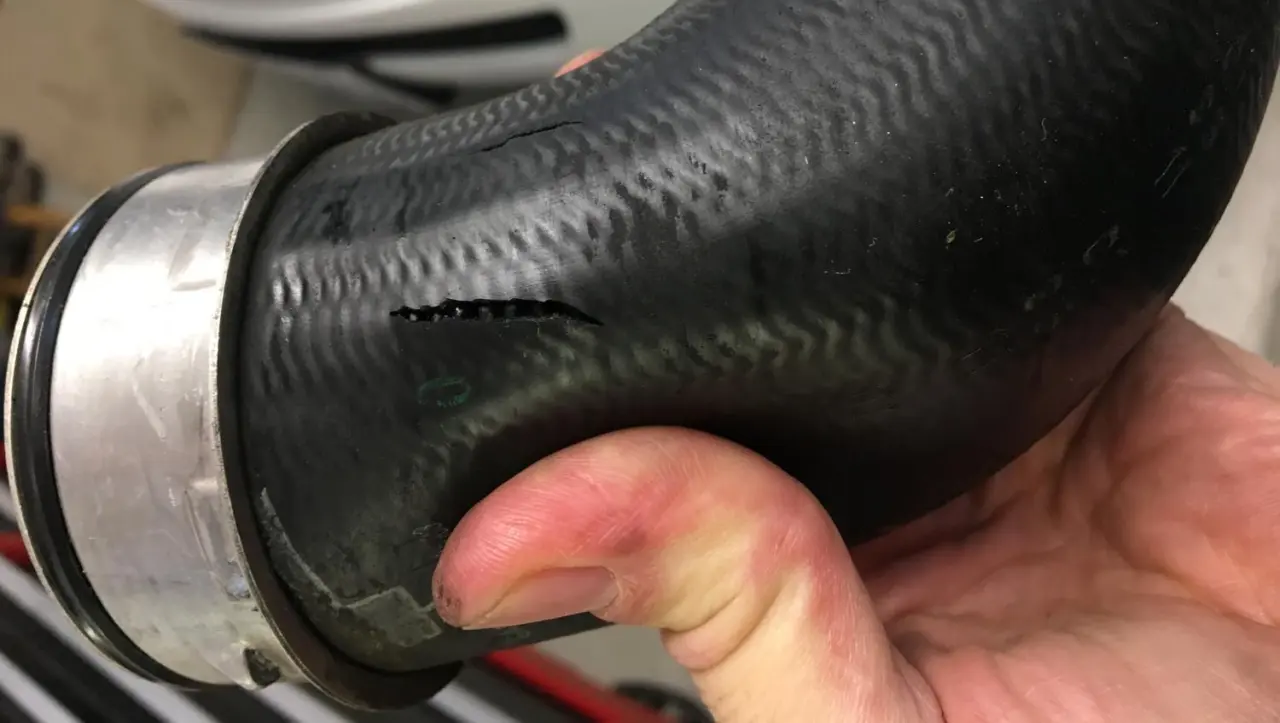
What Happens If a Turbo Hose Bursts? Signs of a Damaged Turbo Hose
In turbocharged vehicles, the intake system must remain completely sealed for the turbocharger to operate efficiently. One of the most important components in this system is the turbo hose, which carries pressurized air from the turbocharger to the intercooler and engine. A split or burst turbo hose is a common problem in both turbocharged diesel and gasoline vehicles.
So, what happens when a turbo hose fails, what symptoms should you look for, and is it safe to keep driving?
What Is a Turbo Hose?
A turbo hose is a reinforced air hose that carries compressed air from the turbocharger through the intercooler and into the engine's intake system.
If the hose develops a crack, tear, or burst, pressurized air escapes before reaching the engine. As a result, the engine receives less boost pressure than it needs, leading to a noticeable loss of performance.
Why Does a Turbo Hose Burst?
Turbo hoses are constantly exposed to high temperatures and boost pressure, causing them to wear over time.
Common causes include:
-
Aging rubber hoses
-
Cracks caused by heat and wear
-
Excessive turbo boost pressure
-
Low-quality aftermarket hoses
-
Oil contamination that softens the rubber
-
Loose or damaged hose clamps
-
Incorrect installation
-
Frequent hard acceleration or high-performance driving
Older vehicles are particularly susceptible because rubber hoses naturally deteriorate with age.
Loss of Engine Performance
The most noticeable symptom of a burst turbo hose is a significant loss of power.
You may experience:
-
Poor acceleration
-
Sluggish engine response
-
Reduced engine power
-
Little or no turbo boost
In severe cases, the vehicle may feel as though it has a naturally aspirated engine with no turbo assistance.
Whistling or Air Leak Noise
As pressurized air escapes through the damaged hose, you may hear unusual sounds such as:
-
A loud whistling noise
-
Hissing
-
Escaping air under acceleration
These noises usually become more noticeable when the turbo is building boost.
Black Exhaust Smoke
A damaged turbo hose can upset the engine's air-to-fuel ratio.
This is especially common in diesel engines, where insufficient air combined with continued fuel injection may produce:
-
Black exhaust smoke
-
Excessive soot
This occurs because the engine receives less air than expected while fuel delivery remains relatively unchanged.
Check Engine Light
Modern vehicles continuously monitor boost pressure using various sensors.
If a turbo hose leaks, the engine control unit (ECU) may detect abnormal readings and trigger fault codes related to:
-
Low boost pressure
-
Airflow problems
-
Turbocharger performance
As a result, the check engine light may illuminate.
Increased Fuel Consumption
A leaking turbo hose reduces engine efficiency.
This can lead to:
-
Higher fuel consumption
-
Reduced fuel economy
-
Lower performance despite increased fuel usage
Can You Drive with a Torn Turbo Hose?
In many cases, the vehicle will still be drivable if the leak is relatively small.
However, continuing to drive for an extended period is not recommended.
Driving with a damaged turbo hose can result in:
-
Reduced engine performance
-
Increased fuel consumption
-
Poor engine operation
-
Additional stress on the turbocharger
Some vehicles may also enter limp mode, limiting engine power to protect critical components.
Can a Burst Turbo Hose Damage the Turbocharger?
A burst hose does not usually damage the turbocharger immediately.
However, prolonged operation with a boost leak may:
-
Disrupt normal boost pressure regulation
-
Force the turbocharger to work harder
-
Increase wear under sustained high-load driving
Repairing the leak promptly helps prevent unnecessary strain on the turbo system.
How to Inspect a Turbo Hose
A visual inspection can often reveal obvious problems.
Look for:
-
Oil residue on or around the hose
-
Cracks
-
Tears
-
Swelling
-
Loose clamps
-
Split sections
Oil around the turbo hose is often a sign of a boost leak because small amounts of oil vapor naturally travel through the intake system.
Don't Forget the Intercooler Hoses
The problem is not always located in the main turbo outlet hose.
Leaks may also occur in:
-
Intercooler hoses
-
Charge pipes
-
Plastic intake connectors
-
Hose couplings
For this reason, the entire boost system should be inspected rather than focusing on a single hose.
Can a Turbo Hose Be Repaired?
Small cracks are sometimes patched temporarily, but these repairs are rarely reliable.
In most cases, the best solution is to:
-
Replace the damaged hose
-
Install new hose clamps if necessary
Using a high-quality replacement hose designed to withstand boost pressure is essential for long-term reliability.
Conclusion
A burst turbo hose can significantly reduce engine performance by allowing pressurized air to escape before it reaches the engine.
The most common symptoms include:
-
Loss of power
-
Poor acceleration
-
Whistling or hissing noises
-
Black exhaust smoke
-
Check engine light
-
Increased fuel consumption
Because a turbocharged engine relies on a completely sealed intake system, any boost leak should be diagnosed and repaired as soon as possible. Replacing a damaged turbo hose early can restore engine performance, improve fuel efficiency, and help prevent unnecessary stress on the turbocharger.