TR
TR EN
EN

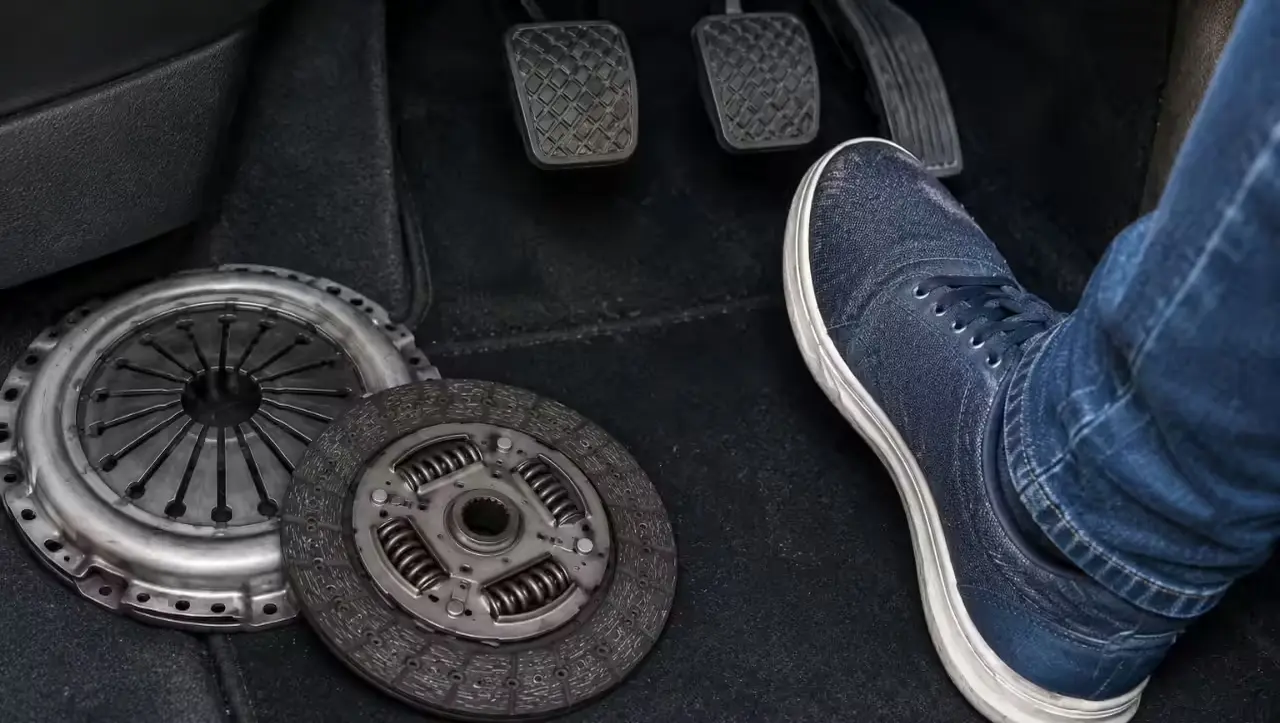
Why Does the Clutch Become Stiff? Why Does the Clutch Pedal Become Heavy?
When driving, a clutch pedal that becomes harder than normal can seriously reduce driving comfort. Especially in heavy city traffic, a stiff clutch pedal can make driving tiring, and in some cases it may indicate a more serious mechanical problem. So, why does the clutch become stiff, which parts cause this problem, and how can a hard clutch pedal be diagnosed?
The clutch system is one of the most important mechanisms that connects the engine and the transmission. Stiffness in the pedal is usually caused by mechanical wear, clutch pressure plate problems, or hydraulic system failures.
Some vehicles may naturally have a slightly firm clutch pedal from the factory. However, a clutch pedal that becomes noticeably heavier over time usually indicates a problem.
Why Does the Clutch Become Stiff?
There can be many different reasons why a clutch pedal becomes harder to press.
The most common causes are:
-
Worn clutch pressure plate and clutch disc
-
Clutch cable problems
-
Clutch master or slave cylinder failure
-
Release bearing problems
-
Transmission-related issues
-
Sticking clutch pedal mechanism
-
Use of poor-quality aftermarket clutch components
Especially in older vehicles, mechanical wear can cause the clutch pedal to become increasingly heavy.
The Clutch Pressure Plate Can Cause a Stiff Pedal
One of the most common causes is the clutch pressure plate system.
The pressure plate springs can over time:
-
Become harder
-
Operate unevenly
-
Wear out
As a result, pressing the clutch pedal becomes more difficult.
Poor-quality aftermarket clutch kits can also create an excessively stiff pedal feeling in some vehicles.
The Clutch Cable May Become Stiff
In vehicles using a cable-operated clutch system, the clutch cable can over time:
-
Rust
-
Dry out
-
Create friction
This causes the clutch pedal to become heavier.
Sometimes the cable can create serious stiffness before it completely breaks.
There May Be a Problem with the Hydraulic Clutch System
In vehicles with hydraulic clutch systems, problems with:
-
Clutch master cylinder
-
Clutch slave cylinder
-
Hydraulic leaks
can affect pedal operation.
In some cases, the pedal may become both stiff and inconsistent.
The Clutch Release Bearing Can Cause Problems
When the clutch release bearing becomes faulty, the following symptoms may appear:
-
Heavy clutch pedal
-
Noise
-
A sticking or rough feeling
A rubbing or grinding sound when pressing the clutch pedal is an important warning sign.
The Pedal Mechanism May Be Sticking
Sometimes the problem is not directly related to the clutch system but the pedal mechanism itself.
Especially:
-
Rust
-
Dirt buildup
-
Lack of lubrication
can cause the pedal to become stiff.
What Symptoms Appear Along with a Stiff Clutch?
A stiff clutch pedal usually appears together with other symptoms.
For example:
-
Difficulty shifting gears
-
Change in clutch engagement point
-
Noise from the clutch area
-
Vibration
-
Jerking during takeoff
may occur.
Does a Stiff Clutch Damage the Vehicle?
A stiff clutch that is ignored for a long time can damage:
-
The clutch pressure plate system
-
The transmission
-
The clutch release bearing
It can also negatively affect driving safety and comfort.
Can a Stiff Clutch Leave You Stranded?
In some cases, yes.
Especially if:
-
The clutch cable breaks
-
The hydraulic cylinder completely fails
the clutch system may stop working.
This can make gear changes impossible.
How Is a Stiff Clutch Checked?
During inspection, the following are checked:
-
Pedal stiffness
-
Clutch engagement point
-
Gear shifting operation
-
Unusual noises
If necessary, the following components should be examined:
-
Clutch cable
-
Hydraulic system
-
Clutch kit
Does Replacing the Clutch Kit Solve the Problem?
If the problem is caused by the clutch system, replacing the clutch kit can solve the issue.
However, not only the clutch disc but also:
-
Pressure plate
-
Release bearing
-
Flywheel (if necessary)
should be evaluated together.
Replacing only one component may cause new problems in a short time.
Does a Stiff Clutch Feel the Same in Every Vehicle?
No. Some vehicles naturally have a firmer clutch design from the factory.
Especially:
-
Commercial vehicles
-
Performance vehicles
-
Models with heavy-duty clutch systems
may feel harder.
The important point is whether the pedal stiffness has increased abnormally over time.
Conclusion
A stiff clutch pedal is usually caused by problems with the clutch pressure plate system, clutch cable, or hydraulic system.
Especially symptoms such as:
-
A heavier clutch pedal
-
Difficulty shifting gears
-
Noise coming from the clutch system
should not be ignored.
Clutch problems that are diagnosed early can usually be repaired at a lower cost, while long-term neglected issues can lead to more expensive transmission and clutch repairs.