TR
TR EN
EN

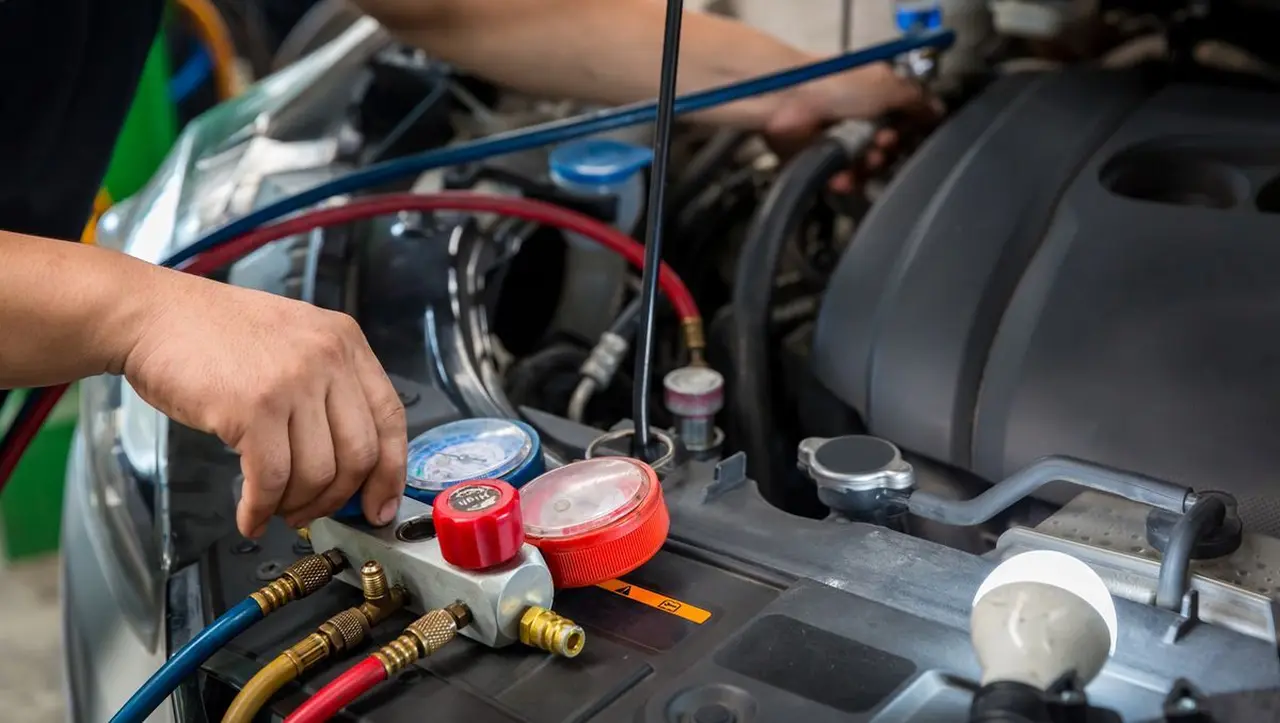
How Long Does Car A/C Refrigerant Last? Signs Your Car's A/C Refrigerant Is Low
A properly functioning air conditioning system is essential for comfortable driving, especially during hot summer months. If your car's A/C is no longer cooling effectively, one of the first things many drivers suspect is low refrigerant. But how long does A/C refrigerant actually last, why does it decrease, and how can you tell when it's running low?
Unlike engine oil or coolant, A/C refrigerant is not a consumable fluid. It circulates inside a sealed system and, under normal conditions, should last for many years without needing replacement. However, small leaks, worn seals, aging components, or damage to the A/C system can gradually reduce the refrigerant level over time.
How Long Does Car A/C Refrigerant Last?
There is no fixed replacement interval for automotive A/C refrigerant. In many vehicles, it can last:
-
3 to 5 years without noticeable performance loss
-
Much longer if the A/C system remains completely sealed
If the system is in good condition, refrigerant may never require refilling during the vehicle's lifetime.
However, as vehicles age, components such as:
-
O-ring seals
-
Refrigerant hoses
-
Compressor shaft seals
can wear out, allowing small amounts of refrigerant to escape.
Why Does A/C Refrigerant Run Low?
Refrigerant doesn't get "used up" during operation. When the refrigerant level drops, it's almost always due to a leak.
Common causes include:
-
Leaking A/C hoses
-
Worn compressor seals
-
Damaged condenser
-
Aging O-rings
-
Stone damage to the condenser
-
Poorly maintained A/C components
Even tiny leaks can gradually reduce refrigerant levels over several years.
Signs Your Car's A/C Refrigerant Is Low
Several symptoms may indicate low refrigerant.
Weak Cooling Performance
The most common symptom is reduced cooling efficiency.
You may notice:
-
The A/C blows cool instead of cold air
-
Cabin cooling takes much longer
-
The air isn't as cold as it used to be
The A/C Cools Intermittently
With low refrigerant, the air conditioner may cool properly one moment and blow warmer air the next.
Cooling performance may become especially inconsistent while idling.
The Compressor Cycles On and Off Frequently
Low refrigerant affects system pressure.
As a result:
-
The compressor may engage and disengage repeatedly
-
Cooling becomes inconsistent
Unusual Noises When the A/C Is Running
Insufficient refrigerant may produce:
-
Hissing sounds
-
Compressor noises
-
Pressure-related sounds
Windows Fog Up More Easily
Your vehicle's A/C system also removes humidity from the cabin.
When refrigerant is low, moisture removal becomes less effective, allowing the windows to fog up more easily.
Is Simply Refilling the Refrigerant Enough?
Not always.
If the system has a leak, adding refrigerant is only a temporary solution. The refrigerant will eventually escape again.
A proper repair should include:
-
Leak detection
-
Pressure testing
-
Repair or replacement of the faulty component
How Are Refrigerant Leaks Detected?
Professional A/C service centers typically use:
-
UV dye testing
-
Electronic leak detectors
-
Pressure testing
The condenser and hose connections are among the most common leak locations.
Can Low Refrigerant Damage the A/C System?
Yes.
When refrigerant levels become too low:
-
Compressor lubrication may be reduced
-
Compressor wear increases
-
Cooling performance may disappear completely
Continuing to operate the system with insufficient refrigerant can eventually lead to expensive compressor repairs.
How Long Does an A/C Refrigerant Recharge Take?
A complete A/C service usually includes:
-
Vacuuming the system
-
Recharging with refrigerant
-
Pressure testing
The entire process generally takes 30 to 60 minutes.
Do All Cars Use the Same Refrigerant?
No.
Different vehicles require different refrigerants.
The two most common types are:
-
R134a
-
R1234yf
Using the wrong refrigerant can damage the A/C system and should always be avoided.
When Should You Have Your A/C System Checked?
It's a good idea to have your A/C inspected if:
-
The air conditioner no longer cools effectively
-
Cooling performance has noticeably declined
-
The compressor cycles abnormally
-
Refrigerant has required frequent refills in the past
Many drivers choose to service their A/C system before the summer season begins.
Conclusion
Car A/C refrigerant is designed to last for many years in a properly sealed system. If cooling performance begins to decline, the problem is often caused by a refrigerant leak rather than normal refrigerant consumption.
Common warning signs include:
-
Weak cooling
-
Warm air from the vents
-
Frequent compressor cycling
-
Reduced dehumidification
Simply recharging the refrigerant is not always the correct solution. If a leak is present, it should be located and repaired first to restore reliable cooling performance and prevent more costly A/C repairs in the future.