TR
TR EN
EN

Why Does Engine Coolant Keep Disappearing?
Engine coolant (antifreeze) is one of the most important fluids in a vehicle, as it keeps the engine operating at its ideal temperature. Although a drop in coolant level may seem like a minor issue, it can often be an early warning sign of serious engine problems. So, why does engine coolant disappear, how can you recognize it, and when should you be concerned?
The cooling system is designed as a sealed system, meaning the coolant level should normally remain stable. If you have to top it up regularly, there may be a leak, internal engine problem, or excessive evaporation caused by a faulty component.
Common Causes of Engine Coolant Loss
Engine coolant can decrease for several different reasons.
The most common causes include:
-
Radiator leaks
-
Cracked coolant hoses or loose hose clamps
-
Water pump failure
-
Thermostat problems
-
Cracked coolant expansion tank
-
Blown head gasket
-
Heater core leaks
-
Faulty radiator cap
Even a very small leak can result in significant coolant loss over time.
Radiator and Hose Leaks
External coolant leaks are among the most common causes of coolant loss.
The following components should be inspected:
-
Radiator core
-
Upper and lower radiator hoses
-
Hose clamps
-
Coolant expansion tank
Small cracks may only leak when the engine reaches operating temperature and the cooling system is under pressure.
Water Pump Failure
The water pump circulates coolant throughout the engine.
If it fails:
-
Coolant may leak.
-
System pressure can decrease.
-
The engine may begin to overheat.
In some vehicles, water pump leaks only become visible while the engine is running.
Thermostat Problems
A faulty thermostat can affect coolant circulation.
Possible symptoms include:
-
Engine taking longer to warm up
-
Irregular engine temperature
-
Poor coolant circulation
Although the thermostat may not directly cause coolant loss, it can contribute to overheating and pressure-related issues.
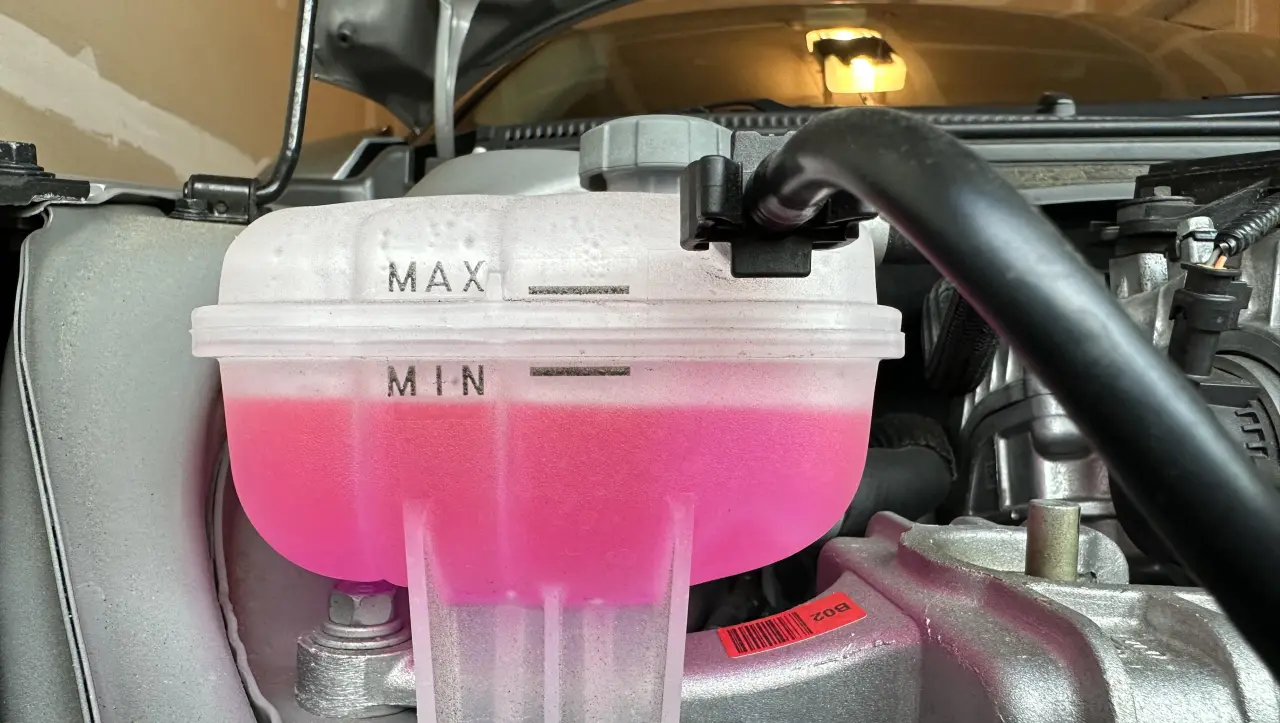
Cracked Coolant Expansion Tank
Most coolant reservoirs are made of plastic and can crack over time.
Common causes include:
-
Repeated heat cycles
-
Aging
-
Physical impact
Small cracks often result in slow but continuous coolant loss.
Heater Core Leaks
If coolant is disappearing and you notice signs inside the cabin, the heater core may be leaking.
Common symptoms include:
-
Sweet antifreeze smell inside the vehicle
-
Fogging windows
-
Wet carpet or floor mats
These symptoms usually indicate an internal coolant leak.
Faulty Radiator Cap
The radiator cap maintains the correct pressure within the cooling system.
If the cap fails:
-
Coolant may evaporate.
-
Coolant may overflow.
-
System pressure may drop.
A faulty radiator cap can lead to gradual coolant loss.
Blown Head Gasket
A blown head gasket is one of the most serious causes of coolant loss.
When the head gasket fails:
-
Coolant can enter the combustion chamber.
-
White smoke may come from the exhaust.
-
Engine oil and coolant may mix.
-
Coolant loss becomes continuous.
Immediate inspection is recommended if these symptoms appear.
Symptoms of Low Engine Coolant
Common warning signs include:
-
Constant coolant loss
-
Engine overheating
-
Weak cabin heater performance
-
Visible coolant leaks around the radiator
-
White exhaust smoke
Is Low Engine Coolant Dangerous?
Yes. Driving with insufficient coolant can cause severe engine damage.
If ignored, it may lead to:
-
Engine overheating
-
Blown head gasket
-
Warped cylinder head
-
Complete engine failure
Repair costs can increase significantly if the problem is not addressed early.
How Is Coolant Loss Diagnosed?
Technicians typically perform the following tests:
-
Visual leak inspection
-
Cooling system pressure test
-
Cooling system diagnostic testing
-
Exhaust gas inspection
Some coolant leaks only appear when the engine is fully warmed up and under pressure.
Conclusion
Engine coolant loss should never be ignored. While it may be caused by a minor external leak, it can also indicate serious engine problems.
The most common causes include:
-
Radiator leaks
-
Damaged coolant hoses
-
Water pump failure
-
Blown head gasket
Regular inspection of the cooling system and prompt repairs can help prevent overheating and expensive engine damage.