TR
TR EN
EN

What Causes Engine RPM Fluctuation? How to Fix an Unstable Idle
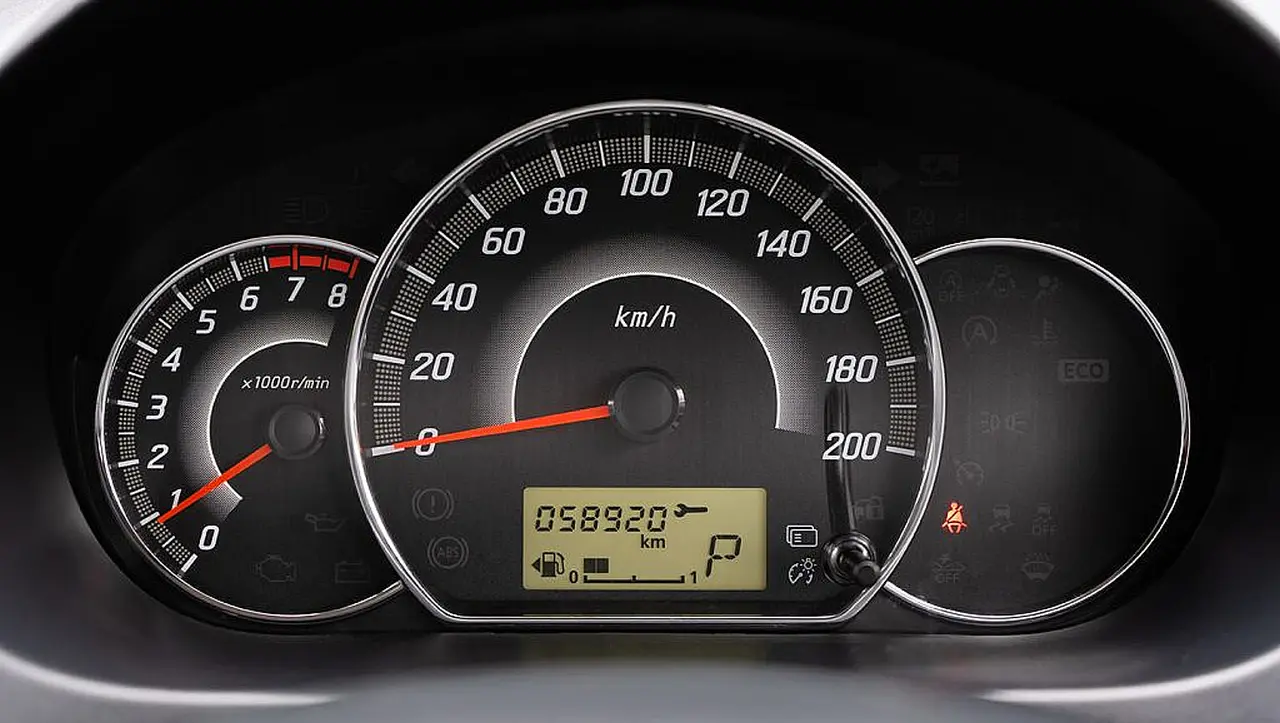
When a vehicle is idling, the engine speed (RPM) should remain steady. If the RPM gauge constantly moves up and down or the engine fails to maintain a stable idle, it is known as idle fluctuation or unstable idle. This issue can occur in both gasoline and diesel vehicles. So, what causes RPM fluctuations, what do they indicate, and how can they be fixed?
Idle speed is the engine's operating speed when no throttle is applied. Under normal conditions, the RPM remains stable. However, when there is a fault in the air, fuel, or ignition system, the engine cannot maintain the correct air-fuel mixture, causing the RPM to fluctuate.
Common Causes of Engine RPM Fluctuation
There are many possible reasons for an unstable idle. The most common include:
-
Dirty throttle body
-
Vacuum leaks (air leaks)
-
Faulty EGR valve
-
Idle Air Control (IAC) valve problems
-
Fuel injector issues
-
Spark plug or ignition coil faults
-
Faulty Mass Air Flow (MAF) sensor
-
Low fuel pressure
-
Incorrect LPG system adjustment
In some cases, even a single faulty sensor can cause noticeable idle instability.
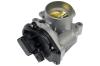
Dirty Throttle Body
The throttle body controls the amount of air entering the engine.
Over time, it can:
-
Become dirty
-
Accumulate carbon deposits
-
Stick or move less freely
When this happens, the engine cannot receive the correct amount of air, causing unstable RPM.
Common symptoms include:
-
Fluctuating idle
-
Delayed throttle response
-
Engine stalling tendency
Vacuum Leaks
The engine's intake system is designed to be airtight. Any leak can upset the air-fuel mixture.
Common leak locations include:
-
Turbo hoses
-
Vacuum hoses
-
Intake manifold gaskets
Excess air entering the engine causes unstable combustion and fluctuating RPM.
Faulty EGR Valve
The Exhaust Gas Recirculation (EGR) valve sends a portion of exhaust gases back into the engine.
If it becomes clogged or stuck:
-
Combustion efficiency decreases
-
Engine operation becomes rough
-
Idle speed fluctuates
This issue is particularly common in diesel vehicles.
Idle Air Control (IAC) Valve Problems
Some vehicles use an Idle Air Control valve to regulate idle speed.
If the IAC valve fails:
-
Idle speed becomes unstable
-
The engine may stall
-
Engine vibrations may increase
Faulty MAF Sensor
The Mass Air Flow (MAF) sensor measures the amount of air entering the engine.
If it malfunctions:
-
Incorrect airflow data is sent to the ECU
-
The air-fuel mixture becomes inaccurate
-
Engine RPM fluctuates
Fuel Injector and Fuel System Problems
If fuel is not delivered properly, the engine cannot run smoothly.
Possible causes include:
-
Clogged fuel injectors
-
Low fuel pressure
-
Dirty fuel filter
Incorrect LPG System Adjustment
In LPG-equipped vehicles, improper system calibration can lead to idle problems.
Possible causes include:
-
Incorrect fuel mixture
-
Faulty LPG pressure regulator
-
Injector calibration issues
Ignition System Problems
In gasoline engines, worn ignition components can cause unstable combustion.
Common causes include:
-
Worn spark plugs
-
Faulty ignition coils
These issues often result in rough idling and RPM fluctuations.
Symptoms of Idle Fluctuation
Common signs include:
-
RPM gauge constantly moving up and down
-
Engine vibration while idling
-
Engine stalling
-
Idle becoming worse when the air conditioner is turned on
-
Delayed throttle response
How to Fix Engine RPM Fluctuation
The appropriate solution depends on the root cause.
Throttle Body Cleaning
One of the most common fixes is cleaning the throttle body.
After cleaning:
-
Airflow improves
-
Idle speed becomes stable
Check for Vacuum Leaks
Inspect all intake and vacuum hoses for leaks.
Replace or repair any damaged components.
Test Engine Sensors
The MAF and MAP sensors should be inspected and tested.
Replace faulty sensors if necessary.
Clean the Fuel Injectors
Fuel system cleaning can restore proper fuel delivery and improve engine performance.
Recalibrate the LPG System
For LPG-equipped vehicles, proper system calibration may eliminate idle instability.
What Happens If Idle Fluctuation Is Ignored?
Ignoring the problem for an extended period can lead to:
-
Increased fuel consumption
-
Engine stalling
-
Catalytic converter damage
-
Reduced engine performance
Conclusion
Engine RPM fluctuation is usually caused by an imbalance in the engine's air-fuel mixture. The most common causes include:
-
Dirty throttle body
-
Vacuum leaks
-
Faulty sensors
-
Fuel injector problems
-
Improper LPG system adjustment
Although unstable idle may seem like a minor issue, it can eventually lead to more serious engine problems if left unresolved. Early diagnosis and timely maintenance are the best ways to restore smooth engine operation and prevent costly repairs.