TR
TR EN
EN

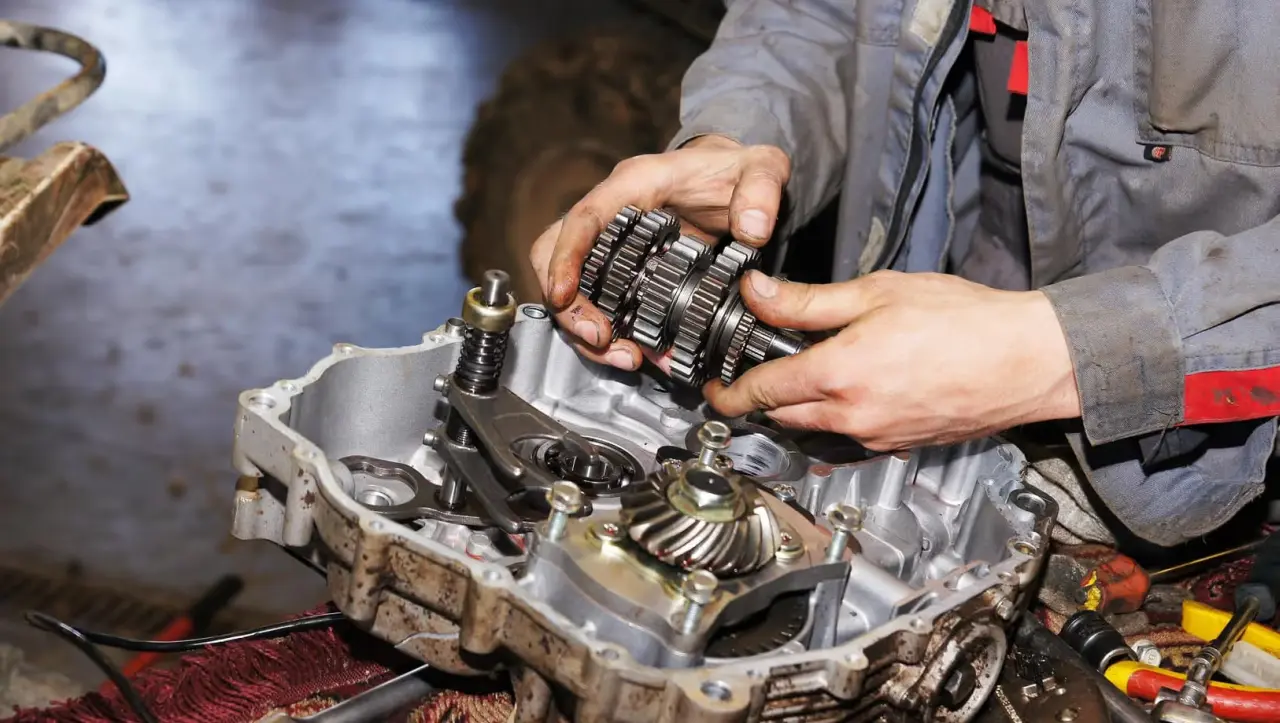
DSG Transmission Problems: Common Causes, Symptoms, and Practical Solutions
Dual-clutch transmissions have become one of the most popular automatic gearbox technologies thanks to their fast gear changes, sporty driving feel, and improved fuel efficiency. Among them, the DSG (Direct-Shift Gearbox) developed by the Volkswagen Group is widely used in Volkswagen, Audi, Škoda, SEAT, and CUPRA models.
Although DSG transmissions deliver excellent performance, their complex mechanical and electronic design means they can develop faults if they are poorly maintained or used under demanding conditions. Understanding the most common issues can help owners identify problems early and avoid expensive repairs.
What Is a DSG Transmission?
A DSG transmission is a dual-clutch automatic gearbox that uses two separate clutches to pre-select gears.
Typically:
-
One clutch controls the odd-numbered gears (1st, 3rd, 5th, 7th).
-
The other controls the even-numbered gears (2nd, 4th, 6th) and reverse.
While one gear is engaged, the next gear is already prepared, allowing almost seamless gear changes in just milliseconds.
Key advantages include:
-
Extremely fast gear shifts
-
Improved fuel economy
-
Sportier driving experience
-
Smooth acceleration under normal conditions
However, these benefits come with increased mechanical and electronic complexity.
Why Do DSG Transmissions Develop Problems?
Most DSG issues are caused by a combination of wear, maintenance, and driving conditions.
Common causes include:
-
Frequent stop-and-go city driving
-
Excessive clutch heat
-
Delayed or skipped transmission fluid changes (wet-clutch models)
-
Mechatronic unit failures
-
Aggressive acceleration and hard launches
-
Incorrect driving habits
-
Software or sensor faults
While not every DSG gearbox will experience these issues, proper maintenance significantly reduces the risk.
Common DSG Transmission Problems
Shuddering or Judder During Take-Off
One of the most common complaints is vibration when moving away from a standstill.
Typical symptoms include:
-
Shaking when pulling away
-
Jerky low-speed driving
-
Vibration in traffic
Possible causes:
-
Worn clutch packs
-
Overheated clutch components
-
Software calibration issues
Possible solutions:
-
Inspect the clutch assembly
-
Update transmission software if available
-
Replace worn clutch components when necessary
Harsh or Jerky Gear Changes
Gear shifts should normally be quick and smooth. Noticeable jolts may indicate a developing problem.
Symptoms include:
-
Hard shifts
-
Sudden jolts between gears
-
Rough acceleration
Possible causes:
-
Mechatronic unit malfunction
-
Hydraulic pressure problems
-
Faulty transmission sensors
Recommended actions:
-
Perform diagnostic scanning
-
Inspect hydraulic pressure
-
Repair or replace the mechatronic unit if required
Delayed Acceleration
Some drivers notice the engine revving while the vehicle hesitates before accelerating.
Possible symptoms:
-
Slow response after pressing the accelerator
-
Engine speed increases without matching vehicle speed
-
Temporary loss of power
Possible causes:
-
Clutch slipping
-
Worn clutch packs
-
Internal hydraulic pressure loss
Solutions:
-
Clutch inspection
-
Pressure system testing
-
Transmission overhaul in severe cases
Transmission Overheating
DSG transmissions can become hot during prolonged stop-and-go traffic or heavy towing.
Symptoms:
-
Warning messages on the dashboard
-
Reduced performance
-
Temporary limp mode
Possible causes:
-
Continuous heavy traffic
-
Excessive clutch slipping
-
Cooling system issues
Recommended solutions:
-
Allow the transmission to cool
-
Check transmission cooling components
-
Inspect transmission fluid condition (wet-clutch DSG)
Gearbox Warning Light or Failure to Engage Gears
More serious DSG failures may prevent the vehicle from selecting gears.
Common symptoms:
-
Gearbox warning light
-
Vehicle stuck in one gear
-
Failure to engage Drive or Reverse
Possible causes:
-
Mechatronic failure
-
Electronic control module issues
-
Damaged sensors
-
Internal gearbox faults
Recommended action:
A professional diagnostic inspection should be carried out immediately to prevent additional damage.
Dry-Clutch vs. Wet-Clutch DSG
Not all DSG transmissions are identical.
Dry-Clutch DSG (DQ200)
Commonly found in lower-powered vehicles.
Advantages:
-
Lower weight
-
Better fuel economy
-
Lower production cost
Disadvantages:
-
More sensitive to heat
-
Faster clutch wear in city traffic
-
Higher likelihood of clutch-related issues under heavy use
Wet-Clutch DSG (DQ250, DQ381, DQ500 and others)
Designed for higher torque applications.
Advantages:
-
Better cooling
-
Greater durability
-
More suitable for demanding driving
-
Generally longer service life
Disadvantages:
-
Requires regular transmission fluid and filter changes
-
Maintenance costs are slightly higher
How to Extend the Life of a DSG Transmission
Good driving habits can significantly increase transmission longevity.
Recommended practices include:
-
Avoid aggressive launches.
-
Do not shift between Drive and Reverse before the vehicle has completely stopped.
-
Use the brake rather than the accelerator to hold the vehicle on hills.
-
Follow the manufacturer's transmission service schedule.
-
Avoid unnecessary clutch slipping in heavy traffic.
-
Install software updates released by the manufacturer.
-
Have unusual noises or vibrations inspected early.
Is a DSG Transmission Reliable?
There is no simple yes-or-no answer.
A well-maintained DSG transmission can provide many years of reliable service while offering excellent performance and fuel efficiency.
However, neglected maintenance or improper driving habits can result in costly repairs, particularly involving:
-
Clutch packs
-
Mechatronic units
-
Hydraulic systems
Vehicles equipped with wet-clutch DSG transmissions generally have a stronger long-term reliability record, especially when serviced according to the manufacturer's recommendations.
Should You Buy a Car with a DSG Transmission?
A DSG-equipped vehicle can be an excellent choice if you value:
-
Fast gear changes
-
Responsive acceleration
-
Improved fuel economy
-
Modern driving performance
Before purchasing a used vehicle with a DSG gearbox, it is advisable to:
-
Review the service history.
-
Confirm that scheduled transmission maintenance has been completed.
-
Test drive the vehicle thoroughly.
-
Check for hesitation, vibration, or harsh gear changes.
-
Have the transmission inspected by a qualified technician if any concerns arise.
Final Thoughts
DSG transmissions combine the efficiency of a manual gearbox with the convenience of an automatic, making them one of the most advanced transmission technologies available today.
Like any sophisticated mechanical system, they require proper maintenance and responsible driving habits. Detecting early warning signs—such as shuddering, delayed engagement, or rough shifting—can prevent much more expensive repairs later.
For buyers and owners alike, understanding how DSG gearboxes work is the best way to enjoy their performance while minimizing long-term ownership costs.