TR
TR EN
EN

Does Exhaust Popping Damage the Engine?
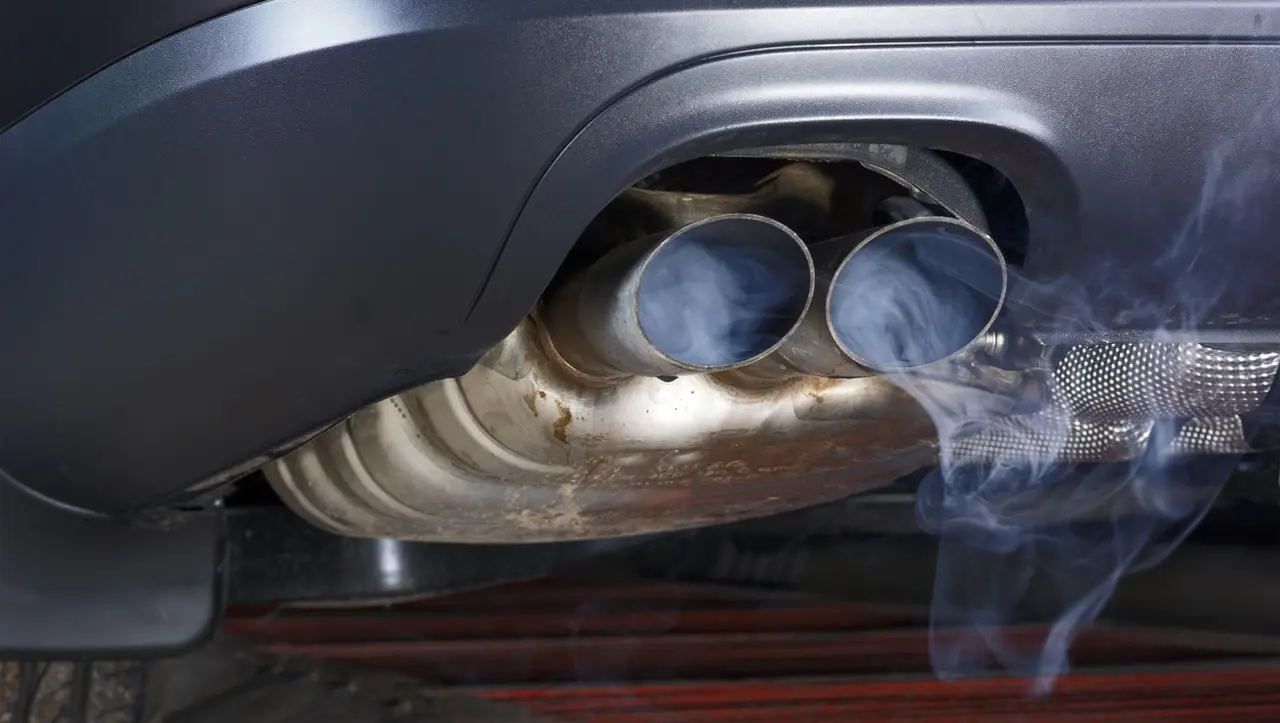
Exhaust popping is a common phenomenon, especially in performance cars and modified vehicles. The popping, crackling, or banging sounds heard from the exhaust when lifting off the throttle may sound exciting to many enthusiasts, but the technical reality is not always harmless. So, does exhaust popping damage the engine, and what causes it?
Exhaust popping occurs when unburned fuel ignites inside the exhaust system. In some cases, this effect is intentionally created through ECU tuning, while in others it may be a symptom of an underlying engine problem.
What Causes Exhaust Popping?
The primary cause of exhaust popping is unburned fuel entering the exhaust system.
The most common causes include:
-
Rich air-fuel mixture
-
Ignition timing delays
-
Faulty spark plugs or ignition coils
-
Pop & Bang ECU tuning
-
Driving near the rev limiter
-
Incorrect ECU calibration
-
Exhaust leaks
This phenomenon is particularly common in turbocharged gasoline engines.
How Does Exhaust Popping Occur?
Under normal conditions, combustion takes place inside the engine cylinders.
However, in some situations:
-
Fuel does not burn completely.
-
Unburned fuel enters the exhaust system.
-
The high exhaust temperature ignites the remaining fuel.
This ignition creates the characteristic popping or crackling sounds.
The noise is usually most noticeable during deceleration or gear changes.
Can Exhaust Popping Damage the Engine?
The answer depends on what is causing the exhaust popping.
Pop & Bang ECU Tune
If the vehicle has been intentionally programmed with a Pop & Bang tune:
-
It places additional stress on the exhaust system.
-
It can increase turbocharger temperatures.
-
It may damage the catalytic converter.
Over time, it can contribute to:
-
Catalytic converter blockage or failure
-
Reduced turbocharger lifespan
-
Increased wear on exhaust components
Engine-Related Exhaust Popping Is More Serious
If the popping occurs due to a mechanical or electrical fault, it should not be ignored.
Common causes include:
-
Ignition system problems
-
An excessively rich fuel mixture
-
Faulty fuel injectors
These issues indicate that the engine is not operating correctly.
As a result:
-
Fuel consumption may increase.
-
Engine performance may decrease.
-
The catalytic converter may be damaged.
Can Exhaust Popping Damage the Catalytic Converter?
Yes.
The catalytic converter is one of the components most vulnerable to damage.
Burning excess fuel inside the exhaust system can:
-
Generate excessive heat
-
Damage the catalyst substrate
-
Cause internal melting or blockage
Catalytic converter replacement can be expensive.
Is the Risk Higher in Turbocharged Vehicles?
Yes.
In turbocharged engines, frequent exhaust popping can:
-
Increase turbocharger operating temperatures
-
Shorten turbocharger lifespan
-
Affect exhaust back pressure
Frequent and prolonged popping increases the risk of component wear.
Is Exhaust Popping Normal?
There are two different situations.
1. Intentional Pop & Bang Tuning
This is designed to produce aggressive exhaust sounds for performance or aesthetic purposes.
Although intentional, it may increase wear on exhaust components over time.
2. Fault-Related Exhaust Popping
This is not considered normal and should be inspected as soon as possible.
Symptoms of Exhaust Popping
Common signs include:
-
Popping sounds during deceleration
-
Flames from the exhaust (on some modified vehicles)
-
Popping accompanied by engine vibration
-
Increased fuel consumption
-
Check Engine Light illumination
How Can Exhaust Popping Be Prevented?
If the popping is caused by a fault, the following components should be inspected:
-
Spark plugs and ignition coils
-
Fuel injectors
-
Fuel system
-
ECU software and calibration
-
Catalytic converter
Correct diagnosis and repair will usually eliminate the problem.
Is Exhaust Popping Legal?
Vehicles that produce excessive exhaust noise may violate local traffic and noise regulations.
In many regions, modified exhaust systems that exceed legal noise limits can result in fines or inspection failures.
Conclusion
Although exhaust popping can be an intentional performance modification, frequent or excessive popping may shorten the lifespan of exhaust components. The catalytic converter and turbocharger are typically the most affected parts.
If exhaust popping occurs because of an engine fault rather than an ECU tune, it should never be ignored. Even a relatively minor ignition or fuel system issue can eventually lead to expensive engine and exhaust system repairs if left unresolved.