TR
TR EN
EN

How to Respond to an Overheating Car: What You Should and Shouldn't Do
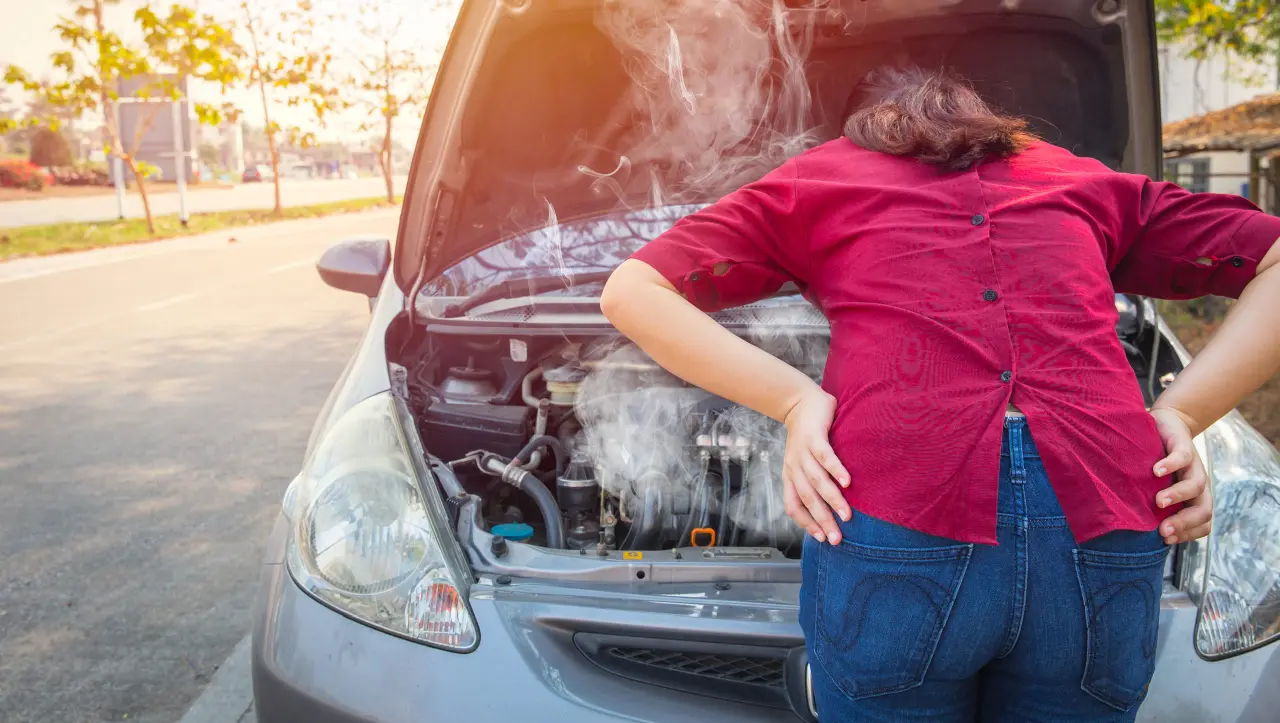
An overheating engine is one of the most serious problems a driver can encounter. When the engine temperature rises above its normal operating range, severe engine damage can occur within a short period. Continuing to drive an overheating vehicle may result in expensive repairs such as a blown head gasket, a warped cylinder head, or even complete engine seizure. So, what should you do if your car overheats, and what mistakes should you avoid?
An engine is designed to operate within a specific temperature range. This is maintained by the cooling system, which consists of the radiator, coolant (antifreeze), thermostat, cooling fan, and water pump. A failure in any of these components can cause the engine to overheat.
What Should You Do First If Your Car Overheats?
If you notice the temperature gauge rising, stay calm.
First:
-
Turn off the air conditioning.
-
Pull over to a safe location.
-
Avoid putting additional strain on the engine.
If possible, drive gently at low engine speeds until you can stop safely.
Should You Turn the Engine Off Immediately?
The answer depends on how severe the overheating is.
If:
-
The engine temperature is extremely high
-
Steam is coming from under the hood
-
The temperature warning light is illuminated
the vehicle should be stopped immediately.
However, in some cases, letting the engine idle for a short period before shutting it off may be the better option.
This is particularly important for turbocharged vehicles, as switching off an extremely hot engine immediately may shorten the life of the turbocharger.
Turning On the Heater May Help
As a temporary measure:
-
Set the heater to its highest temperature.
-
Turn on the cabin fan.
This can help reduce engine temperature because the heater core also dissipates heat from the engine's cooling system.
Be Careful When Opening the Hood
The engine compartment may contain high temperatures and pressurized steam.
Therefore:
-
Be cautious if steam is present.
-
Do not place your face directly over the hood.
Never Open the Radiator Cap While the Engine Is Hot
This is one of the most dangerous mistakes.
Opening the radiator cap while the engine is hot can cause:
-
Boiling coolant to spray out
-
Serious burns
Always wait until the engine has cooled before removing the radiator cap.
Is It Harmful to Pour Cold Water on an Overheated Engine?
Yes.
Pouring cold water onto a very hot engine can cause:
-
Cracks in the cylinder head
-
Thermal deformation of metal components
Allow the engine to cool naturally before adding coolant or water.
Common Causes of Engine Overheating
Engine overheating can occur for many different reasons.
The most common causes include:
-
Low coolant level
-
Radiator leaks
-
Cooling fan failure
-
Faulty thermostat
-
Water pump failure
-
Burst coolant hoses
-
Blown head gasket
Even a small coolant leak can eventually lead to serious overheating.
A Faulty Cooling Fan Can Cause Overheating
This is especially common during city driving.
If the radiator fan is not operating correctly:
-
Engine temperature can rise rapidly.
Common causes include a faulty fan switch or a failed cooling fan motor.
Low Coolant Level Is a Serious Risk
When the coolant level drops:
-
The engine cannot cool efficiently.
-
Overheating becomes more likely.
For this reason, the coolant expansion tank should be checked regularly.
Signs of a Blown Head Gasket
If you notice any of the following after an overheating incident:
-
White exhaust smoke
-
Continuous coolant loss
-
Oil and coolant mixing together
the cylinder head gasket may have been damaged.
Can You Continue Driving an Overheating Vehicle?
It is strongly discouraged.
Continuing to drive can result in:
-
Severe engine damage
-
A blown head gasket
-
A warped cylinder head
Even driving a short distance can significantly increase repair costs.
What Should Be Checked After the Engine Cools Down?
Once the engine has cooled completely, inspect:
-
Coolant level
-
Coolant hoses
-
Cooling fan operation
-
Any signs of leaks
If the problem persists, the vehicle should be inspected by a qualified technician.
Conclusion
Responding correctly to an overheating engine can prevent major engine damage, while improper actions may lead to costly repairs.
The most important precautions include:
-
Do not continue driving an overheating vehicle.
-
Never remove the radiator cap while the engine is hot.
-
Never pour cold water onto a hot engine.
Engine overheating should never be ignored. The cooling system should be thoroughly inspected as soon as possible, as early diagnosis and repair can help prevent severe engine damage and costly repairs.