TR
TR EN
EN

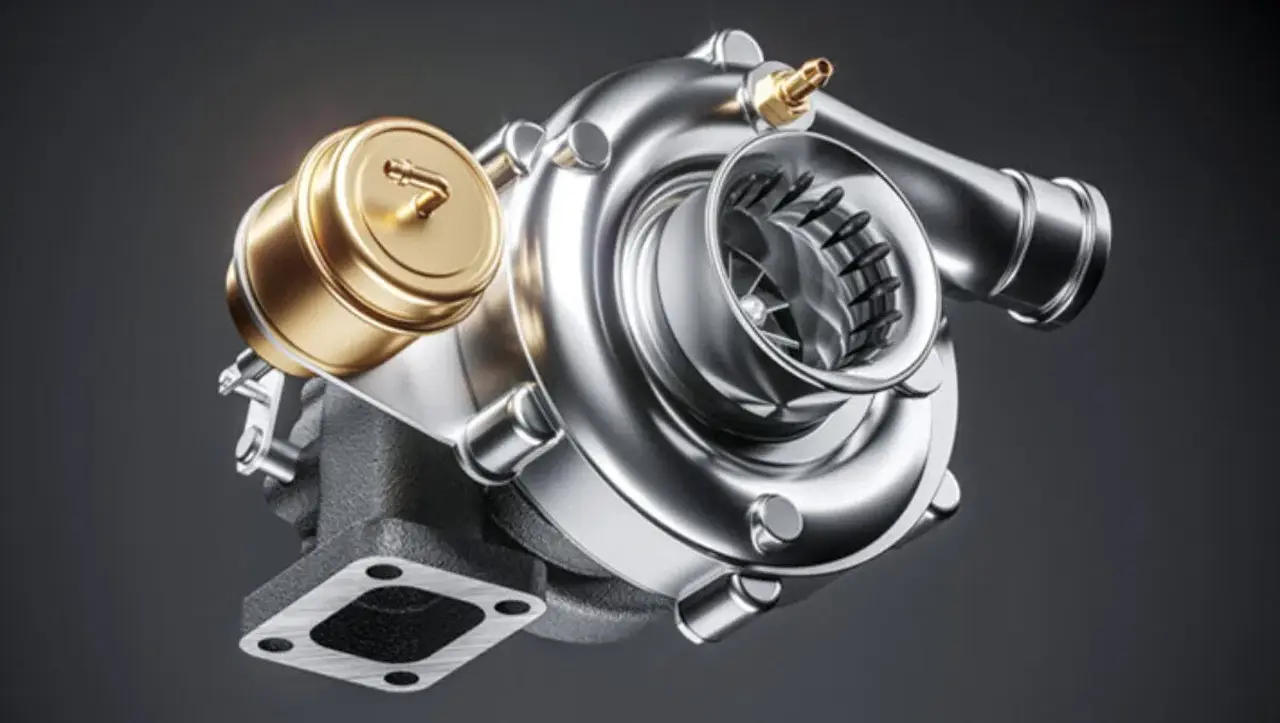
How Many Kilometers Does a Turbocharger Last?
The turbocharger is one of the most important engine components used in modern vehicles to increase performance while improving fuel efficiency. Although turbochargers have long been common in diesel vehicles, they are now widely used in many gasoline engines as well. One of the most common questions among drivers is how long a turbocharger lasts and at what mileage it is likely to fail. So, what is the average lifespan of a turbocharger, and which factors affect its durability?
When properly maintained and operated, a turbocharger can last for a very long time. However, improper driving habits and neglected maintenance can significantly shorten its service life.
What Is the Average Lifespan of a Turbocharger?
In general, a turbocharger can operate reliably for approximately 150,000 to 300,000 kilometers.
With regular maintenance, some turbochargers can even exceed 400,000 kilometers.
Its lifespan largely depends on:
-
Driving habits
-
Engine oil maintenance
-
Overall engine condition
Why Does a Turbocharger Wear Out?
A turbocharger operates at extremely high rotational speeds.
Some turbochargers can spin at speeds of up to 200,000 RPM.
For this reason, the following factors are critical:
-
Proper lubrication
-
Temperature management
-
Clean airflow
Engine Oil Maintenance Determines Turbocharger Lifespan
Poor lubrication is one of the leading causes of turbocharger failure.
Using low-quality oil or delaying oil changes can:
-
Wear out the turbo shaft
-
Damage the turbo bearings
-
Create excessive shaft play
For this reason, you should always follow the manufacturer's recommendations regarding:
-
Engine oil type
-
Oil change intervals
High RPM on a Cold Engine Is Harmful
Revving the engine hard before it reaches operating temperature prevents the turbocharger from receiving adequate lubrication.
This can lead to:
-
Accelerated turbine wear
-
Damage to the turbo bearings
For this reason, it is recommended to drive gently for the first few minutes after starting the engine.
Is It Harmful to Shut Off a Hot Engine Immediately?
Yes. Turning off the engine immediately after a long drive or high-speed driving can shorten the life of the turbocharger.
This is because:
-
The turbocharger remains extremely hot
-
Oil circulation stops immediately
-
Residual oil inside the turbo may burn (oil coking)
Over time, this can reduce the lifespan of the turbocharger.
For turbocharged vehicles, allowing the engine to idle briefly after heavy driving is recommended.
The Relationship Between the Air Filter and the Turbocharger
A clogged air filter can:
-
Restrict airflow to the turbocharger
-
Affect turbine balance
In addition, dust and debris entering the system can damage the turbocharger blades.
Symptoms of a Failing Turbocharger
As a turbocharger begins to wear out, several warning signs may appear.
The most common symptoms include:
-
Loss of engine power
-
Whistling noise
-
Excessive oil consumption
-
Blue smoke from the exhaust
-
Turbo boost pressure faults
-
Reduced acceleration
In some cases, the vehicle may feel as though the turbocharger has stopped producing boost.
Turbo Hoses and Air Leaks
A turbocharging system consists of more than just the turbocharger itself.
Other important components include:
-
Intercooler hoses
-
Boost pipes
-
Vacuum system
Leaks in these components can:
-
Reduce turbocharger performance
-
Produce symptoms similar to turbocharger failure
Do Turbochargers Wear Out Faster in Diesel Vehicles?
Turbochargers in diesel engines generally work under heavier loads.
The following factors can shorten their lifespan:
-
Poor maintenance
-
Low-quality engine oil
-
Frequent short-distance driving
However, a properly maintained diesel vehicle can operate with the same turbocharger for many years.
Can a Turbocharger Be Repaired?
Yes.
Depending on the extent of the damage, repairs may include:
-
Turbocharger rebuilding
-
Bearing and shaft replacement
-
Turbine blade repair
However, if the damage is severe, complete turbocharger replacement may be necessary.
How to Extend the Life of a Turbocharger
To maximize turbocharger lifespan:
-
Change the engine oil on schedule
-
Use high-quality engine oil
-
Avoid high RPM while the engine is cold
-
Do not shut off the engine immediately after hard driving
-
Replace the air filter regularly
Conclusion
With proper maintenance and correct driving habits, a turbocharger can often last well beyond 200,000 kilometers.
However, factors such as:
-
Poor maintenance
-
Improper driving habits
-
Low-quality engine oil
-
Frequent extreme temperature changes
can significantly reduce its lifespan.
If you notice symptoms such as reduced engine power, a whistling noise, or excessive oil consumption, the turbocharger should be inspected as soon as possible. Detecting problems early can often prevent more extensive damage and reduce repair costs.