TR
TR EN
EN

What Is a Fuel Pump? What Are the Symptoms of Fuel Pump Failure?
The fuel pump is one of the most important components of a vehicle's fuel system. Its main job is to deliver fuel from the fuel tank to the engine at the pressure and flow rate required by the fuel system.
A healthy fuel pump must be able to maintain sufficient fuel pressure not only at idle, but also during acceleration and high engine load. When the pump becomes weak or fails completely, the engine may experience hard starting, hesitation, loss of power, stalling, or may not start at all.
The symptoms can vary depending on whether the pump is completely failed, electrically underpowered, mechanically worn, or simply unable to maintain the required pressure under load.
What Does a Fuel Pump Do?
The fuel pump transfers fuel from the tank toward the engine.
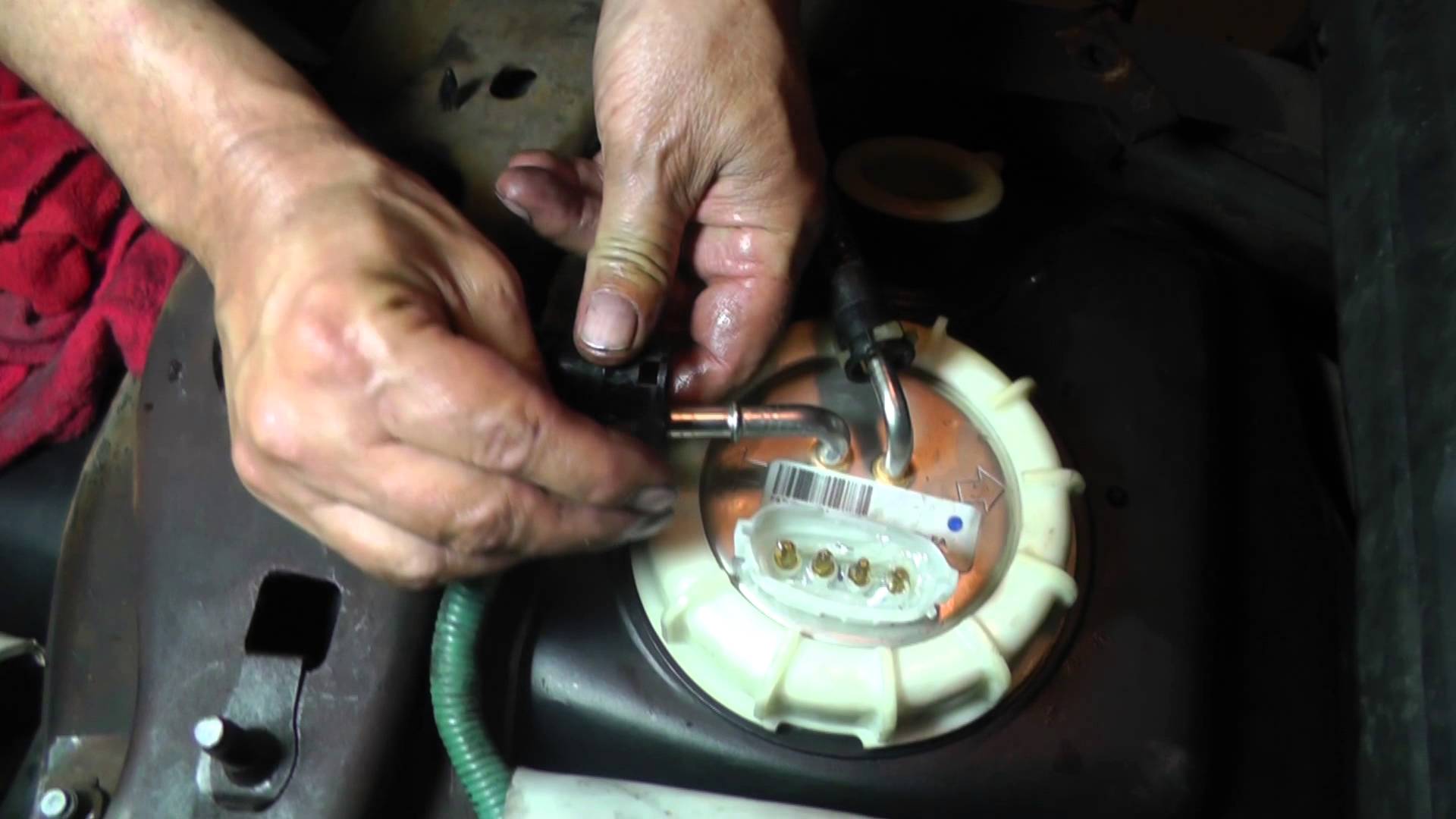
In modern gasoline vehicles, an electric fuel pump is commonly installed inside the fuel tank. Depending on the vehicle design, the pump assembly may also contain:
-
Fuel level sender
-
Fuel filter or strainer
-
Pressure regulator
-
Fuel pressure sensor
-
Electrical connections
The pump supplies fuel to the fuel rail or another part of the injection system.
The exact operating pressure depends on the vehicle and fuel system. Gasoline direct-injection systems, for example, use a low-pressure fuel supply system together with a high-pressure fuel pump.
Mechanical and Electric Fuel Pumps
Older vehicles, particularly carbureted vehicles, may use a mechanical fuel pump driven by the engine.
Mechanical fuel pumps are commonly operated by a camshaft or an eccentric mechanism.
Modern fuel-injected vehicles generally use electric fuel pumps.
An electric pump may run when the ignition is switched on to build initial pressure and then continue operating according to the engine control system's requirements.
Some modern vehicles use variable-speed fuel pump control, meaning the pump does not necessarily operate at one fixed speed all the time.
Where Is the Fuel Pump Located?
In many modern vehicles, the main fuel pump is located inside the fuel tank.
This design has several advantages. Fuel surrounding the pump helps cool it, while the tank provides a relatively protected environment.
Some vehicles also have additional fuel system components outside the tank.
On certain diesel and gasoline systems, a separate high-pressure pump is used to generate the much higher pressure required by the injection system.
Therefore, "fuel pump failure" does not always mean that the in-tank pump itself is defective.
What Are the Symptoms of a Failing Fuel Pump?
A failing fuel pump can produce several different symptoms.
The most common ones include:
-
Difficult starting
-
Long cranking before the engine starts
-
Engine stalling
-
Hesitation during acceleration
-
Loss of power
-
Poor performance under heavy load
-
Engine misfires
-
Low or unstable fuel pressure
-
Engine not starting
-
Increased noise from the fuel tank area
-
Check engine light
-
Poor fuel delivery at high RPM
The exact symptoms depend on how severe the pump problem is.
Hard Starting
One of the early signs of a weak fuel pump can be difficult starting.
The engine may crank normally but take longer than usual to start.
If the pump cannot build the required fuel pressure quickly enough, the engine may need several seconds of cranking before sufficient fuel reaches the injectors.
A problem with the fuel pressure regulator, fuel pressure retention, or a leaking injector can create similar symptoms, so the pump should not automatically be blamed.
Engine Cranks but Does Not Start
A completely failed fuel pump can prevent the engine from starting.
The starter motor may crank the engine normally, but the engine will not run because the required fuel pressure and flow are missing.
However, a no-start condition can also be caused by:
-
No ignition spark
-
Crankshaft position sensor failure
-
Immobilizer problems
-
Fuel pump relay failure
-
Blown fuse
-
Wiring problems
-
ECU control problems
-
Severe mechanical engine problems
For this reason, checking fuel pressure is more reliable than replacing the pump based only on a no-start symptom.
Loss of Power During Acceleration
A weak fuel pump may work adequately at idle but fail to provide enough fuel when the engine requires more.
During hard acceleration, fuel demand increases significantly.
If fuel pressure drops under load, the engine may:
-
Hesitate
-
Stumble
-
Lose power
-
Misfire
-
Feel as though it is running out of fuel
-
Enter reduced-power operation on some vehicles
This is one of the most important symptoms of a pump that is becoming weak.
Engine Hesitation
If fuel pressure or fuel flow is insufficient, the engine may hesitate when the accelerator is pressed.
The problem may be especially noticeable when:
-
Accelerating quickly
-
Driving uphill
-
Carrying a heavy load
-
Driving at high RPM
-
Driving at high speed
-
Turbo boost increases on a turbocharged engine
A fuel pressure test during the actual operating condition can help determine whether the pump is capable of maintaining the required pressure.
Stalling
A fuel pump that is beginning to fail may cause intermittent stalling.
The engine may suddenly lose fuel pressure and stop running, then restart after waiting for a while.
In some cases, the pump becomes more problematic as it gets hot.
This can create a pattern where the vehicle runs normally when cold but begins to stall after driving for some time.
A similar symptom can also be caused by electrical faults, crankshaft sensors, relays, or poor connections.
Fuel Pump Noise
Electric fuel pumps normally produce some operating noise.
However, a pump that suddenly becomes much louder than usual may indicate a problem.
A whining, humming, buzzing, or grinding sound coming from the fuel tank area can be a warning sign.
Possible causes include:
-
Pump wear
-
Restricted fuel filter
-
Restricted fuel strainer
-
Low fuel level
-
Fuel contamination
-
Excessive electrical load
-
Internal pump damage
Noise alone is not enough to confirm pump failure, but a significant change from the vehicle's normal operating sound deserves investigation.
Low Fuel Pressure
Low fuel pressure is one of the strongest indications of a possible fuel delivery problem.
However, low pressure does not automatically mean the pump is defective.
Other possible causes include:
-
Clogged fuel filter
-
Restricted fuel line
-
Faulty fuel pressure regulator
-
Faulty fuel pressure sensor
-
Low voltage at the pump
-
Poor electrical ground
-
Fuel pump control module problem
-
Wiring resistance
-
Internal fuel system leakage
The manufacturer's specified fuel pressure should be used as the reference.
Fuel Pressure Drops Under Load
A pump can produce acceptable pressure at idle but fail under heavy demand.
This is particularly important because an idle fuel pressure test may not reveal a weak pump.
For example, the vehicle may run normally while stationary, but fuel pressure may drop when the engine reaches higher RPM or when the accelerator is fully pressed.
A properly performed pressure test or scan-tool data analysis under load can reveal this type of problem.
Long Cranking After the Vehicle Has Been Parked
If the vehicle requires extended cranking after sitting for several hours or overnight, fuel pressure retention should be investigated.
The problem may be caused by:
-
Weak fuel pump check valve
-
Fuel pressure regulator
-
Leaking injector
-
Fuel line issue
-
Pressure bleeding back into the tank
This symptom does not automatically prove that the pump motor itself is worn.
Engine Misfires
Insufficient fuel pressure can cause a lean mixture and contribute to misfires.
The ECU may detect misfires and store diagnostic trouble codes such as P0300 or cylinder-specific misfire codes.
However, ignition coils, spark plugs, injectors, vacuum leaks, and compression problems can also cause misfires.
Fuel pressure should therefore be tested before concluding that the fuel pump is responsible.
Check Engine Light
A weak fuel pump does not always trigger a specific fuel pump fault code.
Depending on the vehicle, the ECU may detect symptoms such as:
-
Fuel pressure too low
-
Fuel pressure not reaching the commanded value
-
Fuel system too lean
-
Fuel pump control circuit problems
-
Fuel pressure sensor abnormalities
Possible diagnostic trouble codes vary by manufacturer and system design.
A fault code should be treated as a diagnostic clue rather than automatic proof that the pump needs replacement.
Electrical Problems Can Look Like Fuel Pump Failure
The fuel pump needs the correct voltage and current to operate properly.
A pump may be mechanically healthy but still fail to produce adequate pressure if it receives insufficient electrical power.
Possible electrical causes include:
-
Weak battery
-
Faulty fuel pump relay
-
Blown or partially damaged fuse
-
Corroded connector
-
Poor ground
-
Damaged wiring
-
Excessive resistance in the circuit
-
Fuel pump control module failure
This is why voltage should be measured at the pump while the pump is operating.
Can Driving With a Low Fuel Level Damage the Pump?
It can contribute to premature pump wear in some vehicle designs.
An in-tank electric pump is often surrounded by fuel, which helps cool the pump.
Frequently driving with very little fuel can reduce the cooling effect and may allow the pump to operate at higher temperatures.
Low fuel levels can also increase the likelihood of drawing sediment or contaminants from the bottom of the tank, depending on the condition of the tank and fuel system.
Keeping an adequate fuel level is therefore a sensible practice, especially in vehicles where the manufacturer specifically recommends it.
Can a Clogged Fuel Filter Cause the Same Symptoms?
Yes.
A restricted fuel filter can reduce fuel flow to the engine and make the vehicle behave as though the fuel pump is weak.
The symptoms can include:
-
Poor acceleration
-
Hesitation
-
Loss of power
-
Difficult starting
-
Low fuel pressure
If the vehicle uses a serviceable external fuel filter, its condition should be checked before condemning the pump.
On some vehicles, the filter and pump are integrated into the tank assembly, so the service procedure is different.
Fuel Contamination
Water, dirt, rust particles, or contaminated fuel can affect fuel pump operation.
Contamination may restrict the pump strainer or damage the pump.
If symptoms begin immediately after refueling, fuel quality should also be considered.
However, fuel should not automatically be blamed for every fuel system problem. The system should be tested to identify the actual cause.
How Is a Fuel Pump Diagnosed?
A proper fuel pump diagnosis should include more than listening to the pump.
The first step is usually checking the relevant fault codes and inspecting the fuel system.
Depending on the vehicle, technicians may check:
-
Fuel pressure
-
Fuel volume
-
Fuel pressure under load
-
Pump voltage
-
Pump ground
-
Pump current draw
-
Fuel pressure sensor data
-
Commanded versus actual fuel pressure
-
Fuel pump control signals
The correct specifications must come from the vehicle manufacturer's service information.
Fuel Pressure Test
A fuel pressure gauge can be connected to the fuel system where the vehicle design allows it.
The measured pressure is then compared with the manufacturer's specified value.
The test may be performed under different conditions:
-
Ignition on
-
Engine idling
-
During acceleration
-
Under high engine load
-
After the engine is switched off
The pressure should remain within the specified range.
If pressure drops significantly under load, the pump, filter, regulator, electrical supply, and fuel lines should be investigated.
Checking Fuel Pump Voltage
Voltage at the fuel pump should also be checked.
If the pump receives significantly less voltage than it should, replacing the pump may not solve the problem.
The technician should check:
-
Fuse
-
Relay
-
Wiring
-
Ground connection
-
Connectors
-
Pump control module
-
ECU control signal where applicable
This is particularly important on vehicles that use electronically controlled fuel pump systems.
Should the Fuel Pump Be Replaced Immediately?
No.
A fuel pump should not be replaced simply because the vehicle hesitates, stalls, or has low fuel pressure.
The pump is only one possible cause.
Before replacing it, the following should be considered:
-
Fuel pressure
-
Fuel volume
-
Electrical supply
-
Fuel filter
-
Fuel lines
-
Fuel pressure regulator
-
Fuel pressure sensor
-
Fuel pump control module
-
Wiring and grounds
If testing confirms that the pump cannot produce the required pressure or flow with a correct electrical supply, replacement becomes much more justified.
How Long Does a Fuel Pump Last?
There is no universal replacement interval for fuel pumps.
Their service life depends on:
-
Vehicle design
-
Fuel quality
-
Operating temperature
-
Driving conditions
-
Fuel level habits
-
Fuel contamination
-
Electrical system condition
-
Pump quality
A fuel pump is generally replaced when testing shows that it can no longer meet the required pressure or flow specifications.
Common Symptoms of Fuel Pump Failure
The most important symptoms to watch for are:
-
Hard starting
-
Long cranking
-
Engine stalling
-
Hesitation
-
Poor acceleration
-
Loss of power
-
Misfire
-
Low fuel pressure
-
Fuel pressure dropping under load
-
Abnormal fuel pump noise
-
Engine not starting
-
Check engine light
These symptoms can overlap with many other fuel, ignition, electrical, and engine-management problems.
The most reliable way to diagnose a suspected fuel pump problem is therefore to measure fuel pressure and fuel delivery, check the pump's electrical supply, and compare the results with the manufacturer's specifications.
A fuel pump should be replaced because testing shows that it is unable to meet the required fuel pressure or flow—not simply because the vehicle has a symptom that could potentially be related to fuel delivery.