TR
TR EN
EN

What Should You Do If Diesel Fuel Freezes? How Can You Prevent Diesel from Freezing?
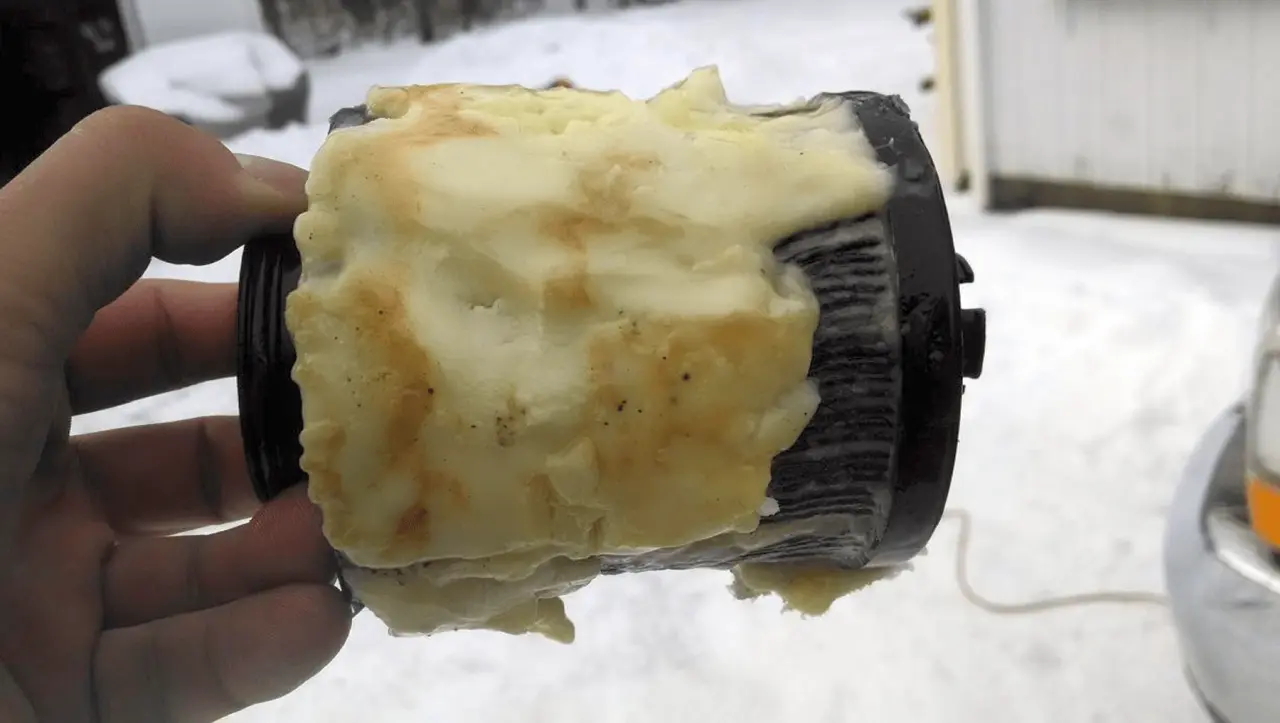
In diesel-powered vehicles, low temperatures during winter can cause the fuel to gel due to the crystallization of paraffin wax. This can clog the fuel system, make the engine difficult to start, or prevent it from starting altogether. It is one of the most common cold-weather problems faced by diesel vehicle owners.
So, what should you do if diesel fuel freezes, and how can you prevent it from happening?
Why Does Diesel Fuel Freeze?
Diesel fuel does not freeze like water. Instead, the paraffin wax naturally present in diesel begins to crystallize at low temperatures. This can cause:
-
The fuel to become thicker
-
Fuel filters to become clogged
-
Fuel flow to be restricted or completely blocked
The risk of fuel gelling increases when using:
-
Low-quality diesel fuel
-
Summer-grade diesel during winter
-
Fuel exposed to extremely cold temperatures
What Happens When Diesel Fuel Gels?
When diesel fuel begins to gel, you may notice the following symptoms:
-
The engine is difficult to start or won't start at all
-
The starter motor cranks, but the engine does not fire
-
The fuel filter becomes clogged
-
Engine misfires or runs roughly
-
Significant loss of power
What Should You Do If Diesel Fuel Freezes?
1. Don't Keep Cranking the Engine
If the fuel has gelled:
-
Repeatedly trying to start the engine can drain the battery.
-
It may also put unnecessary strain on the fuel system.
Avoid excessive cranking until the problem is resolved.
2. Move the Vehicle to a Warm Location
If possible, move the vehicle to:
-
A heated garage
-
An indoor parking area
-
Any warmer environment
As the temperature rises, the paraffin crystals will gradually dissolve and normal fuel flow can return.
3. Check the Fuel Filter
The fuel filter is usually the first component affected by diesel gelling.
If necessary:
-
Replace the clogged fuel filter.
4. Warm the Fuel Lines
In a professional workshop, technicians can safely apply controlled heat to the fuel lines.
This should only be done carefully using proper equipment, as excessive heat can damage fuel system components.
5. Use a Diesel Anti-Gel Additive
Diesel anti-gel additives lower the temperature at which paraffin crystals form, helping restore fuel flow and prevent future gelling.
6. Check the Battery and Starting System
Repeated starting attempts can weaken the battery.
If necessary:
-
Recharge the battery.
-
Use a jump starter or booster pack.
How to Prevent Diesel Fuel from Freezing
1. Use Winter-Grade Diesel Fuel
Fuel suppliers typically offer winter diesel during colder months.
Winter-grade diesel contains additives that improve cold-weather performance and resist gelling.
2. Add an Anti-Gel Fuel Additive
If you live in an area with extremely low temperatures:
-
Add a diesel anti-gel treatment before cold weather arrives.
3. Keep the Fuel Tank Full
A nearly empty fuel tank allows more condensation to form inside.
Keeping the tank full:
-
Reduces moisture buildup
-
Helps lower the risk of fuel problems
4. Park Indoors Whenever Possible
Whenever possible:
-
Park your vehicle in a garage or covered area overnight.
Warmer storage temperatures help prevent diesel from gelling.
5. Replace the Fuel Filter Regularly
A dirty or partially clogged fuel filter is more likely to become blocked in cold weather.
Routine maintenance is essential.
6. Buy High-Quality Diesel Fuel
Poor-quality diesel tends to gel more quickly in freezing temperatures.
Choosing fuel from reputable stations can improve cold-weather reliability.
Which Vehicles Are Most Affected?
Diesel gelling is more common in:
-
Diesel passenger cars
-
Trucks and semi-trucks
-
Construction and agricultural machinery
Vehicles left outdoors for extended periods are especially vulnerable.
Can Frozen Diesel Damage the Battery?
Yes.
Repeated attempts to start an engine with gelled fuel can:
-
Drain the battery
-
Put excessive strain on the starter motor
Can Frozen Diesel Damage the Engine?
Not directly.
However, fuel starvation caused by gelled diesel can:
-
Put stress on the fuel system
-
Potentially damage injectors or other fuel delivery components if ignored
Conclusion
Diesel fuel gelling is a common winter problem that mainly affects diesel-powered vehicles. Typical symptoms include:
-
Failure to start
-
Engine misfiring
-
Restricted fuel flow
If left unresolved:
-
The fuel filter can become completely blocked.
-
The vehicle may become stranded.
The best ways to prevent diesel fuel from gelling are:
-
Using winter-grade diesel fuel
-
Adding a quality anti-gel additive
-
Keeping the fuel tank full
-
Parking the vehicle in a warmer environment whenever possible
Taking these precautions can help ensure reliable starting and smooth operation throughout the winter months.