TR
TR EN
EN

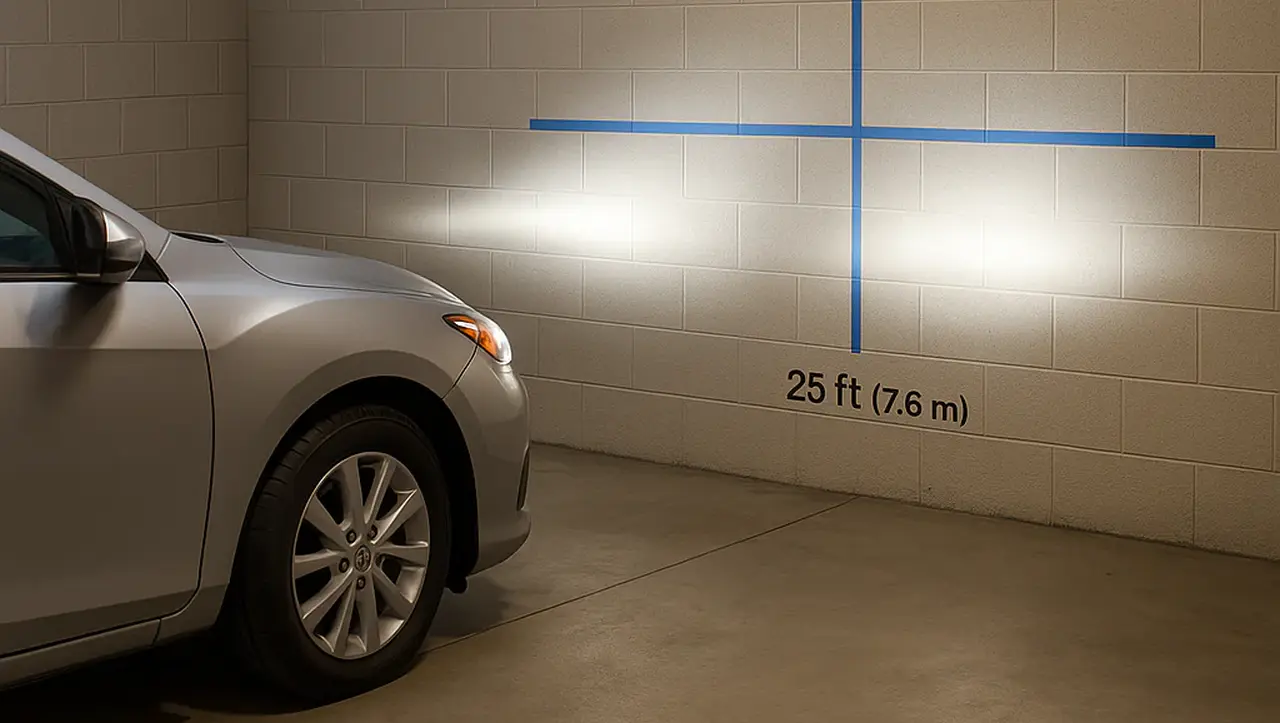
How to Adjust Headlights: What Is the Correct High and Low Beam Alignment?
Headlight alignment is one of the most important safety checks for driving at night. Incorrectly adjusted headlights can reduce your visibility and blind oncoming drivers, creating dangerous situations. Improperly aimed low beams may also cause a vehicle to fail a roadworthiness inspection in some countries.
So, how do you adjust your headlights, and what is the correct alignment for high and low beams?
Why Is Headlight Alignment Important?
Properly adjusted headlights:
-
Improve nighttime visibility
-
Prevent glare for oncoming drivers
-
Make lane markings and road signs easier to see
-
Increase overall driving safety
Poorly adjusted headlights can:
-
Reduce your visibility
-
Increase the risk of accidents
-
Cause inspection failures where applicable
How Should Low Beams Be Adjusted?
Low beams should:
-
Illuminate the road ahead effectively
-
Stay below the eye level of oncoming drivers
A properly adjusted low beam should be aimed slightly downward.
In most vehicles:
-
The left headlight is aimed slightly lower.
-
The right headlight reaches slightly farther.
This helps illuminate the roadside while minimizing glare for oncoming traffic.
How Should High Beams Be Adjusted?
High beams should:
-
Project straight ahead over a long distance
-
Maximize forward visibility on dark roads
However:
-
They should never be used when another vehicle is approaching.
Otherwise:
-
They can temporarily blind other drivers and significantly increase accident risk.
Signs That Your Headlights Are Misaligned
Common symptoms include:
-
Poor nighttime visibility
-
Low beams that illuminate too close to the vehicle
-
Frequent flashing from oncoming drivers
-
Headlights pointing noticeably to one side
-
Light shining into trees or road signs instead of onto the road
How to Adjust Your Headlights
Headlight alignment can be performed professionally using specialized aiming equipment, but you can also perform a basic check at home.
Basic Headlight Alignment Method
1. Park on a Level Surface
Make sure:
-
The vehicle is parked on flat ground.
-
Tire pressures are correctly set.
2. Position the Vehicle Near a Wall
Park approximately:
-
5 meters (16 feet) away from a flat wall.
3. Mark the Headlight Centers
Measure the height of each headlight center and mark the same height on the wall.
4. Turn On the Low Beams
The top edge of the beam pattern should appear:
-
Slightly below the headlight center marks.
At a distance of 5 meters, the beam cutoff is generally expected to sit a few centimeters below the marked height.
5. Adjust the Headlights
Use the adjustment screws located on the headlight housing:
-
Vertical adjustment
-
Horizontal adjustment
Adjust until the beam pattern is properly aligned.
How Far Should Headlights Illuminate?
Approximate illumination distances are:
-
Low beams: 30–45 meters (100–150 feet)
-
High beams: 80–120 meters (260–390 feet)
Actual performance depends on:
-
Headlight design
-
Bulb type
-
Road conditions
-
Weather conditions
Is Headlight Alignment Important for LED and Xenon Lights?
Absolutely.
Incorrectly aimed:
-
LED headlights
-
Xenon (HID) headlights
can produce much more glare than traditional halogen lights.
Features such as:
-
Projector lenses
-
Automatic headlight leveling
help maintain proper alignment and reduce glare.
Are Headlights Checked During Vehicle Inspections?
Yes.
Many vehicle inspections include checks for:
-
Headlight aim
-
Beam pattern
-
Light direction
Improperly adjusted headlights may result in inspection defects depending on local regulations.
Why Do Headlights Become Misaligned?
Common causes include:
-
Vehicle collisions or impacts
-
Suspension wear or sagging
-
Carrying heavy loads
-
Headlight removal or replacement
-
Incorrect installation after changing bulbs
Does Vehicle Load Affect Headlight Alignment?
Yes.
When the rear of the vehicle sits lower due to heavy cargo or passengers:
-
The front rises slightly.
-
The headlights point higher than intended.
Many vehicles include:
-
Manual headlight leveling controls
-
Automatic leveling systems
to compensate for changes in vehicle height.
Conclusion
Proper headlight alignment is essential for safe nighttime driving. Low beams should provide sufficient road illumination without dazzling oncoming drivers, while high beams should only be used on dark roads when no other vehicles are nearby.
Incorrect headlight alignment can lead to:
-
Reduced visibility
-
Increased accident risk
-
Vehicle inspection failures
Regularly checking and adjusting your headlights helps improve safety for both you and other road users.