TR
TR EN
EN

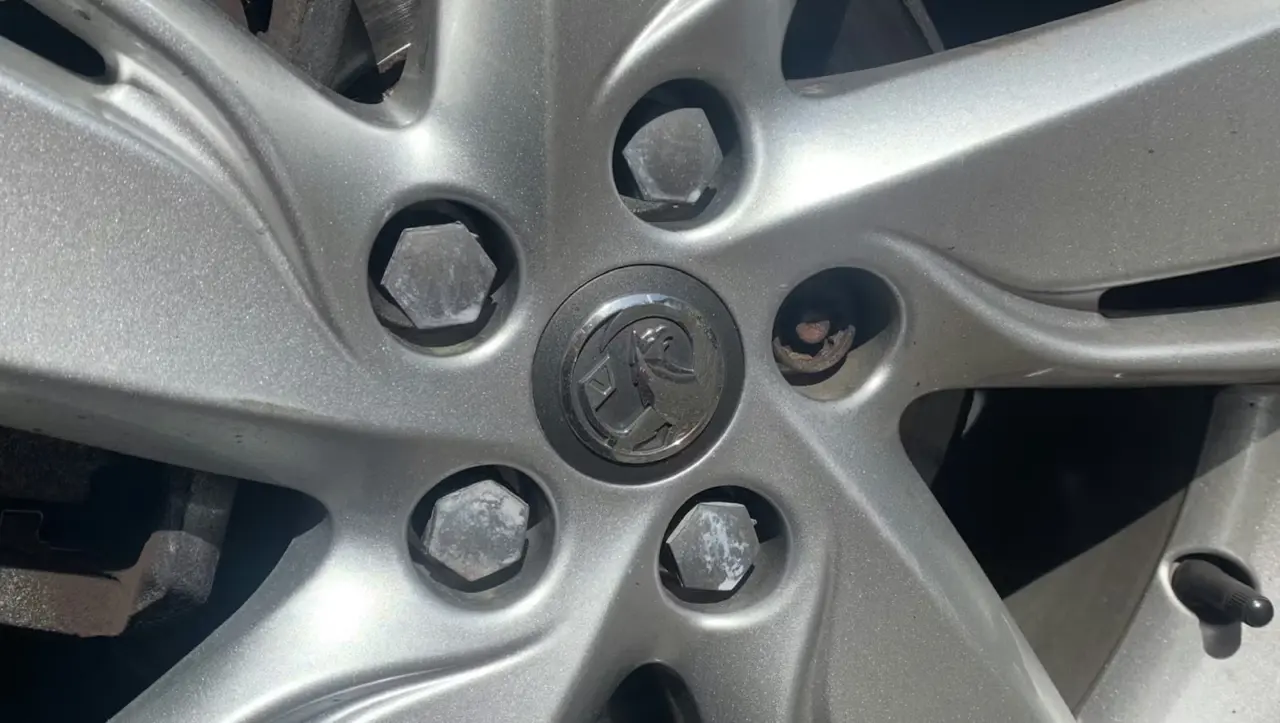
What Causes Wheel Stud Failure? Everything You Need to Know About Broken Wheel Studs
Wheel stud failure is a serious safety issue, especially in trucks, semi-trucks, buses, and other heavy-duty vehicles. When the wheel studs that secure the wheel to the hub crack or break, the wheel can become loose or even detach completely. For this reason, damaged or broken wheel studs should never be ignored.
So, what causes wheel studs to break, what are the warning signs, and what should you do if it happens while driving?
What Is Wheel Stud Failure?
Wheel stud failure refers to:
-
The cracking or breaking of the wheel studs that hold the wheel in place.
This problem may:
-
Begin with a single broken stud.
-
Place additional stress on the remaining studs, leading to a chain reaction of failures.
Why Do Wheel Studs Break?
There are several common causes of wheel stud failure.
1. Overtightening the Wheel Nuts
One of the most common causes is:
-
Excessive tightening with an impact wrench.
Applying more torque than recommended can:
-
Stretch the studs
-
Cause metal fatigue
Over time, this can lead to:
-
Cracks
-
Complete stud failure
2. Loose Wheel Nuts
If the lug nuts are not tightened sufficiently:
-
The wheel can begin to move slightly on the hub.
This movement creates vibration and impact loads that can eventually cause the studs to break.
3. Overloading the Vehicle
Heavy loads place additional stress on the wheel assembly.
Vehicles that frequently carry excessive weight are more likely to experience:
-
Wheel stud fatigue
-
Premature stud failure
This is especially common in heavy commercial vehicles.
4. Wheel and Hub Mismatch
Using incompatible wheels can:
-
Create uneven loading on the wheel studs.
-
Cause improper wheel centering.
-
Lead to excessive vibration.
Over time, these conditions increase the risk of stud failure.
5. Rust and Corrosion
Corroded wheel studs lose structural strength.
Corrosion develops more quickly in:
-
Areas where roads are salted during winter
-
Humid or coastal environments
6. Poor-Quality Replacement Studs
Low-quality aftermarket wheel studs may not withstand the heavy loads experienced by commercial vehicles.
Inferior materials increase the likelihood of failure.
7. Excessive Brake Heat
Overheated braking systems can transfer heat to the wheel studs.
Continuous exposure to high temperatures accelerates:
-
Metal fatigue
-
Loss of strength
Warning Signs of Wheel Stud Failure
Several symptoms may appear before complete failure occurs.
Unusual Noise from the Wheel
You may hear:
-
Knocking
-
Clicking
-
Metallic tapping sounds
Steering Wheel Vibration
Especially at higher speeds, you may notice:
-
Steering wheel shake
-
Vehicle instability
Wheel Movement
In some cases:
-
The wheel may develop noticeable play or looseness.
Missing Wheel Nuts or Broken Studs
During a visual inspection, you may notice:
-
Missing lug nuts
-
Broken wheel studs
What Happens If Wheel Studs Break?
If additional studs fail:
-
The wheel can detach completely from the vehicle.
This can result in:
-
Loss of vehicle control
-
Serious accidents
The risk is particularly high for heavy-duty trucks and buses.
What Should You Do If a Wheel Stud Breaks While Driving?
1. Pull Over Safely
If you notice unusual vibration or noises:
-
Move the vehicle to a safe location as soon as possible.
2. Avoid High Speeds
Continuing to drive with broken studs places excessive stress on the remaining ones and increases the chance of complete wheel separation.
3. Inspect the Wheel
If it is safe to do so, check for:
-
Missing lug nuts
-
Wheel looseness
-
Visible broken studs
4. Do Not Continue a Long Journey
Driving long distances with missing or broken wheel studs is extremely dangerous, especially in:
-
Trucks
-
Semi-trucks
-
Buses
5. Contact Roadside Assistance or a Repair Shop
Professional repair is the safest solution.
Can Broken Wheel Studs Be Repaired?
Yes.
In most cases:
-
The broken stud is removed.
-
A new wheel stud is installed.
If the wheel hub has also been damaged:
-
Hub replacement may be necessary.
How Can You Prevent Wheel Stud Failure?
To reduce the risk:
-
Tighten wheel nuts using the manufacturer's specified torque.
-
Avoid excessive use of impact wrenches without torque verification.
-
Inspect wheel studs regularly.
-
Replace rusted or damaged studs immediately.
Is Regular Inspection More Important for Heavy Commercial Vehicles?
Absolutely.
Heavy-duty vehicles experience:
-
Much higher axle loads
-
Greater stress on wheel components
For this reason, wheel studs should always be inspected before long-distance trips.
Conclusion
Wheel stud failure is a serious safety concern, particularly for heavy commercial vehicles. The most common causes include:
-
Overtightened wheel nuts
-
Loose wheel nuts
-
Heavy loads
-
Rust and corrosion
-
Poor-quality replacement parts
If you notice:
-
Steering vibration
-
Knocking noises
-
Wheel looseness
stop driving as soon as it is safe to do so. Continuing to operate the vehicle can cause additional wheel studs to fail, potentially resulting in complete wheel separation and a serious accident.