TR
TR EN
EN

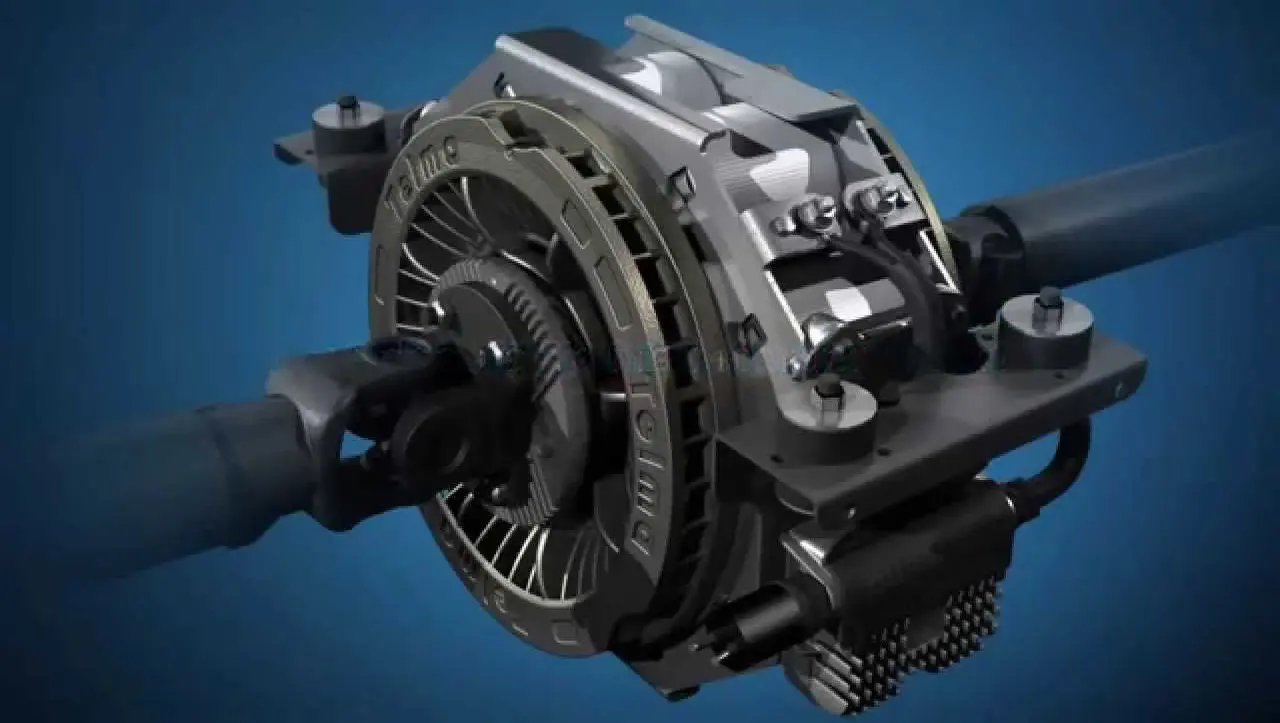
Why Doesn't the Retarder Work? Common Causes of Retarder Failure
The retarder system used in heavy-duty trucks and buses is an auxiliary braking system designed to assist the service brakes, especially during long downhill descents. By providing additional braking force, it significantly reduces brake pad wear and improves overall driving safety.
If the retarder fails to engage or provides little braking force, the problem is typically related to the electrical system, air pressure, hydraulic/oil system, sensors, or software. Below are the most common causes of retarder malfunction.
1. Electrical and Sensor Faults
The electronic control system is one of the most critical components of a retarder.
Possible causes include:
-
Faulty ECU (Electronic Control Unit)
-
Damaged or corroded wiring harness
-
Defective speed sensor
-
Retarder control lever (stalk) signal failure
Common Symptoms
-
The retarder does not engage at all.
-
A warning light appears on the dashboard.
-
The retarder engages and disengages intermittently.
2. Low Air Pressure
Some retarder systems rely on compressed air for proper operation.
The retarder may fail if:
-
Air tank pressure is too low.
-
The air compressor cannot generate sufficient pressure.
-
The air pressure regulator is malfunctioning.
Result
-
Weak braking performance
-
The retarder may fail to engage completely
3. Low Oil Level or Hydraulic System Problems
In hydraulic retarder systems, the oil plays a crucial role.
Common issues include:
-
Low hydraulic oil level
-
Deteriorated or contaminated oil
-
Blocked hydraulic passages
Symptoms
-
Reduced braking force
-
Overheating
-
Slow response when activated
4. Overheating (Thermal Protection Mode)
Retarders generate a significant amount of heat during operation.
If the system becomes too hot, it may activate a protective mode.
What Happens?
-
The retarder temporarily disables itself.
-
Braking performance decreases.
Common Causes
-
Continuous use on long downhill grades
-
Insufficient cooling capacity
5. Cooling System Problems
The retarder often relies on the engine's cooling system to dissipate heat.
Potential issues include:
-
Low engine coolant level
-
Clogged radiator
-
Weak or failing water pump
Result
-
The system enters protection mode.
-
Retarder effectiveness is reduced.
6. Low Engine RPM
Retarders operate most efficiently within a specific engine speed range.
Problems may occur if:
-
Engine RPM is too low.
-
The transmission is in an unsuitable gear.
Result
-
The retarder may not engage.
-
Braking force is significantly reduced.
7. Software and Calibration Issues
Electronic control problems can also affect retarder performance.
Possible causes include:
-
Transmission software errors
-
Incorrect retarder calibration
-
Sensor communication faults
Common Signs of a Faulty Retarder
You may notice one or more of the following symptoms:
-
Difficulty controlling vehicle speed on downhill roads
-
Increased reliance on the service brakes
-
No response when operating the retarder lever
-
Retarder warning light illuminated on the dashboard
What Should You Do If the Retarder Is Not Working?
If your retarder is malfunctioning, the following components should be inspected:
-
Air pressure system
-
Hydraulic oil level and condition
-
Electronic sensors using a diagnostic scan tool
-
Cooling system, including coolant level and radiator condition
A professional diagnostic inspection is recommended to accurately identify the cause of the problem.
Conclusion
Retarder failures are most commonly caused by:
-
Electrical or sensor malfunctions
-
Low air pressure
-
Hydraulic oil problems
-
Overheating and thermal protection mode
-
Cooling system deficiencies
Because several different systems work together to operate the retarder, accurately diagnosing the fault usually requires connecting the vehicle to a professional diagnostic scanner and performing a complete system inspection. Early diagnosis and regular maintenance can help prevent more serious braking and drivetrain issues.