TR
TR EN
EN

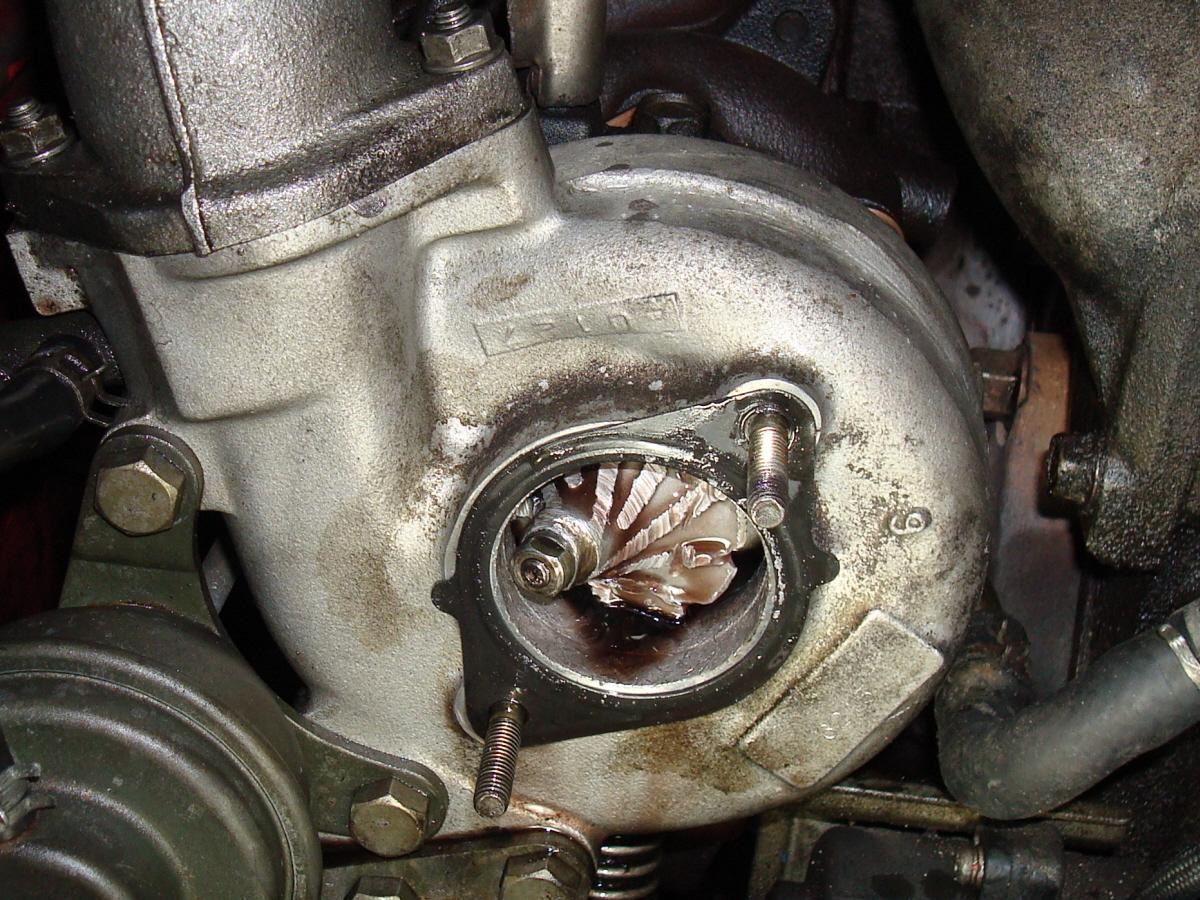
Turbocharger Failure Symptoms and Causes
A turbocharger is one of the most important components in a modern turbocharged engine. By using exhaust gases to drive a turbine, it compresses the intake air and sends more oxygen into the combustion chamber. This allows the engine to produce more power and torque without requiring a much larger displacement.
When the turbocharger or one of the components in the turbocharging system develops a problem, the effects can range from reduced performance to excessive smoke, unusual noises, increased oil consumption, and even serious engine damage.
Understanding the symptoms of turbocharger failure is important because not every boost-related problem means the turbocharger itself is defective. A boost leak, faulty actuator, clogged air filter, damaged intercooler hose, or lubrication problem can produce very similar symptoms.
What Are the Symptoms of a Failing Turbocharger?
Turbocharger problems can develop gradually or appear suddenly. Some symptoms are easy to notice, while others become apparent only under heavy acceleration.
Loss of engine power
One of the most common symptoms is a noticeable reduction in engine performance.
The vehicle may feel normal at low speeds but become noticeably weaker when accelerating or climbing a hill. Turbocharged engines depend on boost pressure to produce their expected torque, so a problem with the turbocharger or its control system can cause the engine to feel naturally aspirated.
The vehicle may also struggle to reach its usual top speed.
Slow acceleration
If the turbocharger cannot generate the required boost pressure, acceleration may become considerably slower.
The engine may rev normally, but the vehicle does not accelerate as strongly as it normally should. In some cases, the driver may feel that the turbocharger is not activating at all.
Excessive turbo lag
Some turbo lag is normal, particularly with certain turbocharger designs. However, a sudden increase in lag compared with normal operation can indicate a problem.
Possible causes include:
-
Turbocharger wear
-
Boost leaks
-
Damaged intercooler hoses
-
Faulty wastegate operation
-
Variable geometry mechanism problems
-
Vacuum leaks
-
Electronic actuator problems
Whining or siren-like noise
A turbocharger normally produces some operating noise, but a sudden change in sound should not be ignored.
A loud whining, high-pitched whistle, or siren-like sound may indicate excessive shaft or bearing wear, compressor wheel damage, or another internal turbocharger problem.
The louder the noise becomes as engine speed and boost increase, the more important it is to have the system inspected.
Blue smoke from the exhaust
Blue or blue-gray exhaust smoke can be a serious warning sign.
If the turbocharger's oil seals or internal components are damaged, engine oil can enter the intake or exhaust side of the turbocharger. The engine may then burn this oil, producing blue smoke.
However, blue smoke does not automatically mean the turbocharger has failed. Worn piston rings, valve stem seals, or other engine problems can produce the same symptom.
Black smoke
Black smoke generally indicates that the engine is receiving more fuel than the available air can properly support.
On a diesel engine, a turbocharger or boost system problem can cause insufficient air supply and therefore excessive smoke.
Possible causes include:
-
Turbocharger boost problems
-
Boost leaks
-
Faulty injectors
-
EGR problems
-
Restricted air intake
-
Faulty boost control components
Therefore, black smoke should be diagnosed as an air-fuel or combustion problem rather than automatically blaming the turbocharger.
Increased oil consumption
A damaged turbocharger can allow engine oil to enter the intake or exhaust system.
If oil consumption increases unexpectedly, particularly when combined with blue smoke, turbocharger inspection may be necessary.
However, oil consumption can have many other causes, so the entire engine lubrication and combustion system should be evaluated.
Check Engine Light
A turbocharger problem may trigger the Check Engine Light when the engine control unit detects that actual boost pressure does not match the expected value.
Depending on the vehicle, diagnostic trouble codes related to boost pressure, turbocharger control, wastegate operation, or intake pressure may be stored.
What Causes Turbocharger Failure?
Turbochargers operate at extremely high rotational speeds and temperatures. Because of this, proper lubrication, clean intake air, and correct boost control are essential.
Insufficient lubrication
One of the most serious causes of turbocharger failure is inadequate oil supply.
The turbocharger shaft and bearings depend on engine oil for lubrication and cooling. If the oil supply becomes restricted, the internal components can overheat and wear rapidly.
Possible causes include:
-
Low engine oil level
-
Blocked oil feed line
-
Incorrect oil
-
Dirty engine oil
-
Restricted oil passages
-
Poor maintenance
-
Excessive sludge
A lubrication problem can destroy a turbocharger surprisingly quickly.
Dirty or old engine oil
Engine oil deteriorates over time. If oil changes are neglected, contaminants and deposits can accumulate.
Because turbocharger bearings operate under demanding conditions, poor-quality or contaminated oil can accelerate internal wear.
Using the correct oil specification recommended for the engine is therefore particularly important for turbocharged vehicles.
Foreign objects entering the turbocharger
The compressor wheel can be damaged if foreign material enters the intake system.
A damaged air filter, incorrectly installed intake component, broken hose, or debris entering through the air intake can allow objects to reach the compressor wheel.
Even a relatively small object can damage the high-speed compressor blades.
Boost leaks
A boost leak does not necessarily mean that the turbocharger itself is damaged.
Cracked intercooler hoses, loose clamps, damaged intercoolers, or leaking intake connections can allow compressed air to escape.
The result can be reduced power, increased turbo lag, abnormal hissing sounds, and boost-related fault codes.
This is one of the most important reasons not to replace a turbocharger before checking the complete boost system.
Wastegate problems
The wastegate controls turbocharger boost by regulating exhaust gas flow through the turbine.
If the wastegate becomes stuck, damaged, or incorrectly controlled, the turbocharger may produce too little or too much boost.
A faulty actuator or control solenoid can create similar symptoms.
Variable geometry turbocharger problems
Many modern diesel engines use variable geometry turbochargers (VGT/VNT).
These turbochargers contain adjustable vanes that control exhaust gas flow through the turbine.
Carbon buildup can restrict the vane mechanism and prevent it from moving correctly. This can cause:
-
Poor acceleration
-
Underboost
-
Overboost
-
Limp mode
-
Turbocharger-related fault codes
In some cases, the turbocharger itself may still be mechanically sound while the variable geometry mechanism is the actual problem.
Excessive exhaust temperature
Turbochargers operate in an extremely hot environment. Excessive exhaust gas temperatures can damage the turbine, bearings, seals, and other internal components.
Incorrect fueling, engine tuning, injector problems, or other combustion issues can contribute to excessive exhaust temperatures.
Engine modifications and excessive boost
Increasing boost pressure beyond the manufacturer's intended operating range places additional stress on the turbocharger.
Performance modifications can be safe when properly engineered, but excessive boost, inappropriate software calibration, or insufficient cooling can significantly reduce turbocharger life.
Can a Turbocharger Fail Without Making Noise?
Yes.
Not every turbocharger failure produces a loud whistle or grinding sound.
A turbocharger may suffer from reduced boost pressure, actuator problems, vane problems, or an air-side leak without producing an obvious abnormal noise.
This is why a proper diagnosis should include boost pressure measurements and inspection of the turbocharging system rather than relying only on sound.
How Is a Turbocharger Problem Diagnosed?
A proper diagnosis should begin by determining whether the turbocharger itself is actually defective.
The technician may inspect:
-
Engine oil level and condition
-
Turbocharger oil supply and return lines
-
Compressor wheel
-
Turbine wheel
-
Turbocharger shaft play
-
Wastegate or VGT actuator
-
Intercooler
-
Boost hoses
-
Intake pipes
-
Vacuum lines
-
Boost control solenoid
-
MAP sensor
-
Air filter
-
Exhaust system
Diagnostic equipment can also be used to compare requested boost pressure with actual boost pressure.
This comparison can help determine whether the engine is experiencing an underboost or overboost condition.
A smoke test or pressure test of the intake and boost system can also be useful when a leak is suspected.
Underboost vs. Overboost
A turbocharged engine can experience two different types of boost problems.
Underboost
Underboost means the engine is producing less boost pressure than the control system expects.
Possible causes include:
-
Boost leaks
-
Damaged turbocharger
-
Wastegate stuck open
-
VGT vanes stuck
-
Faulty actuator
-
Exhaust restriction
-
Vacuum problems
-
Faulty sensors
Overboost
Overboost occurs when boost pressure becomes higher than the expected level.
Possible causes include:
-
Wastegate stuck closed
-
VGT vanes stuck
-
Faulty actuator
-
Boost control problems
-
Incorrect ECU calibration
-
Sensor problems
Both conditions can cause the ECU to limit engine power to protect the engine and turbocharger.
Should a Faulty Turbocharger Always Be Replaced?
Not necessarily.
The correct repair depends on what has actually failed.
A damaged hose, actuator, control solenoid, sensor, or vacuum line may be the real cause of the problem. In such cases, replacing the turbocharger would be unnecessary and expensive.
If the turbocharger has severe shaft play, damaged compressor or turbine blades, bearing failure, oil leakage caused by internal damage, or other serious mechanical defects, replacement or professional turbocharger rebuilding may be required.
The cause of the original failure should also be identified. Installing a new turbocharger without correcting an oil supply problem, for example, can result in another turbocharger failure.
How Can Turbocharger Life Be Extended?
Turbocharger longevity depends heavily on proper engine maintenance.
Regularly changing the engine oil using the correct specification is one of the most important measures. The air filter should also be kept in good condition so that dust and debris cannot reach the compressor wheel.
Boost hoses and intercooler connections should be inspected if there is a sudden loss of power or unusual hissing noise.
It is also important to avoid aggressive modifications that push the turbocharger beyond its intended operating limits.
After prolonged high-load driving, some older turbocharged vehicles may benefit from allowing the engine to operate gently for a short period before shutdown. Modern vehicles often manage turbocharger temperatures more effectively, so prolonged stationary idling is not universally necessary.
A turbocharger can last for many years when its lubrication, intake air supply, boost control, and engine calibration are maintained correctly.
When Should a Turbocharger Be Checked?
A turbocharger should be inspected when several symptoms appear together, particularly:
-
Sudden loss of power
-
Excessive turbo lag
-
Unusual whining or siren-like noise
-
Blue exhaust smoke
-
Increased oil consumption
-
Repeated underboost or overboost faults
-
Limp mode
-
Sudden changes in boost pressure
The important point is that a turbocharger-related symptom does not automatically mean the turbocharger itself needs to be replaced. The entire air intake, intercooler, boost control, lubrication, exhaust, and electronic control system should be checked before making an expensive repair decision.