TR
TR EN
EN

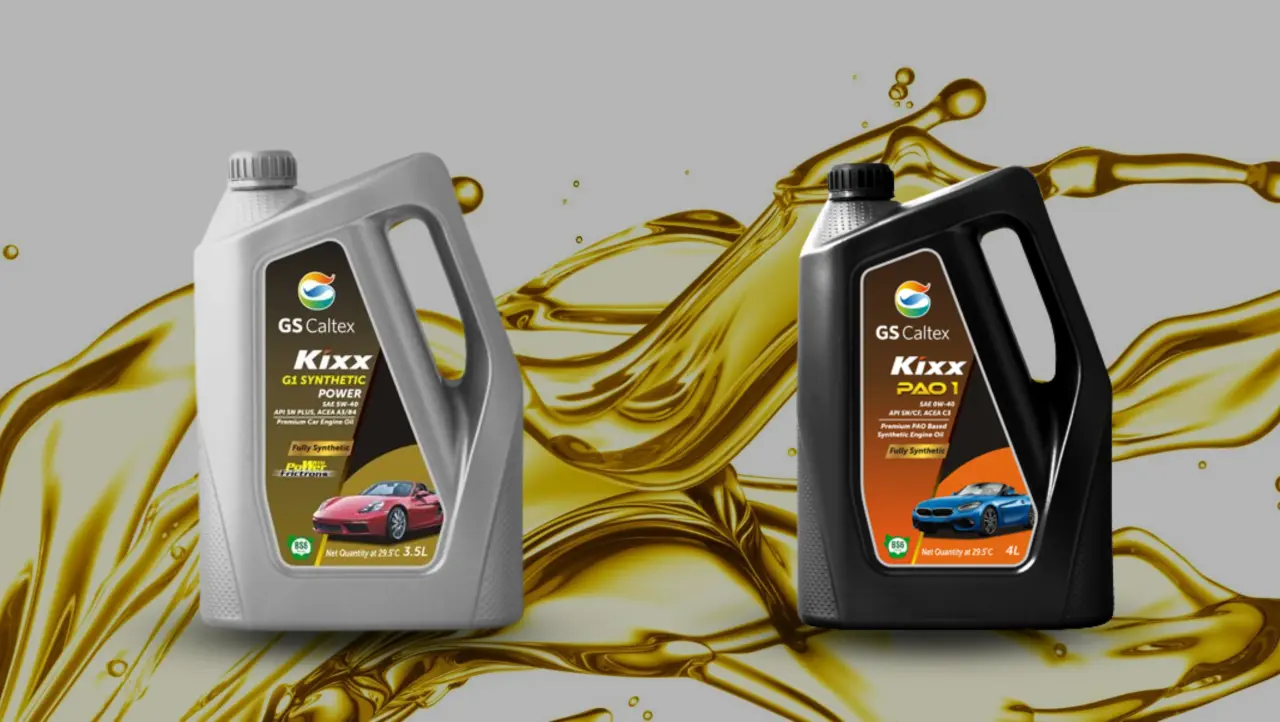
Can Synthetic Motor Oil Be Mixed with Conventional Motor Oil?
When engine oil decreases, many drivers have the same question in mind: “I have synthetic oil, but my engine currently uses conventional motor oil. Can I mix them?” or the opposite: “Will adding conventional motor oil to synthetic oil damage the engine?”
Although there is different information about this topic online, the correct answer is important for both protecting the engine and maintaining oil performance. In this article, we explain in detail whether synthetic and conventional motor oils can be used together, their possible effects, and the points that should be considered.
What Is the Difference Between Synthetic and Conventional Motor Oil?
Motor oils are generally divided into three groups: mineral (conventional), semi-synthetic, and fully synthetic.
Conventional (Mineral) Motor Oil
Conventional motor oil is obtained by refining crude oil and has been used in vehicles for many years.
Its main characteristics are:
-
Provides basic engine protection.
-
May lose performance faster at high temperatures.
-
Is less resistant to sludge and deposit formation compared to synthetic oils.
-
Is generally preferred for older vehicle models.
Fully Synthetic Motor Oil
Fully synthetic motor oil is produced using advanced refining techniques and has a more uniform molecular structure.
Its advantages include:
-
Faster lubrication at low temperatures
-
Better resistance at high temperatures
-
Lower wear
-
Cleaner engine operation
-
Longer oil life
-
Contribution to fuel economy
Can Synthetic Motor Oil and Conventional Motor Oil Be Mixed?
Yes, they can be mixed.
Synthetic and conventional motor oils are chemically compatible with each other. When mixed, they do not create harmful chemical reactions or cause sludge formation.
Therefore, in emergency situations:
-
Synthetic oil can be added to conventional oil.
-
Conventional oil can be added to synthetic oil.
-
The engine can continue operating safely in the short term.
Does Mixing Them Damage the Engine?
No.
As long as oils with the correct viscosity and appropriate quality standards are used, mixing them will not damage the engine in the short term.
The real risk is running the engine with insufficient oil.
Low oil levels can cause much more serious problems such as:
-
Insufficient lubrication
-
Engine wear
-
Bearing damage
-
Overheating
-
Turbo failure
-
Engine seizure
Therefore, in an emergency, topping up the oil level is much safer than driving with insufficient oil.
What Are the Disadvantages of Mixing Oils?
Although mixing is possible, it is not recommended as a regular practice.
The main reason is the advanced additive packages found in synthetic oils.
Synthetic motor oils contain:
-
Cleaning additives
-
Anti-wear additives
-
Oxidation inhibitors
-
Anti-foam additives
-
Deposit-reducing additives
Conventional motor oils also contain additives, but they are generally at a more basic level.
When two different oils are mixed:
-
The superior performance of synthetic oil may decrease.
-
High-temperature resistance may be reduced.
-
Oil service life may become shorter.
-
Protection against deposits may decrease.
-
Engine cleaning performance may weaken.
In other words, the engine will not be damaged, but some of the advantages provided by synthetic oil may be reduced.
What Happens If Conventional Oil Is Added to Synthetic Oil?
For example, if the engine contains fully synthetic oil and you top up the missing amount with conventional motor oil.
In this case:
-
The engine continues to operate.
-
The oil continues to perform its lubrication function.
-
However, the percentage of synthetic oil in the mixture decreases.
Therefore, the oil’s:
-
Heat resistance
-
Oxidation resistance
-
Long drain interval capability
may decrease slightly.
Can Synthetic Oil Be Added to Conventional Motor Oil?
Yes.
In fact, in this case, the performance of the mixture may improve slightly.
However, since most of the oil inside the engine is still mineral oil, full synthetic oil performance should not be expected.
Can Different Brands of Motor Oil Be Mixed?
Different brands of motor oil with the same viscosity and the same quality standards can be mixed in emergency situations.
However, continuously using different brands and different oil specifications is not recommended.
For the best performance, quality motor oil with the same specifications should be used at every oil change.
Can Oils with Different Viscosities Be Mixed?
For example:
-
5W-30 with 5W-40
-
0W-20 with 5W-30
Oils with different viscosities can be mixed, but this is not a recommended practice.
Since the viscosity of the mixture will change, it may move away from the oil specifications determined by the manufacturer.
Whenever possible, oil with the viscosity recommended by the vehicle manufacturer should be used.
Is Engine Cleaning Required When Switching to Synthetic Oil?
No.
Under normal conditions, engine flushing is not required before switching to synthetic oil.
A standard oil change is sufficient.
During the transition:
-
The old oil should be completely drained.
-
The oil filter should be replaced.
-
The recommended amount of synthetic oil should be added.
Only if there is heavy sludge buildup or serious deposits inside the engine should engine cleaning be considered under expert supervision.
What Should I Do If I Accidentally Mixed Different Oils?
There is no need to panic.
If you accidentally mixed synthetic and conventional motor oil:
-
Check the oil level.
-
You can continue driving normally.
-
However, it is beneficial to perform the next oil change slightly earlier than usual.
For example, if you normally replace your fully synthetic oil every 10,000 kilometers, after mixing oils it may be safer to change the oil and filter around 5,000–7,500 kilometers.
Should the Oil Filter Also Be Changed During an Oil Change?
Yes.
It is recommended to replace the oil filter during an engine oil change.
Using new oil with an old filter can:
-
Accelerate contamination.
-
Reduce oil performance.
-
Negatively affect engine protection.
Therefore, replacing the oil and filter together is the correct practice.
Frequently Asked Questions
Can synthetic motor oil and conventional motor oil be mixed?
Yes. They are chemically compatible and can be safely mixed in emergency situations.
Does mixing them damage the engine?
No. It does not damage the engine in the short term. However, the superior performance characteristics of synthetic oil may decrease slightly.
Can conventional oil be added to synthetic oil?
Yes. If the oil level is low, conventional motor oil with the correct viscosity can be added. Maintaining the oil level is much safer than operating with insufficient oil.
How long can the vehicle be used after mixing oils?
The engine can continue operating, but since the performance of the mixture will not be as high as fully synthetic oil, it is recommended to perform the next oil change earlier than normal.
Is engine cleaning required when switching to synthetic oil?
For most vehicles, no. After completely draining the old oil and replacing the oil filter, you can directly switch to synthetic oil.
Conclusion
Synthetic motor oil and conventional (mineral) motor oil are chemically compatible and can be added to each other in emergency situations. This process does not damage the engine in the short term and is much safer than driving with a low oil level.
However, continuously mixing different oil types may reduce some of the benefits provided by synthetic oil, such as high-temperature resistance, longer service life, and advanced engine protection. For the best engine performance and longer lifespan, it is recommended to use a single type of motor oil that meets the viscosity and quality standards recommended by your vehicle manufacturer and to maintain regular oil and filter replacement intervals.