TR
TR EN
EN

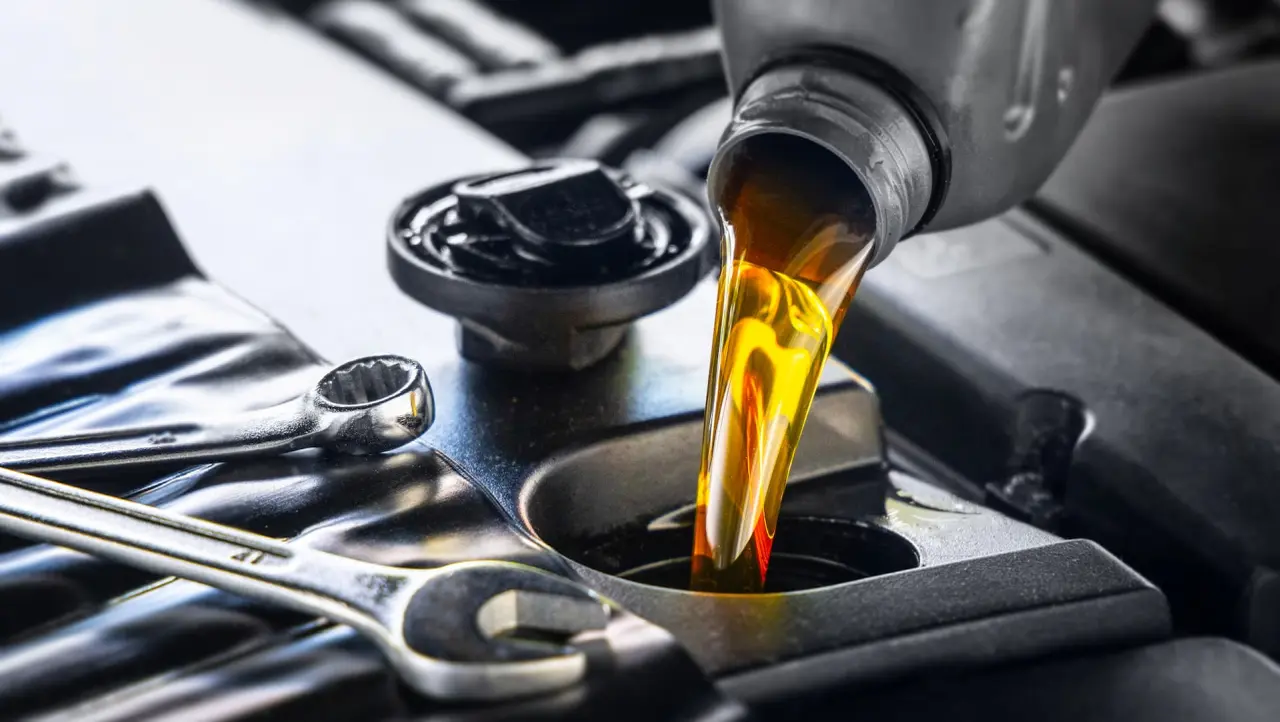
When Should Fully Synthetic Motor Oil Be Changed?
Engine oil is one of the most important maintenance factors that ensures the healthy operation of an engine. Especially fully synthetic motor oils are preferred in many modern vehicles today thanks to their high performance, long service life, and advanced protection properties. However, even the highest-quality motor oil loses its properties over time and needs to be replaced at certain intervals.
So, when should fully synthetic motor oil be changed, at what mileage should it be replaced, and what factors affect the replacement interval? Here are all the details you need to know.
What Is Fully Synthetic Motor Oil?
Fully synthetic motor oil is a type of engine oil produced using advanced technology in laboratory environments and provides much higher performance compared to mineral oils.
These oils:
-
Are more resistant to high temperatures.
-
Provide faster circulation at low temperatures.
-
Reduce engine wear.
-
Help prevent sludge and deposit formation.
-
Support fuel economy.
-
Help the engine operate cleaner.
Thanks to these features, manufacturers recommend fully synthetic motor oil for most new-generation gasoline and diesel vehicles.
At What Mileage Should Fully Synthetic Motor Oil Be Changed?
The replacement interval of fully synthetic motor oils varies depending on the vehicle brand and model.
In general:
-
10,000 to 15,000 kilometers under normal driving conditions
-
Up to 20,000 kilometers in some newer vehicles
-
Up to 25,000–30,000 kilometers in some models using Long Life oil
may be recommended as replacement intervals.
However, these values do not apply to every vehicle. The most accurate information is the maintenance interval specified in the vehicle owner's manual.
How Many Months Should Fully Synthetic Motor Oil Be Changed?
Engine oil does not deteriorate only based on mileage. Even if the vehicle is not used for a long time, the oil gradually loses its chemical properties.
For this reason, many manufacturers recommend changing engine oil:
-
Once a year
-
Or when the recommended mileage is reached
For example, even in a vehicle that drives only 5,000 kilometers per year, replacing the engine oil after approximately 12 months is recommended.
Factors Affecting Oil Change Intervals
The lifespan of engine oil can vary significantly depending on driving conditions.
Frequent stop-and-go city driving
In heavy traffic, the engine continues running while the vehicle travels very short distances. This can cause the oil to deteriorate faster.
Short-distance driving
During short trips where the engine does not reach operating temperature, moisture and fuel residues may accumulate in the oil.
Extremely hot or cold weather
Difficult climate conditions can affect engine oil lifespan.
Dusty roads
Vehicles used in dusty environments may experience faster contamination of the oil filter and engine oil.
Towing and heavy-duty use
Towing caravans, using trailers, or carrying heavy loads continuously puts more stress on engine oil.
Signs That Fully Synthetic Motor Oil Needs to Be Changed
When engine oil loses its properties over time, some symptoms may appear.
Some of these include:
-
Louder engine operation
-
Increased fuel consumption
-
Reduced performance
-
Oil warning light illumination
-
Darkened oil color
-
Deposit formation inside the engine
-
Abnormal smoke from the exhaust
When these signs appear, the engine oil and oil filter should be checked.
Can Oil Change Decisions Be Made Based on Engine Oil Color?
Many drivers think that black engine oil means the oil has reached the end of its life. However, this is not always true.
Especially in diesel engines, oil can become dark in a short time. This happens because the oil performs its function by holding soot and dirt particles.
Therefore, oil replacement decisions should not be made based only on oil color.
Should the Oil Filter Be Changed When Replacing Fully Synthetic Motor Oil?
Yes.
It is recommended to replace the oil filter during an engine oil change.
An old filter may contain:
-
Dirt
-
Metal particles
-
Carbon deposits
-
Old engine oil
Using new oil with an old filter may cause the oil to become contaminated faster.
What Happens If Fully Synthetic Motor Oil Is Changed Too Late?
Changing engine oil later than the recommended interval can lead to serious problems.
These may include:
-
Increased engine wear
-
Reduced lubrication performance
-
Sludge formation
-
Blocked oil passages
-
Turbocharger failures
-
Increased fuel consumption
-
Higher engine overheating risk
-
Shortened engine lifespan
Following oil change intervals is especially important in turbocharged engines.
Can Fully Synthetic Motor Oil Be Used for Longer?
Fully synthetic motor oils have a longer lifespan compared to mineral oils. However, this does not mean they can be used indefinitely.
Exceeding the maintenance interval specified by the vehicle manufacturer is not recommended.
Engine operating conditions, climate conditions, and driving style directly affect oil lifespan.
Frequently Asked Questions
Should fully synthetic motor oil be changed every year?
Yes. Even if the vehicle does not reach the recommended mileage, engine oil is generally recommended to be changed approximately once a year.
Can fully synthetic motor oil be used for 20,000 kilometers?
This may be possible in some vehicles and with manufacturer-approved Long Life oils. However, it does not apply to every vehicle. The vehicle maintenance manual should be followed.
Should engine oil be changed in vehicles that are rarely used?
Yes. Since engine oil loses its chemical properties over time, it should be replaced after a certain period even if the vehicle has low mileage.
Is there any harm in changing engine oil early?
No. Changing oil earlier than recommended does not harm the engine. However, it may result in unnecessary maintenance costs.
Can fully synthetic motor oil and semi-synthetic oil be mixed?
Although oils with compatible viscosity and standards can be mixed in emergency situations, continuously using different oil types together is not recommended. A complete oil change with the manufacturer-recommended oil should be performed at the first opportunity.
Conclusion
Fully synthetic motor oils provide superior protection and longer service life for modern engines. Despite this, regular oil changes are extremely important for efficient engine operation and long-term durability.
In general, changing the oil every 10,000–15,000 kilometers or once a year is a safe reference point. However, the most accurate replacement time is always the maintenance interval specified by the vehicle manufacturer.
With regular oil and filter changes, the engine operates more quietly, maintains its performance, and the risk of expensive failures can be reduced.