TR
TR EN
EN

What Should Drivers of LPG-Powered Vehicles Pay Attention To?
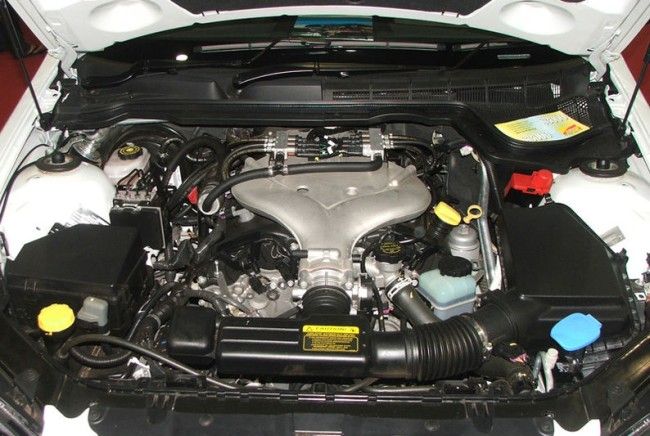
Driving an LPG-powered vehicle can be economical and reliable when the system is correctly installed, properly calibrated, and regularly maintained. However, an LPG system contains additional components that operate with pressurized fuel, so drivers need to pay attention to more than just the fuel level.
The LPG tank, multivalve, regulator, solenoid valves, filters, injectors, fuel lines, electrical connections, and LPG ECU all play a role in the system.
Some symptoms should never be ignored, especially LPG odors, repeated misfires, unexpected switching back to gasoline, sudden performance loss, or unusual fuel consumption.
LPG Odor Is Not Normal
LPG has a distinctive odorant added to help detect leaks. If you can clearly smell LPG around the vehicle or inside the cabin, this should not be considered normal.
A possible leak can come from:
-
The LPG tank or multivalve area
-
The filling connection
-
LPG pipes and hoses
-
The regulator
-
LPG injectors
-
Solenoid valves
-
Connections and seals
If a strong LPG smell is detected, the system should be inspected for leaks.
If LPG odor is noticed inside a closed garage or another enclosed area, avoid starting the vehicle or creating sparks and have the system checked safely.
Do Not Delay LPG System Maintenance
An LPG system is not simply an additional fuel tank. It directly affects how the engine is fueled and operated.
Depending on the system and manufacturer's recommendations, maintenance may include inspection of:
-
LPG filters
-
Regulator
-
LPG injectors
-
Gas pressure
-
Gas temperature
-
LPG pipes and hoses
-
Solenoid valves
-
Electrical connections
-
LPG ECU
-
Tank and multivalve
There is no single universal maintenance interval that applies to every LPG system. The appropriate interval depends on the LPG kit, vehicle, engine, usage conditions, and manufacturer's recommendations.
Replace LPG Filters When Required
LPG filters help reduce the amount of contamination reaching sensitive components such as the injectors and regulator.
A neglected filter can contribute to:
-
Poor engine response
-
Irregular idle
-
Hesitation
-
Increased fuel consumption
-
Switching problems
-
Injector-related issues
Filter replacement should ideally be accompanied by a general inspection of LPG pressure and system operation rather than treating the filter as an isolated component.
Pay Attention to the LPG Regulator
The LPG regulator, also called a vaporizer on many systems, converts liquid LPG into the gas phase required by the engine and helps regulate fuel pressure.
A regulator problem can cause:
-
Stalling on LPG
-
Rough idle
-
Hesitation
-
Power loss
-
Difficult transition to LPG
-
Unstable fuel pressure
-
Unexpected switching back to gasoline
The regulator should not automatically be replaced based only on these symptoms. Gas pressure, coolant temperature, regulator temperature, vacuum connections, and the rest of the fuel system should be checked first.
Do Not Ignore LPG Injectors
LPG injectors control the amount of gaseous fuel delivered to the engine.
Contamination, mechanical wear, electrical faults, or flow differences between injectors can result in:
-
Misfires
-
Rough idle
-
Hesitation
-
Uneven acceleration
-
Increased fuel consumption
-
Check engine light
-
Noticeable performance differences between gasoline and LPG
However, these symptoms do not automatically prove that the LPG injectors are faulty. Ignition problems, vacuum leaks, incorrect calibration, pressure problems, and engine sensors can produce similar symptoms.
Do Not Change the LPG Calibration Randomly
One of the most important rules for LPG drivers is to avoid making random adjustments to the LPG system.
Modern sequential LPG systems use data such as:
-
Engine speed
-
Engine load
-
Gas pressure
-
Gas temperature
-
Gasoline injection times
-
Oxygen sensor feedback
-
Fuel trims
to determine the appropriate fuel quantity.
An incorrect calibration can result in:
-
Lean mixtures
-
Rich mixtures
-
Increased fuel consumption
-
Poor performance
-
Misfires
-
Check engine light
-
Emissions problems
-
Excessive thermal load on engine components
-
Catalytic converter damage
LPG calibration should therefore be performed using appropriate diagnostic equipment and live data rather than by simply increasing or decreasing fuel delivery until the engine “feels better.”
Do Not Run the Gasoline Tank Permanently Empty
An LPG-powered vehicle still has a gasoline fuel system, even if LPG is used most of the time.
Depending on the vehicle and LPG system, gasoline may be used:
-
During cold starts
-
During the warm-up period
-
Under certain engine load conditions
-
During specific protection strategies
-
In some direct-injection applications
Some direct-injection engines can use gasoline alongside LPG under certain operating conditions.
Keeping a reasonable amount of gasoline in the tank is therefore a good practice. It also ensures that the vehicle can continue operating if the LPG system becomes unavailable.
Do Not Force the Vehicle to Start on LPG
Many modern sequential LPG systems start the engine on gasoline and switch to LPG after suitable operating conditions are reached.
The changeover can depend on:
-
Coolant temperature
-
Gas temperature
-
Engine speed
-
Time
-
Gas pressure
-
System programming
Forcing an LPG system to start on gas when it is not designed to do so can create unnecessary operating problems, particularly in cold weather.
Pay Attention to LPG-to-Gasoline Switching Problems
A brief change in engine behavior during the gasoline-to-LPG transition can depend on the system design.
However, the following symptoms deserve investigation:
-
Engine stalls during changeover
-
Harsh transition
-
Vehicle remains on gasoline for an unusually long time
-
Vehicle switches back to gasoline unexpectedly
-
LPG system repeatedly refuses to activate
-
LPG warning indicators behave abnormally
Possible causes include regulator temperature, gas pressure, temperature sensors, solenoid valves, electrical connections, or LPG ECU settings.
Do Not Ignore the Check Engine Light
The check engine light can illuminate on an LPG vehicle for many different reasons.
Possible causes include:
-
Lean mixture
-
Rich mixture
-
Misfires
-
Oxygen sensor-related problems
-
Fuel trim problems
-
EVAP faults
-
Ignition problems
-
Air leaks
-
LPG calibration problems
An OBD-II code does not automatically identify the failed component.
For example, a lean-mixture code may be related to LPG calibration, but it could also be caused by a vacuum leak, MAF/MAP sensor problem, fuel pressure issue, injector problem, or another engine-related fault.
The code should therefore be interpreted together with live data and operating conditions.
Do Not Consider LPG Misfires Normal
Some engines can become more sensitive to ignition-system problems when operating on LPG.
Pay particular attention to:
-
Spark plugs
-
Ignition coils
-
Spark plug wires on applicable engines
-
LPG injectors
-
Gas pressure
-
Fuel mixture
If the engine runs smoothly on gasoline but repeatedly misfires on LPG, the LPG system and calibration deserve particular attention.
However, replacing LPG injectors immediately is not always the correct solution. Ignition components and engine operating data should also be checked.
Use the Correct Spark Plugs
Spark plug selection should always follow the engine manufacturer's specifications.
When choosing spark plugs for an LPG-powered engine, factors such as:
-
Heat range
-
Electrode design
-
Thread dimensions
-
Electrode gap
-
Manufacturer specification
are important.
Some engines may have spark plug options specifically recommended for LPG use, while others should continue using the standard spark plug specified by the vehicle manufacturer.
A product advertised simply as an “LPG spark plug” is not automatically suitable for every engine.
Inspect the LPG Tank and Multivalve
The LPG tank is a pressurized fuel container and deserves particular attention.
The tank and multivalve area should be checked for:
-
Corrosion
-
Physical impact
-
Deformation
-
Loose mounting
-
Damaged pipes
-
Fuel odor
-
Damaged protective housing
Underbody-mounted tanks can be exposed to water, road salt, mud, stones, and other environmental conditions.
A damaged or heavily corroded tank should be professionally assessed rather than repaired with improvised methods.
Check the LPG Tank Information
LPG tanks carry important identification and certification information.
Depending on the tank and applicable regulations, this can include:
-
Manufacturer
-
Serial number
-
Capacity
-
Manufacturing date
-
Certification markings
Inspection and replacement requirements vary according to the tank, manufacturer, certification system, and local regulations.
For this reason, there is no single universal rule stating that every LPG tank must be replaced after exactly the same number of years.
Do Not Allow the LPG Tank to Be Overfilled
LPG expands as its temperature increases.
For this reason, LPG tanks are not designed to be filled completely with liquid fuel. A vapor space must remain available for thermal expansion.
The filling system and multivalve are designed to limit the maximum filling level according to the applicable system design.
If the vehicle suddenly begins accepting an unusually large amount of LPG or the filling behavior changes significantly, the filling system and multivalve should be inspected.
Check the LPG Filling Connection
The filling point is a small but important part of the system.
Look for:
-
Damage
-
Corrosion
-
Loose connections
-
Damaged seals
-
Fuel odor
-
Missing or damaged protective cap
A damaged filling connection should not be ignored simply because the vehicle continues to operate normally.
Pay Attention to Engine and Exhaust Temperatures
LPG calibration affects the engine's air-fuel mixture.
An incorrectly calibrated system can cause the engine to operate outside its intended fueling range, particularly under load.
A persistently lean condition, ignition problem, cooling-system fault, or incorrect fuel calibration can contribute to excessive thermal stress.
For this reason, LPG tuning should not be based solely on fuel consumption or how the engine feels during normal driving.
Keep the Cooling System in Good Condition
On many LPG systems, the regulator uses engine coolant to transfer heat and vaporize the LPG.
Therefore, the condition of the cooling system can directly affect LPG operation.
Pay attention to:
-
Coolant level
-
Thermostat operation
-
Water pump
-
Regulator coolant connections
-
Coolant hoses
-
Air trapped in the cooling system
If the regulator does not receive sufficient hot coolant, LPG changeover and vaporization can be affected.
Do Not Confuse LPG Odor With Exhaust Odor
LPG leakage and exhaust leakage are different problems.
A strong LPG odor can indicate a fuel-system leak.
Exhaust odor may indicate an exhaust leak or exhaust gases entering an area where they should not be.
Exhaust fumes inside the passenger compartment are particularly serious because they can contain carbon monoxide and other harmful gases.
Avoid Running an LPG Vehicle in an Enclosed Space
An LPG-powered vehicle should not be left running for extended periods in a poorly ventilated garage or enclosed space.
The engine produces exhaust gases, including carbon monoxide, which can become dangerous very quickly.
A possible LPG leak is another reason enclosed spaces require particular caution.
Have the LPG System Checked After a Serious Accident
After a significant collision, the LPG system should be inspected before the vehicle returns to normal use.
Important components include:
-
LPG tank
-
Multivalve
-
Fuel lines
-
Filling line
-
Regulator
-
Solenoid valves
-
Electrical wiring
-
Tank mounting points
A tank can appear visually intact while its mounting system or connections have been damaged.
Monitor Changes in LPG Fuel Consumption
Fuel consumption is one of the useful indicators of LPG system condition.
If consumption increases significantly under similar driving conditions, possible causes include:
-
LPG calibration
-
Regulator pressure
-
LPG injectors
-
Filters
-
Oxygen sensor
-
MAF/MAP sensor
-
Thermostat
-
Ignition system
-
Tire pressure
-
Driving conditions
High fuel consumption alone does not prove that the LPG ECU is faulty.
Compare LPG and Gasoline Operation
One of the most useful diagnostic observations is whether the problem occurs on both fuels or only on LPG.
If the vehicle runs properly on gasoline but poorly on LPG, the LPG system, calibration, regulator, injectors, or LPG-specific components become more important suspects.
If the same problem occurs on both gasoline and LPG, the cause may be elsewhere, such as:
-
Ignition system
-
Engine sensors
-
Air intake system
-
Mechanical engine condition
-
Electrical system
-
Fuel system
-
Exhaust system
This comparison can prevent unnecessary replacement of expensive LPG components.
Do Not Replace Parts Based Only on Symptoms
One of the most common mistakes in LPG vehicle diagnosis is assuming that a symptom automatically identifies a failed component.
For example:
“It's misfiring on LPG, so the injectors are bad.”
“The car loses power on LPG, so the regulator must be defective.”
“The check engine light is on, so the LPG ECU must be faulty.”
These conclusions are not always correct.
A proper diagnosis may require checking:
-
OBD-II fault codes
-
Live data
-
Short-term and long-term fuel trims
-
LPG pressure
-
Gas temperature
-
Gasoline injection times
-
Ignition performance
-
Injector operation
-
Electrical supply
-
Wiring and connectors
The objective should be to identify the cause rather than simply replace the most obvious component.
Warning Signs LPG Drivers Should Never Ignore
A driver does not need to be an LPG technician to notice important warning signs.
Professional inspection is recommended when you notice:
-
Strong LPG odor
-
Repeated misfires
-
Sudden power loss
-
Stalling on LPG
-
Failure to switch to LPG
-
Unexpected switching back to gasoline
-
Check engine light
-
Unusual fuel consumption
-
Abnormal LPG pressure symptoms
-
Damage around the tank or multivalve
-
Unusual filling behavior
-
Fuel or exhaust odor inside the cabin
A strong LPG smell, suspected fuel leak, damaged tank, or significant fuel/exhaust odor inside the cabin should be treated as a safety issue rather than a normal operating problem.
Safe and Economical LPG Driving
An LPG vehicle can provide excellent fuel economy when the system is properly installed and maintained. However, saving money on fuel should not mean postponing maintenance or ignoring warning signs.
The most important habits for an LPG driver are simple: keep both the LPG and gasoline systems in good condition, use the correct fuel and components, monitor changes in vehicle behavior, maintain the cooling and ignition systems, and have LPG faults diagnosed using measurements and live data rather than assumptions.
A properly installed and correctly calibrated LPG system should not require constant adjustment or produce persistent odors, repeated misfires, or unexplained changes in engine behavior. When such symptoms appear, finding the cause early is usually far better than continuing to drive until a minor LPG problem becomes an engine, emissions, or safety problem.