TR
TR EN
EN

What Is a Wheel Hub? Failure Symptoms, Causes, and Replacement
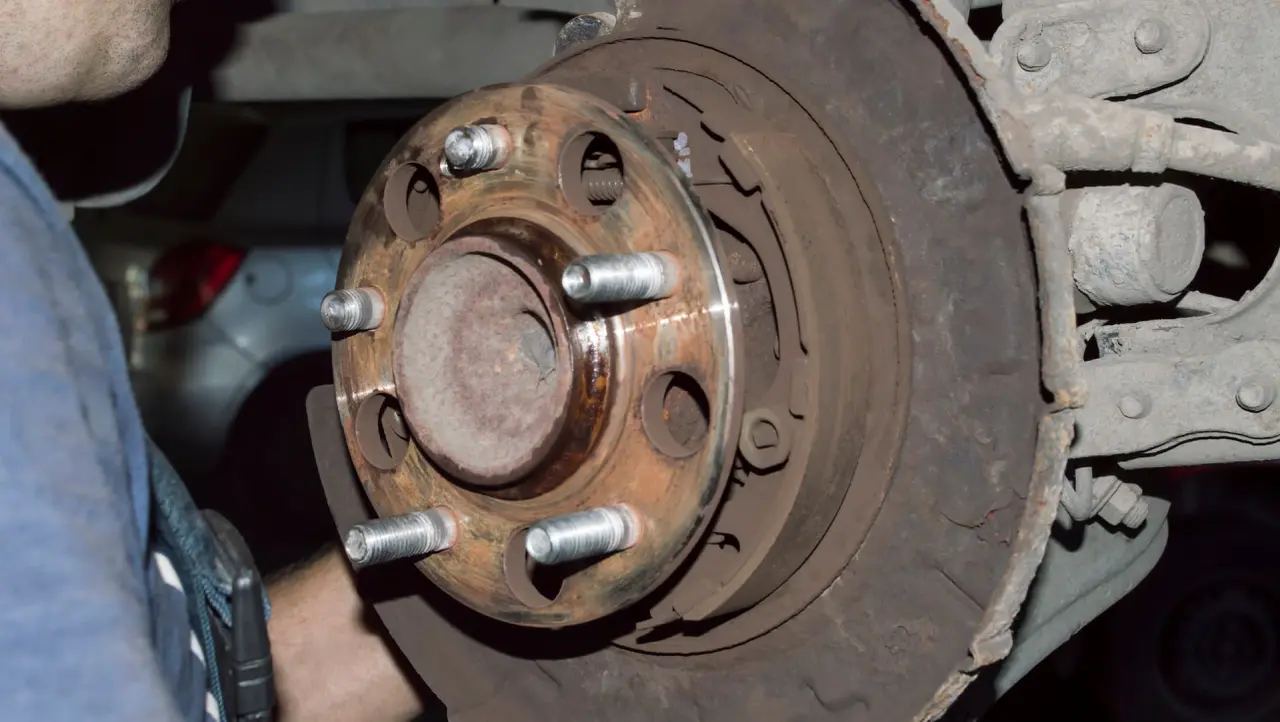
One of the components as important as the suspension, steering, and braking systems for safe driving is the wheel hub, also known as the hub assembly. The wheel hub is an important mechanical component that allows the wheel, bearing, brake disc or drum, and in some vehicles the ABS system to work together. A failure in the wheel hub not only reduces driving comfort but can also negatively affect steering control and driving safety.
What Is a Wheel Hub?
The wheel hub, commonly known as the hub assembly, is a mechanical component that connects the wheel to the axle shaft and allows it to rotate safely.
The wheel hub system generally consists of the following components:
Wheel hub housing
Wheel bearing
Flange where the wheel bolts are attached
ABS sensor ring (depending on the application)
Axle nut connection
These components work together to ensure that the wheel rotates with minimum friction.
What Does a Wheel Hub Do?
The main functions of the wheel hub are:
Ensuring the wheel rotates safely
Supporting the vehicle weight
Supporting the brake disc or drum
Adapting to steering movements
Keeping the wheel centered on the axle
Contributing to the correct operation of the ABS sensor
In short, the wheel hub is a critical component for the suspension, braking, and steering systems.
What Is a Wheel Hub Bearing?
The bearing inside the wheel hub is a ball or roller bearing that allows the wheel to rotate with low friction.
In most modern vehicles, the bearing is manufactured as a single unit together with the wheel hub.
In some older vehicles, the bearing can be replaced separately.
How Does a Wheel Hub Failure Occur?
The wheel hub or bearing can wear out over time.
The most common causes are:
High mileage
Hitting potholes at high speed
Hitting curbs
Traffic accidents
Incorrect installation
Low-quality spare parts
Water entering the system
Deterioration of bearing grease
Carrying excessive loads
Especially in vehicles frequently used on poor roads, the lifespan of the wheel hub may be shorter.
What Are the Symptoms of a Wheel Hub Failure?
As wheel hub failure progresses, several noticeable symptoms may occur.
Humming noise
The most common symptom is a humming noise that increases as speed increases.
It usually becomes more noticeable:
After 40 km/h
Above 60 km/h
At highway speeds
The sound can be described as:
Humming
Whining
Airplane-like noise
A sound similar to tire noise
The sound may change during turns
Depending on the side with the faulty bearing, the noise may increase or decrease during cornering.
For example:
If the right bearing is faulty, the noise may become more noticeable during left turns because the load increases on that side.
If the left bearing is faulty, more humming may be heard during right turns.
This is an important clue for identifying the faulty side.
Steering wheel vibration
In advanced cases, vibration may be felt through the steering wheel.
This vibration becomes more noticeable especially at high speeds.
Wheel play
When the bearing becomes severely worn, excessive play may develop in the wheel.
This can:
Reduce steering sensitivity.
Affect braking performance.
Create a safety risk.
ABS warning light illumination
When the ABS sensor ring is damaged or the bearing develops play, the ABS system may not read data correctly.
As a result:
ABS
ESP
Traction control system
warning lights may illuminate.
Different noises during braking
Due to a faulty wheel hub, the brake disc may not rotate perfectly centered.
In this case:
Rubbing noise
Metallic noise
Vibration
may occur.
Causes of Wheel Hub Failure
The main factors that shorten wheel hub lifespan are:
Hitting potholes at high speed
Deep potholes apply strong impacts to the bearing.
Hitting curbs
Side impacts can damage the internal structure of the bearing.
Incorrect tightening torque
Tightening the wheel bolts or axle nut differently from the manufacturer's specified values can reduce bearing lifespan.
Water entering the system
Especially after floods or deep water crossings, water entering the bearing can reduce its lubrication ability.
Using low-quality bearings
Cheap and low-quality bearings may fail much sooner compared to original products.
How Is a Wheel Hub Failure Checked?
Various inspection methods are used in repair shops.
Road test
Rotating the wheel on a lift
Checking for play
Listening with a stethoscope
Checking the ABS sensor
Bearing noise analysis
Professional inspection is recommended for an accurate diagnosis.
Can a Vehicle Be Driven with a Faulty Wheel Hub?
The vehicle may still operate during the early stages, but continuing to drive for a long time with a faulty wheel hub is not recommended.
Because over time:
The noise increases.
The bearing develops play.
Braking performance may be affected.
Steering control may decrease.
In advanced failures, serious problems may occur with the wheel connection, increasing safety risks.
When Should a Wheel Hub Be Replaced?
Replacement is recommended in the following situations:
There is continuous humming noise
Play has developed
The bearing has fallen apart
The ABS sensor mounting area is damaged
The wheel hub is bent
Damage has occurred after an accident
Since the bearing and wheel hub are manufactured as a single unit in many modern vehicles, the complete assembly is replaced.
How Long Does Wheel Hub Replacement Take?
Depending on the vehicle model, the replacement process usually takes between 1 and 3 hours.
If there are rusted connections or seized components, the process may take longer.
Does Wheel Hub Failure Sound Like Tire Noise?
Yes.
Many drivers initially think that the noise is caused by the tires.
However, while tire noise usually changes depending on the road surface, a faulty wheel hub bearing produces a continuous noise that increases with speed and often changes during turns.
How Long Does a Wheel Hub Last?
There is no fixed replacement mileage.
Depending on usage conditions:
It may fail at 100,000 km.
It may continue working without problems for 250,000 km.
Poor roads, heavy loads, and strong impacts can significantly shorten wheel hub lifespan.
How Can Wheel Hub Failure Be Prevented?
To extend the lifespan of the wheel hub, pay attention to the following recommendations:
Avoid driving over potholes at high speed.
Do not climb curbs aggressively.
Do not overload the vehicle.
Tighten wheel bolts and axle nuts according to manufacturer torque specifications.
Use high-quality bearings and wheel hubs.
Have wheel bearings checked during regular maintenance.
The wheel hub is one of the most important mechanical components that ensures safe vehicle operation. It contains the bearing that allows the wheel to rotate smoothly and works together with the braking system and ABS. Wheel hub failures usually appear with symptoms such as humming noise, steering wheel vibration, wheel play, and ABS warning lights.
When these symptoms are noticed, it is very important not to ignore the problem. Early intervention can prevent higher repair costs and help maintain driving safety. Regular maintenance, using quality spare parts, and avoiding severe impacts are the most effective ways to extend the lifespan of the wheel hub system.