TR
TR EN
EN

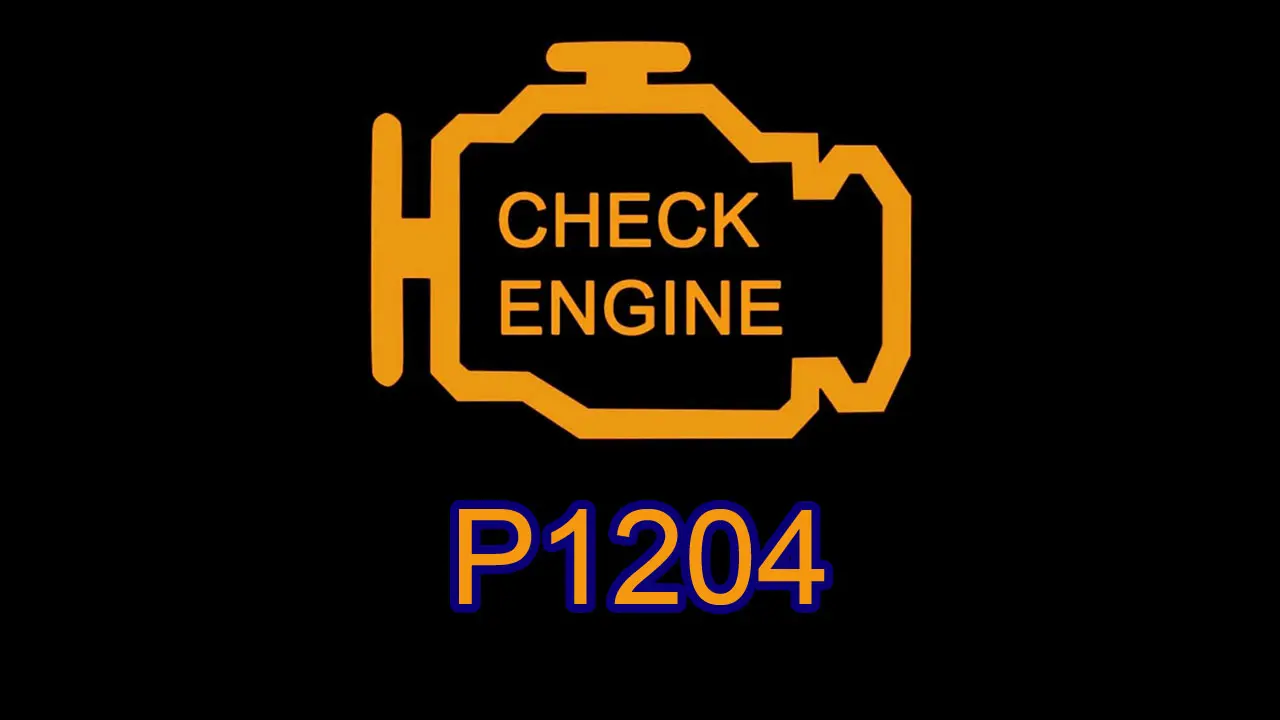
P1204 Enjektör Devresi Açık / Kısa Devre Silindir #4
P1204 indicates that the engine control module has detected an electrical problem in the fuel injector circuit for cylinder #4, meaning the injector circuit may be open, shorted, intermittently disconnected, or otherwise unable to operate the injector as commanded, with possible causes ranging from the injector and connector to damaged wiring, power supply problems, or an ECM driver fault.
What P1204 Is Really Pointing To
P1204 is primarily an electrical circuit fault, not a direct diagnosis of a fuel-delivery problem.
The ECM controls the injector on cylinder #4 by sending an electrical command through the injector circuit. When the expected electrical response does not match what the ECM detects, it can store P1204.
The two important terms in this code are open and short.
An open circuit means the electrical path is interrupted. This can happen because of a broken wire, disconnected connector, damaged terminal, or an internal failure inside the injector.
A short circuit means the electrical current is taking an unintended path. The exact type of short depends on the circuit design and manufacturer, but damaged insulation, wiring contacting another circuit, or an internally shorted injector can all be possibilities.
This is why replacing cylinder #4's injector immediately is not always the right first move.
Why Cylinder #4 Matters
The cylinder number identifies the specific injector circuit involved. In this case, the ECM has identified a problem associated with cylinder #4.
The physical location of cylinder #4 varies depending on the engine configuration, so the injector should be identified using the vehicle's engine layout or service information rather than assuming a particular position.
On a four-cylinder engine, cylinder #4 is normally one of the cylinders at the end of the cylinder row, but the exact arrangement and injector wiring still need to be confirmed for the specific engine.
What Happens When the Injector Circuit Fails?
An injector needs an electrical command to open and deliver the required amount of fuel.
If the circuit is open, the injector may not receive the necessary electrical control.
If the circuit is shorted, the ECM may detect abnormal current and may shut down or limit the injector driver to protect the control circuit.
Either situation can prevent cylinder #4 from receiving the correct amount of fuel.
The result can be similar to a misfire, but the underlying cause is electrical rather than necessarily mechanical or fuel-pressure related.
Symptoms You May Notice
P1204 can produce symptoms ranging from barely noticeable to severe:
-
Check Engine Light
-
Rough idle
-
Engine misfire
-
Hesitation during acceleration
-
Reduced engine power
-
Poor throttle response
-
Increased fuel consumption
-
Engine vibration
-
Difficult starting
-
Engine stalling
-
Reduced performance under load
-
Additional misfire-related trouble codes
If cylinder #4 is not receiving fuel correctly, the engine may run on the remaining cylinders. On a four-cylinder engine, the effect can be particularly noticeable because one cylinder represents a significant portion of the engine's total combustion events.
The Injector Is Only One Part of the Circuit
The injector itself is an obvious suspect, but its circuit usually involves several components and connections.
Depending on the vehicle, the circuit may include:
-
Cylinder #4 fuel injector
-
Injector power supply
-
ECM-controlled injector circuit
-
Wiring harness
-
Electrical terminals
-
Connector
-
Engine grounds
-
ECM injector driver
A fault anywhere along this path can create P1204.
For example, an injector may test correctly on the workbench but fail because the wire leading to it has an internal break.
Intermittent Wiring Problems Can Be Difficult
One of the more frustrating versions of P1204 is an intermittent fault.
The vehicle may run normally when the wiring harness is stationary but develop a misfire when the engine moves under acceleration.
Heat can also change the behavior of damaged wiring or an injector with an internal electrical fault.
This makes it useful to inspect the harness around the cylinder #4 injector for:
-
Chafing
-
Broken insulation
-
Previous repairs
-
Stretched wiring
-
Oil contamination
-
Loose terminals
-
Corrosion
-
Poor connector locking
-
Wires contacting hot engine components
A wire can look completely normal externally and still have an internal break.
How a Technician Can Narrow It Down
A sensible diagnosis starts with the injector connector and wiring rather than immediately installing a new injector.
The technician can first verify whether the injector has the correct electrical supply and whether the ECM is providing the expected control signal.
The exact voltage, resistance, and control strategy vary by vehicle, so manufacturer-specific specifications should be used instead of applying one universal resistance or voltage value to every injector system.
If the electrical supply is missing, attention should move toward the power supply, fuse, wiring, relay, or related circuit.
If power is present but the ECM control side is abnormal, the wiring between the injector and ECM becomes important.
If the circuit tests correctly but the injector does not respond properly, the injector itself becomes a stronger suspect.
A Useful Test: Compare Cylinder #4
When the engine uses identical injectors, comparing cylinder #4's electrical characteristics with another cylinder can provide useful diagnostic information.
For example, if cylinders #1, #2, and #3 have similar electrical behavior while cylinder #4 is significantly different, that difference can help isolate the problem.
However, simply swapping injectors is not always appropriate as the first diagnostic step. The injector circuit should be checked first, particularly when the code specifically indicates an open or short circuit.
Don't Confuse P1204 With a Fuel Pressure Problem
P1204 does not automatically mean the vehicle has low fuel pressure.
The code identifies an electrical problem involving the injector circuit for cylinder #4. A vehicle can have normal fuel pressure and still set P1204 because the injector is not being electrically controlled correctly.
Likewise, an injector circuit problem can eventually create symptoms that resemble a fuel-delivery problem because one cylinder is no longer receiving the expected fuel.
This distinction is important when deciding what to test.
Could a Bad Injector Cause It?
Yes.
An injector can develop an internal electrical failure that causes an open or short condition.
But the injector should not be condemned solely because P1204 is stored.
If the injector's electrical characteristics are normal and the circuit between the injector and ECM is intact, the technician may need to investigate other causes.
Conversely, an injector can sometimes have an intermittent internal fault that is difficult to detect with a simple static resistance measurement.
Could the ECM Be the Problem?
It is possible, but an ECM failure should generally be considered after the injector, power supply, wiring, connectors, and grounds have been properly tested.
The ECM contains an injector driver that controls the electrical circuit. If that driver develops an internal fault, the injector may not receive the correct control signal even though the external wiring is intact.
Because ECM replacement or repair can be expensive, it is important to prove that the control circuit is actually defective before replacing the module.
What About a Misfire Code?
P1204 may appear together with a cylinder-specific misfire code, such as a code indicating a misfire on cylinder #4.
That combination can be useful.
If the ECM reports both an injector circuit fault and a cylinder #4 misfire, the injector circuit deserves serious attention. However, ignition, compression, air leaks, fuel quality, and mechanical engine problems can also produce a cylinder-specific misfire.
The codes should therefore be interpreted together rather than treating the injector code as automatic proof that the injector itself has failed.
When P1204 Needs Immediate Attention
Driving with an injector circuit fault is not something to ignore.
If cylinder #4 is receiving too little or no fuel, the engine may misfire continuously. Severe misfire can increase exhaust temperatures and, depending on the vehicle and operating conditions, may damage the catalytic converter.
If the Check Engine Light is flashing, the engine is shaking badly, power is significantly reduced, or the vehicle is repeatedly stalling, continued driving should be avoided until the problem is diagnosed.
What Usually Repairs P1204?
The correct repair depends on the failed part of the circuit.
Possible repairs include:
-
Replacing a faulty cylinder #4 injector
-
Repairing a broken injector wire
-
Repairing a shorted section of wiring
-
Replacing damaged terminals
-
Repairing a loose or corroded connector
-
Restoring injector power supply
-
Correcting an engine ground problem
-
Repairing the ECM injector driver in rare cases
-
Replacing or repairing the ECM only after proper circuit testing
The most important point is that P1204 identifies a problem in the injector's electrical circuit, not necessarily a defective injector.
The Best Way to Approach P1204
If P1204 keeps returning after the injector has been replaced, the next step should not automatically be another injector.
The wiring and connector should be tested while monitoring the injector circuit, particularly if the problem is intermittent. Harness movement, engine vibration, and temperature can sometimes reproduce a fault that cannot be found during a simple visual inspection.
A proper diagnosis should establish whether cylinder #4's injector is missing power, missing its control signal, drawing abnormal current, or receiving a normal electrical command but failing to operate.
That distinction turns P1204 from a generic “injector problem” into a much more specific electrical diagnosis—and can prevent unnecessary replacement of injectors, wiring, or even the ECM.