TR
TR EN
EN

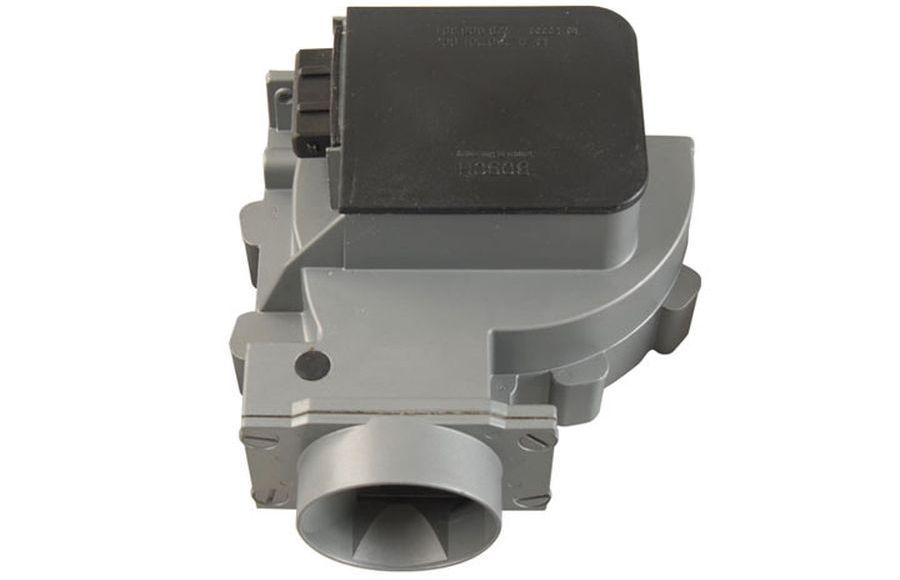
What Is a Vane Air Flow Sensor (VAF)? What Are the Symptoms of Failure?
A Vane Air Flow Sensor (VAF) is an older type of air intake measurement device used in some gasoline engines to determine how much air is entering the engine. The information provided by the sensor is used by the engine control unit (ECU) to calculate the appropriate amount of fuel to inject.
Unlike modern MAF (Mass Air Flow) sensors, which commonly measure airflow electronically using a heated wire or film, a VAF sensor uses a mechanical measuring flap or vane that moves according to the amount of incoming air.
VAF sensors were widely used in older fuel-injected engines, particularly before hot-wire and hot-film MAF technology became common.
How Does a VAF Sensor Work?
The basic operating principle is relatively simple.
Air entering the engine passes through the VAF housing and pushes against a spring-loaded measuring flap. As airflow increases, the flap moves farther from its resting position.
This movement is converted into an electrical signal by a potentiometer or similar position-sensing mechanism.
The ECU receives this signal and uses it to estimate the amount of air entering the engine.
In simplified form, the process is:
Air enters intake → Air pushes the vane → Vane position changes → Electrical signal changes → ECU calculates engine airflow → Fuel injection is adjusted
The vane is usually connected to a spring mechanism that provides resistance and returns the flap toward its resting position when airflow decreases.
What Is the Difference Between VAF and MAF?
Although both systems are used to determine engine airflow, they work in very different ways.
A VAF sensor measures airflow through the physical movement of a vane, while a typical MAF sensor measures the mass of incoming air electronically.
VAF systems contain moving mechanical components, making them more susceptible to mechanical wear.
A modern MAF sensor generally has no large moving flap. Instead, it uses a heated sensing element whose temperature changes according to the amount of air flowing across it.
VAF systems are generally associated with older engine designs, while MAF sensors became increasingly common in newer vehicles.
Where Is the VAF Sensor Located?
The VAF sensor is normally installed in the air intake system between the air filter housing and the throttle body.
The exact location depends on the engine design.
A typical intake path may look like:
Air filter → VAF sensor → Intake hose → Throttle body → Intake manifold → Engine
Because all of the engine's intake air passes through the sensor, an air leak after the VAF can cause the ECU's calculated airflow to differ from the actual amount of air entering the engine.
This is an important point when diagnosing VAF-related problems.
A faulty VAF is not always the reason for an incorrect airflow reading. Cracked intake hoses, loose clamps, vacuum leaks, incorrect air filter installation, or other intake problems can create similar symptoms.
What Are the Symptoms of a Bad VAF Sensor?
A failing VAF sensor can affect the air-fuel mixture and engine operation.
Common symptoms include:
-
Rough or unstable idle
-
Engine hesitation
-
Poor acceleration
-
Loss of engine power
-
Increased fuel consumption
-
Difficult starting
-
Engine stalling
-
Surging during acceleration
-
Misfires
-
Check engine light
-
Poor throttle response
-
Excessively rich or lean running
The severity of the symptoms depends on how inaccurate the sensor signal has become.
A sensor that is only slightly inaccurate may cause poor fuel economy or hesitation, while a severely worn or electrically defective sensor can cause major drivability problems.
Why Can a Faulty VAF Cause Poor Acceleration?
The ECU needs an accurate estimate of incoming air to determine how much fuel should be injected.
If the VAF reports less air than is actually entering the engine, the ECU may calculate an insufficient fuel quantity. This can result in a lean mixture, hesitation, or reduced power.
If the sensor reports too much air, the ECU may inject excessive fuel. This can produce a rich mixture, increased fuel consumption, poor throttle response, and potentially black exhaust smoke on some engines.
The problem can become particularly noticeable when the accelerator is pressed quickly because airflow changes rapidly and the ECU needs an accurate signal to respond correctly.
Rough Idle and Stalling
A VAF sensor problem can be particularly noticeable at idle.
At idle, the amount of air entering the engine is relatively small, so an inaccurate or unstable sensor signal can have a significant effect on fuel calculations.
Possible symptoms include:
-
Idle speed fluctuating
-
Engine shaking
-
Engine RPM dropping suddenly
-
Engine stalling when coming to a stop
-
Engine stalling when the throttle is released
-
Difficult cold starting
However, rough idle does not automatically mean the VAF is faulty.
Vacuum leaks, idle-control problems, dirty throttle bodies, ignition faults, fuel-pressure problems, and injector issues can produce similar symptoms.
Poor Fuel Economy
One of the common signs of an inaccurate VAF signal is increased fuel consumption.
If the sensor reports excessive airflow, the ECU may inject more fuel than necessary.
The driver may notice that the vehicle consumes more fuel even though driving conditions have not changed.
A rich mixture may also cause:
-
Strong fuel smell
-
Soot or carbon buildup
-
Dark exhaust smoke in some cases
-
Fouled spark plugs
-
Increased emissions
On the other hand, an airflow sensor that underestimates airflow may cause a lean condition and drivability problems.
Check Engine Light
A VAF sensor problem can trigger the check engine light when the ECU detects that the airflow signal is outside the expected range or does not correspond correctly with other engine parameters.
Depending on the vehicle, diagnostic trouble codes may relate to:
-
Airflow sensor circuit problems
-
Airflow signal range or performance
-
Intake air measurement
-
Lean mixture
-
Rich mixture
-
Throttle and airflow correlation
The exact code depends on the vehicle manufacturer and engine management system.
Therefore, the presence of an airflow-related fault code should not automatically be interpreted as proof that the VAF itself must be replaced.
What Causes a VAF Sensor to Fail?
Several problems can affect a VAF sensor over time.
Mechanical wear
Because the VAF uses a moving vane and potentiometer mechanism, the electrical contact area can wear after many years of operation.
This can produce unstable or intermittent signals at particular vane positions.
Dirt and contamination
Dust, oil vapor, and other contaminants can accumulate inside the intake system and affect the movement or electrical operation of the sensor.
Damaged measuring flap
The vane must move freely and return correctly. Physical damage, deformation, or excessive resistance can affect the airflow measurement.
Electrical problems
Damaged wiring, poor ground connections, corroded terminals, or loose connectors can create symptoms that appear to be caused by the sensor itself.
Air intake problems
Cracked intake hoses and air leaks can cause the actual airflow entering the engine to differ from what the sensor measures.
Can an Air Leak Cause a VAF Sensor Problem?
Yes, and this is one of the most important points when diagnosing older VAF-equipped engines.
If air enters the engine after the VAF sensor, that air has not been measured by the sensor.
For example:
Air filter → VAF → Intake hose → Air leak → Throttle body
The VAF measures the air passing through it, but additional unmetered air enters through the leak.
The ECU therefore calculates the fuel quantity based on an incorrect airflow value.
This can lead to:
-
Lean mixture
-
Rough idle
-
Hesitation
-
Stalling
-
Poor acceleration
-
Increased emissions
For this reason, intake leaks should be checked before condemning the VAF sensor.
How Is a VAF Sensor Diagnosed?
A proper diagnosis should not be based solely on symptoms.
The first step is usually to inspect the intake system and sensor physically.
Check for:
-
Cracked intake hoses
-
Loose clamps
-
Damaged connectors
-
Corroded terminals
-
Wiring damage
-
Incorrectly installed air filter
-
Contamination inside the intake
-
Restricted airflow
-
Vane movement problems
The VAF flap should generally move smoothly without sticking.
A scan tool can also be used to examine related fuel-trim and engine data.
Depending on the vehicle, a technician may check:
-
Airflow sensor voltage
-
Sensor reference voltage
-
Ground voltage
-
Signal continuity
-
Fuel trims
-
Engine RPM
-
Throttle position
-
Intake air temperature
-
Oxygen sensor readings
On older VAF systems, checking the sensor signal while slowly moving the vane can reveal worn areas in the potentiometer.
An unstable or interrupted electrical signal at a particular vane position can indicate internal wear.
Can You Test a VAF Sensor With a Multimeter?
Yes, many VAF sensors can be tested with a multimeter, but the exact testing procedure depends on the sensor design.
The technician first identifies the correct terminals for:
-
Power supply
-
Ground
-
Signal output
-
Other sensor circuits
The signal voltage should generally change progressively as the vane moves.
If the voltage suddenly drops, jumps, or becomes unstable at a particular position, the potentiometer or sensor mechanism may be worn.
However, blindly applying voltage or probing unknown terminals can damage the sensor or ECU.
The correct wiring diagram and manufacturer-specific specifications should therefore be used.
Should a VAF Sensor Be Cleaned?
Cleaning a VAF sensor requires caution.
A VAF sensor is different from a typical hot-wire MAF sensor, and the correct cleaning procedure depends on its construction.
The mechanical flap should not be forced or bent. Excessive force can change its calibration.
Harsh solvents should also be avoided unless the manufacturer specifically approves them.
If contamination is present, the sensor should be cleaned using a method appropriate for that specific sensor design.
In some cases, cleaning will not solve the problem because the actual fault is worn electrical contacts, a damaged potentiometer, or a mechanical problem.
Can a Bad VAF Increase Fuel Consumption?
Yes.
An inaccurate airflow signal can cause the ECU to calculate an incorrect fuel quantity.
If the VAF reports more air than is actually entering the engine, the ECU may enrich the mixture unnecessarily.
This can result in increased fuel consumption and other rich-running symptoms.
However, increased fuel consumption can also be caused by many other problems, including:
-
Faulty oxygen sensor
-
Coolant temperature sensor problems
-
Fuel pressure problems
-
Leaking injectors
-
Thermostat problems
-
Ignition faults
-
Tire pressure
-
Brake drag
-
Driving conditions
Therefore, fuel consumption alone is not enough to diagnose a VAF failure.
Can a VAF Sensor Cause Engine Misfires?
Yes, an incorrect airflow measurement can contribute to misfires.
If the ECU receives an incorrect airflow signal, it may calculate an inappropriate fuel quantity. A mixture that becomes excessively lean or rich can interfere with normal combustion.
However, ignition coils, spark plugs, injectors, fuel pressure, compression, vacuum leaks, and valve problems are also common causes of misfires.
A VAF should therefore be considered as part of the overall diagnosis rather than automatically identified as the cause.
Is It Possible to Drive With a Faulty VAF Sensor?
The answer depends on the severity of the problem.
If the sensor signal is incorrect but the ECU can still recognize the fault, some engines may switch to a backup calculation strategy. The vehicle may continue to run, but performance and fuel economy can be affected.
A severely incorrect airflow signal can cause stalling, poor acceleration, misfires, or unstable engine operation.
Continuing to drive for a long time with an excessively rich or lean mixture is not recommended because it can increase emissions and potentially damage components such as the catalytic converter.
VAF Sensor Replacement
If testing confirms that the VAF sensor itself has failed, replacement is normally the appropriate repair.
When replacing the sensor, it is important to:
-
Use the correct sensor for the engine
-
Inspect the intake system for leaks
-
Check the electrical connector
-
Inspect the wiring
-
Make sure the air filter is installed correctly
-
Verify the sensor signal after installation
-
Clear diagnostic trouble codes when appropriate
-
Confirm that the fault does not return
On some older systems, replacement sensors may require adjustment or calibration according to the manufacturer's specifications.
A used sensor should also be selected carefully because an apparently functional VAF may already have internal potentiometer wear.
VAF Sensor Failure Should Be Diagnosed, Not Assumed
The VAF sensor plays an important role in calculating the engine's air-fuel mixture. Its mechanical vane measures incoming airflow and converts the vane position into an electrical signal that the ECU can use.
Typical failure symptoms include rough idle, hesitation, poor acceleration, increased fuel consumption, stalling, misfires, and a check engine light.
However, these symptoms can also be caused by intake leaks, wiring problems, fuel-system faults, ignition problems, or other engine-management components.
For that reason, replacing the VAF immediately after seeing an airflow-related fault code is not always the correct approach. Checking the intake system, wiring, sensor movement, electrical signal, fuel trims, and related engine data can help determine whether the sensor itself is actually responsible for the problem.