TR
TR EN
EN

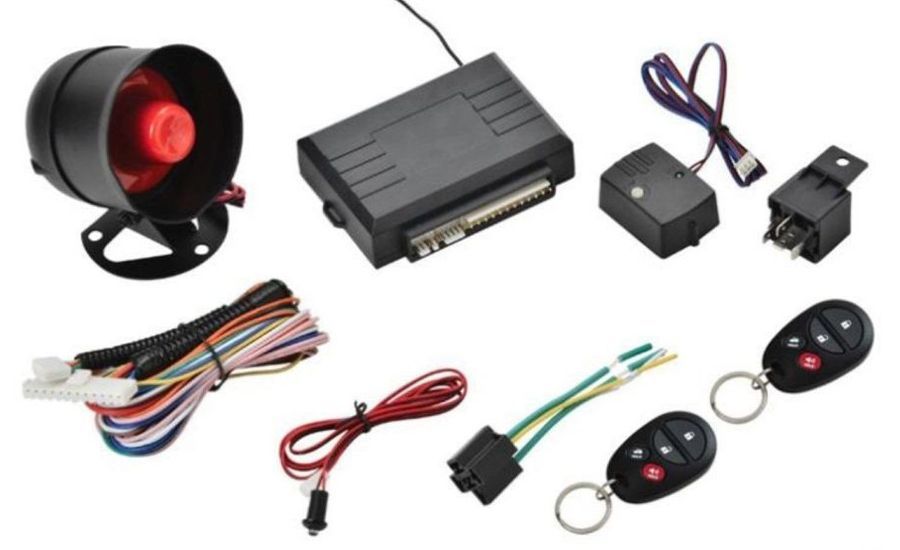
What Is an Immobilizer? What Are the Symptoms of Immobilizer Failure?
An immobilizer is an electronic anti-theft system designed to prevent a vehicle from being started with an unauthorized key.
Unlike a traditional mechanical steering lock or ignition lock, an immobilizer electronically verifies whether the key or key card belongs to the vehicle. If the system recognizes the correct key, it allows the engine ECU to authorize starting. If the key cannot be authenticated, the engine may crank without starting or, depending on the vehicle, the starter may not operate at all.
Modern immobilizer systems are closely integrated with the vehicle's key, body control module, engine ECU, antenna system and, in some vehicles, the keyless entry and Start & Stop system.
How Does an Immobilizer Work?
When the driver unlocks and starts the vehicle, the immobilizer system checks the identity of the key.
Depending on the vehicle, the system may include:
-
Transponder inside the key
-
Keyless entry or key-card system
-
Immobilizer antenna
-
Body control module
-
Engine ECU
-
Instrument cluster
-
Steering lock
-
Start & Stop button
The key contains an electronic identification code. The vehicle reads this information and compares it with the authorization data stored in its electronic control system.
If the key is accepted, the engine ECU receives authorization to start the engine.
If authentication fails, the immobilizer can prevent the engine from starting.
What Are the Symptoms of Immobilizer Failure?
An immobilizer problem can produce several different symptoms. The most common ones include:
-
Engine does not start
-
Engine cranks but does not start
-
Starter does not operate
-
Immobilizer warning light remains on
-
Immobilizer light flashes continuously
-
Key is not detected
-
"Key Not Detected" message appears
-
Start button does not respond
-
Vehicle starts intermittently
-
Vehicle starts with one key but not another
-
Immobilizer or anti-theft warning appears on the dashboard
The exact symptoms depend on the vehicle's immobilizer design.
Immobilizer Warning Light Stays On
Most vehicles briefly illuminate the immobilizer or security light when the ignition is switched on.
This can be part of the normal system check.
However, if the light remains on after starting or continues flashing abnormally, there may be a problem with key recognition or the immobilizer system.
The symbol can look different depending on the manufacturer. It may appear as:
-
A key
-
A padlock
-
A car with a key
-
A security symbol
The owner's manual should be consulted to determine the exact meaning of the warning light.
Engine Cranks but Does Not Start
One of the most important symptoms of an immobilizer problem is an engine that cranks normally but refuses to start.
If the immobilizer does not authorize the engine ECU, the vehicle may disable fuel injection, ignition or other engine-starting functions.
However, an engine that cranks but does not start does not automatically mean an immobilizer problem.
Fuel pressure, injectors, ignition, crankshaft position sensors and other engine-management components can produce similar symptoms.
Starter Does Not Operate
Some vehicles prevent the starter from operating when the immobilizer system has not authorized the key.
In this situation, pressing the Start button may produce no response, or you may hear only a click.
Possible causes can include:
-
Immobilizer authorization failure
-
Key recognition problem
-
Low battery voltage
-
Starter relay problem
-
Brake or clutch switch
-
Start button problem
-
Body control module problem
Therefore, the starting circuit should be checked together with the immobilizer system.
Key Is Not Recognized
A vehicle may display a message such as "Key Not Detected" when the immobilizer cannot identify the key.
Possible causes include:
-
Weak key battery
-
Damaged key
-
Faulty transponder
-
Immobilizer antenna failure
-
Key programming problem
-
Radio interference
-
Vehicle battery problem
-
Body control module fault
If the vehicle has a spare key, testing it can be a useful first diagnostic step.
Weak Key Battery
A weak key battery can cause problems with keyless entry and, depending on the vehicle, key recognition.
Symptoms may include:
-
Reduced remote locking range
-
Intermittent key recognition
-
"Key Not Detected" warning
-
Difficulty starting the vehicle
Many modern vehicles have an emergency method for recognizing the key when its battery is weak or completely discharged.
The exact procedure varies by manufacturer.
Low Vehicle Battery Voltage
The vehicle's main 12-volt battery can also cause immobilizer-related problems.
Modern vehicles contain multiple electronic control modules that must communicate with each other before the engine is allowed to start.
When battery voltage becomes too low, the vehicle may produce several unrelated warnings at the same time.
Possible symptoms include:
-
Immobilizer warning
-
Key recognition problems
-
Start button failure
-
Multiple dashboard warning lights
-
Instrument cluster resets
-
Clicking relays
-
Intermittent starting problems
For this reason, battery voltage should be checked before replacing immobilizer components.
Immobilizer Antenna Failure
The immobilizer antenna is responsible for communicating with the key's transponder or detecting the key in a keyless system.
Depending on the vehicle, the antenna can be located around:
-
Ignition switch
-
Steering column
-
Start button
-
Center console
-
Key-card storage area
A faulty antenna or damaged antenna wiring can prevent the vehicle from recognizing a perfectly functional key.
Key Programming Problems
A replacement key must normally be programmed or registered with the vehicle.
If the key has not been correctly programmed, the immobilizer may reject it.
This can happen after:
-
Key replacement
-
Adding a new key
-
ECU replacement
-
Body control module replacement
-
Immobilizer module replacement
-
Incorrect programming
-
Module synchronization problems
A key that looks identical to the original may still be unusable if its electronic authorization data is not correctly matched to the vehicle.
ECU and Immobilizer Communication Problems
The immobilizer system must communicate with the engine ECU before the engine can be started.
If this communication fails, the vehicle may behave as though an unauthorized key has been inserted.
Possible causes include:
-
Wiring problems
-
Corroded connectors
-
Low battery voltage
-
CAN communication faults
-
Body control module problems
-
ECU problems
-
Incorrect module configuration
A diagnostic scanner that can access the relevant electronic modules is normally required to investigate these faults.
Body Control Module Problems
The body control module, often called the BCM, can play an important role in immobilizer authorization.
A BCM problem may cause:
-
Key recognition failure
-
Immobilizer warning
-
Central locking problems
-
Start button problems
-
Communication faults
-
Multiple electrical warnings
In some cases, the module may need programming or synchronization rather than replacement.
Start & Stop Button and Immobilizer Problems
Vehicles equipped with a Start & Stop button have a more complex starting authorization process.
The vehicle may check:
-
Key recognition
-
Brake pedal position
-
Clutch pedal position
-
Steering lock
-
Transmission position
-
Immobilizer authorization
-
Engine ECU communication
A fault in one of these systems can prevent the engine from starting and may be mistaken for an immobilizer failure.
Can an Immobilizer Be Disabled?
The immobilizer is an important anti-theft system and should not normally be disabled.
Attempting to bypass the immobilizer can create additional electronic problems and may compromise the vehicle's security.
If the immobilizer prevents starting, the correct solution is to identify the reason for the authorization failure and repair the affected component or system.
How Is Immobilizer Failure Diagnosed?
The first step is usually a diagnostic scan.
A suitable diagnostic tool can check the relevant modules for stored fault codes and determine whether the key has been recognized.
A technician may inspect:
-
Key recognition status
-
Immobilizer status
-
Key programming
-
Antenna operation
-
Battery voltage
-
ECU authorization
-
BCM communication
-
Wiring and connectors
-
Start button
-
Brake or clutch switch
-
Steering lock
Live data can be especially useful when the problem occurs intermittently.
Does an Immobilizer Fault Always Mean the ECU Is Bad?
No.
An immobilizer warning does not automatically mean that the engine ECU needs to be replaced.
The actual problem may be something much simpler, such as:
-
Weak battery
-
Damaged key
-
Key programming issue
-
Faulty antenna
-
Corroded connector
-
Broken wire
-
Start button problem
-
Brake or clutch switch
-
Communication fault
Replacing an ECU without properly diagnosing the system can create additional programming and synchronization problems.
Can You Drive With an Immobilizer Warning?
If the vehicle starts normally but the immobilizer warning remains illuminated, it is advisable to have the system checked.
An intermittent immobilizer problem can eventually turn into a complete no-start condition.
If the engine will not start at all, the vehicle should be diagnosed rather than repeatedly attempting to start it.
What Should You Check First?
If the immobilizer light comes on and the vehicle refuses to start, start with the simplest possibilities:
-
Check the vehicle battery.
-
Check the key battery if applicable.
-
Try the spare key.
-
Look for a "Key Not Detected" message.
-
Check whether the starter motor operates.
-
Check whether the brake or clutch pedal is recognized.
-
Scan the vehicle for immobilizer and communication fault codes.
-
Inspect the immobilizer antenna and wiring if necessary.
This approach helps distinguish a key-related problem from a vehicle-side immobilizer or starting-system fault.
An immobilizer is not simply a warning light or a single component. It is a security system involving several electronic components that must communicate correctly before the engine is authorized to start. For this reason, the warning light alone is not enough to identify the faulty part. Proper diagnosis should determine whether the key is recognized, whether starting authorization is being granted and whether the communication between the immobilizer, body control system and engine ECU is functioning correctly.