TR
TR EN
EN

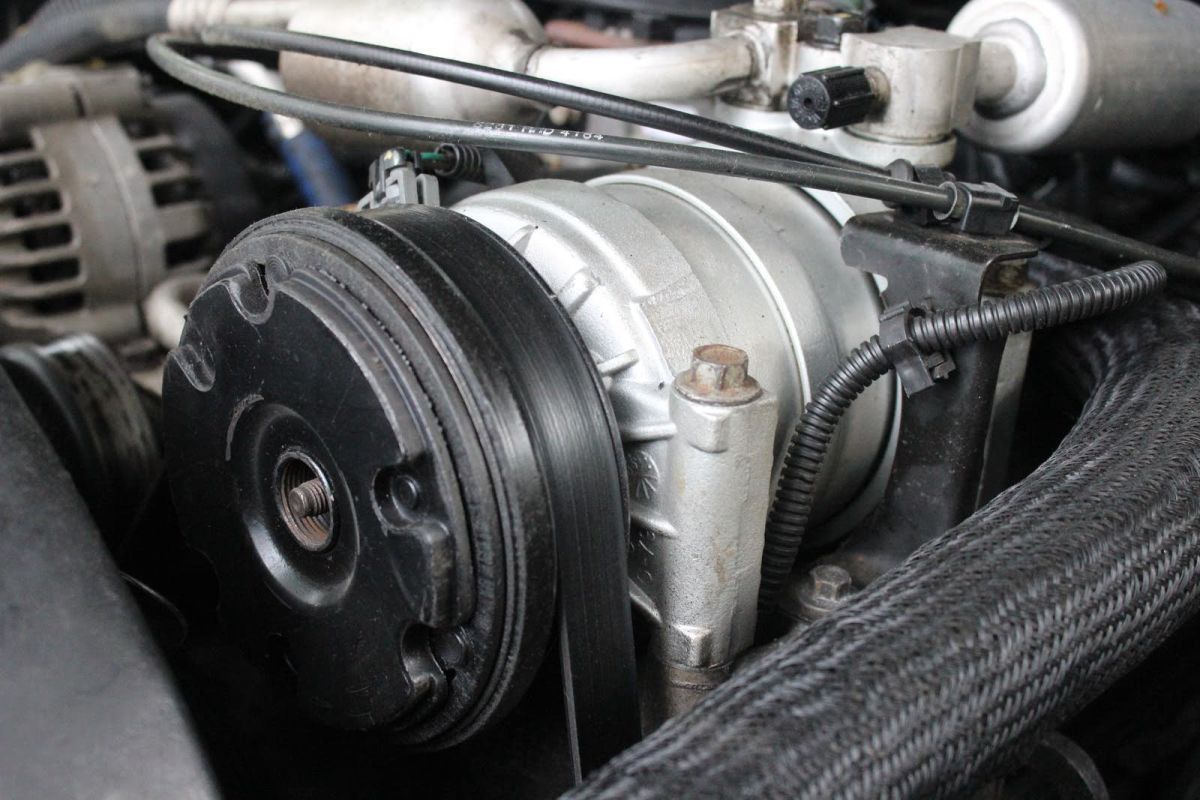
What Is an Air Conditioning Compressor? What Are the Symptoms of Failure?
The air conditioning compressor is one of the most important components of a vehicle's air conditioning system. Its job is to circulate and compress the refrigerant so that the air conditioning system can remove heat from the cabin and produce cold air.
The compressor is often described as the heart of the vehicle's A/C system because it keeps the refrigerant moving between the low-pressure and high-pressure sides of the system.
When the compressor starts to fail, the first symptom may simply be weak cooling. However, a damaged compressor can also produce unusual noises, increase engine load, cause belt problems or even contaminate the entire A/C system.
How Does an A/C Compressor Work?
In a conventional system, the compressor is driven by the engine through the accessory belt.
The compressor receives low-pressure refrigerant vapor from the evaporator and compresses it. This increases the refrigerant's pressure and temperature.
The high-pressure refrigerant then moves toward the condenser, where heat is released into the outside air.
The basic refrigeration cycle involves:
-
Compressor
-
Condenser
-
Expansion valve or orifice tube
-
Evaporator
-
Refrigerant
-
Receiver-drier or accumulator
The compressor keeps the refrigerant circulating through this system.
What Powers the A/C Compressor?
Traditional compressors are usually driven mechanically by the engine's accessory belt.
Depending on the vehicle, the compressor may use:
-
Electromagnetic clutch
-
Variable displacement control valve
-
Electronic compressor control
-
Direct mechanical drive
Hybrid and electric vehicles can use a high-voltage electric A/C compressor instead of a belt-driven compressor.
This difference is important because electric compressors have different diagnostic and safety requirements.
What Are the Symptoms of a Bad A/C Compressor?
A failing compressor can produce several symptoms.
Common signs include:
-
Air conditioning does not cool properly
-
A/C cooling is intermittent
-
Loud noise when the A/C is switched on
-
Grinding or rattling from the compressor area
-
Squealing from the accessory belt
-
Compressor clutch does not engage
-
Compressor remains engaged or cycles abnormally
-
Engine RPM changes excessively when A/C is activated
-
Refrigerant pressure is abnormal
-
Compressor pulley or bearing noise
-
A/C system blows warm air
Not every cooling problem means the compressor has failed. Refrigerant leaks, electrical faults, blocked components and condenser problems can produce similar symptoms.
Air Conditioning Does Not Blow Cold Air
Weak or absent cooling is one of the most common A/C complaints.
However, several different problems can cause warm air.
Possible causes include:
-
Low refrigerant level
-
Refrigerant leak
-
Compressor failure
-
Compressor clutch problem
-
Faulty pressure sensor
-
Expansion valve problem
-
Condenser airflow problem
-
Evaporator problem
-
Electrical control fault
For this reason, replacing the compressor simply because the air is not cold is not a good diagnostic approach.
Cooling Is Weak but Not Completely Gone
A compressor can lose efficiency without completely stopping.
In this situation, the A/C may produce cool air, but it may not become sufficiently cold, particularly when:
-
The vehicle is stationary
-
Outside temperatures are high
-
Engine speed is low
-
The vehicle is heavily loaded
Incorrect refrigerant charge or a partially failing compressor can both cause this symptom.
Loud Noise When the A/C Is Turned On
A noticeable change in noise when the A/C is activated can be an important clue.
Possible sounds include:
-
Grinding
-
Rattling
-
Humming
-
Whining
-
Clicking
-
Squealing
If the noise appears specifically when the compressor engages, the compressor or its clutch may require inspection.
However, other components driven by the same belt can also produce similar noises.
Grinding Noise From the Compressor
A grinding sound can indicate mechanical wear inside the compressor.
Possible causes include:
-
Damaged internal bearings
-
Worn compressor components
-
Insufficient lubrication
-
Internal compressor damage
-
Contaminated refrigerant or oil
A compressor that is producing severe grinding noise should be inspected before continued operation causes additional damage.
Squealing From the Accessory Belt
A squealing sound when the A/C is switched on does not necessarily mean that the compressor itself is defective.
The compressor increases the load on the accessory belt.
If the compressor is beginning to seize or requires excessive torque, the belt may slip and produce a loud squealing sound.
A worn belt, weak tensioner or damaged pulley can produce similar symptoms.
Compressor Clutch Does Not Engage
On vehicles equipped with a traditional electromagnetic compressor clutch, the clutch should engage when the A/C system requests compressor operation.
If it does not engage, possible causes include:
-
Low refrigerant pressure
-
Faulty pressure sensor
-
Blown fuse
-
Faulty relay
-
Wiring problem
-
Failed clutch coil
-
Climate control module problem
-
Compressor clutch failure
The compressor itself may therefore be perfectly healthy even when the clutch does not engage.
Compressor Clutch Stays Engaged
A compressor clutch that remains engaged when it should not can also indicate a problem.
Possible causes include:
-
Electrical relay stuck closed
-
Control circuit fault
-
Climate control module problem
-
Incorrect pressure signal
-
Wiring fault
This condition should be diagnosed because continuous compressor operation can increase system load and potentially cause additional damage.
A/C Causes a Significant Engine Load
It is normal for the A/C compressor to place some additional load on the engine.
However, if engine RPM drops dramatically when the A/C is switched on, or the engine nearly stalls, the compressor may be developing excessive mechanical resistance.
Possible causes include:
-
Compressor beginning to seize
-
Internal compressor damage
-
Accessory belt problem
-
Engine idle-control issue
-
Excessive system pressure
The compressor should be checked together with the rest of the A/C system.
Refrigerant Pressure Is Too High
An A/C system operates within a specific pressure range.
Excessively high pressure may be caused by:
-
Overcharged refrigerant
-
Poor condenser airflow
-
Blocked condenser
-
Cooling fan failure
-
Restriction in the system
-
Incorrect refrigerant
-
Compressor or control problem
High pressure can place additional stress on the compressor.
A pressure gauge or dedicated A/C diagnostic equipment should be used to determine the actual system condition.
Refrigerant Level Is Too Low
Low refrigerant can prevent the A/C system from operating correctly.
It can be caused by a leak in:
-
Compressor seals
-
Condenser
-
Evaporator
-
A/C hoses
-
Pipe connections
-
Service ports
A low refrigerant charge does not automatically mean the compressor is faulty.
The leak should be located and repaired before the system is recharged.
Compressor Oil Problems
A/C compressors require specialized refrigerant oil for lubrication.
If the system has insufficient oil, the compressor can suffer from excessive wear.
Too much oil can also negatively affect system operation.
Incorrect refrigerant or oil contamination can therefore contribute to compressor damage.
This is one reason why A/C system repairs should be performed using the correct refrigerant and oil specification.
Compressor Seizure
One of the most serious compressor failures is seizure.
A seized compressor may become extremely difficult or impossible to rotate.
On a belt-driven vehicle, this can cause:
-
Accessory belt slipping
-
Loud squealing
-
Belt damage
-
Pulley damage
-
Engine overheating if the same belt drives the water pump
-
Sudden loss of A/C operation
A seized compressor should not be operated until the cause and extent of the failure have been determined.
Can a Bad Compressor Damage Other Components?
Yes.
A severely damaged compressor can send metal particles or contaminated oil through the A/C system.
These particles may contaminate:
-
Condenser
-
Expansion valve
-
Evaporator
-
Refrigerant lines
-
Receiver-drier or accumulator
As a result, replacing only the compressor may not be sufficient after a catastrophic internal compressor failure.
The rest of the A/C system may need to be cleaned or specific components replaced.
Why Does the A/C Compressor Fail?
Several factors can contribute to compressor failure.
Common causes include:
-
Insufficient lubrication
-
Low refrigerant charge
-
Refrigerant leaks
-
Incorrect refrigerant
-
Incorrect oil
-
Contamination
-
Excessive system pressure
-
Electrical faults
-
Worn clutch or pulley
-
Normal mechanical wear
-
Seized internal components
Poorly performed A/C servicing can also shorten compressor life.
How Is an A/C Compressor Diagnosed?
A proper diagnosis should begin with the complete A/C system rather than the compressor alone.
A technician may check:
-
Refrigerant pressure
-
Compressor operation
-
Compressor clutch
-
Compressor pulley
-
Electrical supply
-
A/C pressure sensor
-
Condenser fan
-
Refrigerant level
-
System leaks
-
Temperature at the vents
-
Accessory belt and tensioner
If necessary, the compressor can be evaluated for mechanical resistance and internal damage.
Can an A/C Compressor Be Repaired?
It depends on the type of compressor and the nature of the failure.
Some problems, such as a worn clutch, pulley bearing or control valve, may be repairable without replacing the entire compressor.
If the compressor has suffered severe internal mechanical damage, replacement is usually the more reliable solution.
The decision should be based on the compressor's condition and the overall condition of the A/C system.
Does a Noisy Compressor Always Need to Be Replaced?
Not necessarily.
A noise from the compressor area can come from the:
-
Compressor clutch
-
Pulley bearing
-
Accessory belt
-
Belt tensioner
-
Idler pulley
-
Alternator
-
Other belt-driven components
For this reason, the exact source of the noise should be identified before replacing the compressor.
How Can Compressor Problems Be Prevented?
Regular A/C system maintenance can reduce the risk of compressor problems.
Useful practices include:
-
Repair refrigerant leaks promptly.
-
Use the correct refrigerant specification.
-
Use the correct compressor oil.
-
Avoid incorrect refrigerant charging.
-
Keep the condenser clean.
-
Make sure the cooling fan operates correctly.
-
Inspect the accessory belt and tensioner.
-
Operate the A/C periodically, even during cooler seasons.
-
Have unusual compressor noises checked early.
Using the A/C periodically can help keep the system's seals and components lubricated and operating normally.
When Should an A/C Compressor Be Checked?
An A/C compressor should be inspected if the system suddenly becomes noisy, stops cooling, produces abnormal pressure readings or causes the accessory belt to squeal.
A compressor problem should be diagnosed together with the entire air conditioning system because warm air alone does not prove compressor failure.
The correct diagnosis should determine whether the problem is caused by the compressor itself, its clutch or control system, refrigerant level, pressure, electrical components or another part of the A/C circuit. This can prevent unnecessary compressor replacement and help avoid further damage to the system.