TR
TR EN
EN

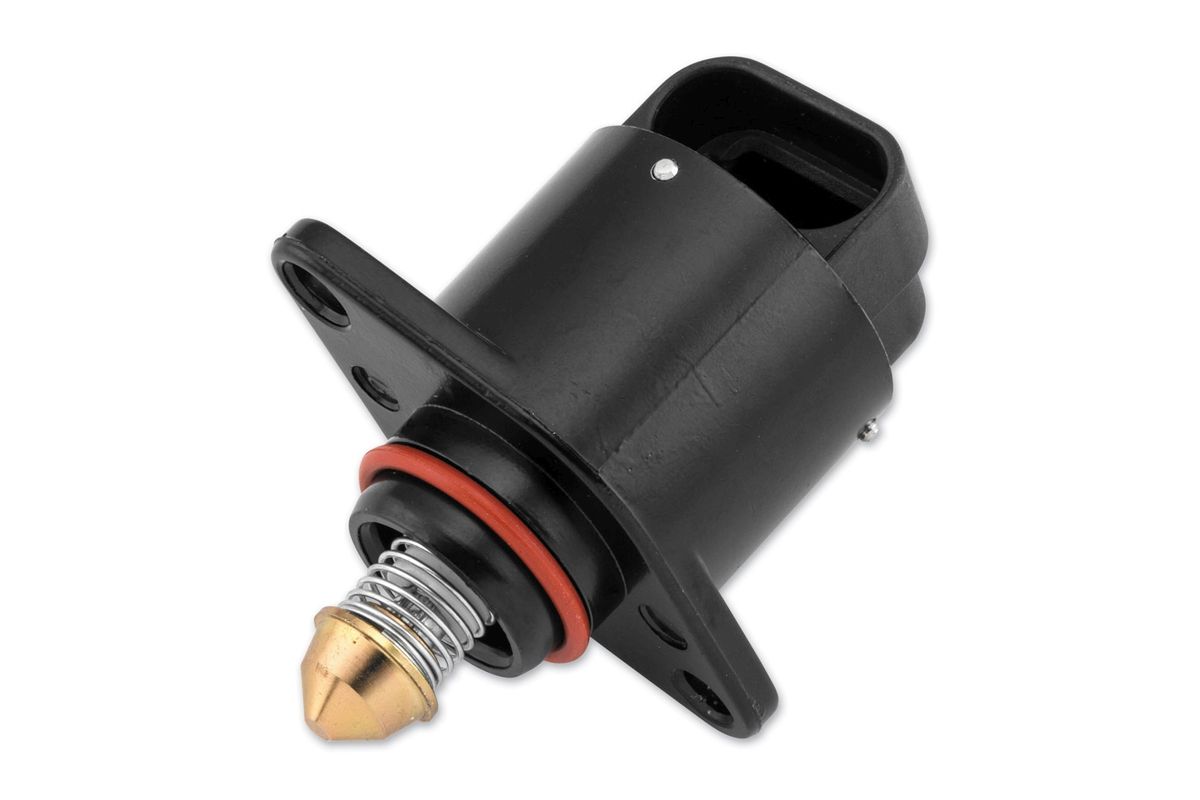
What Is an Idle Air Control Valve (IAC)? What Are the Symptoms of IAC Valve Failure?
The idle air control valve, commonly called the IAC valve, is a component used on many gasoline engines to control the amount of air entering the engine while the accelerator pedal is released.
At idle, the throttle is mostly closed, but the engine still needs a controlled amount of air to continue running. The IAC valve regulates this airflow so the engine can maintain a stable idle speed under different conditions.
When the IAC valve becomes dirty, sticks, or fails electrically, the engine may develop unstable idle, stalling, high idle speed, or difficulty starting.
It is worth noting that many newer vehicles do not use a separate IAC valve. Instead, idle speed is controlled electronically through the throttle body. Therefore, the correct system should be identified before replacing any component.
What Does the IAC Valve Do?
The main function of the IAC valve is to regulate bypass air when the throttle is closed.
When the engine is idling, the engine control unit (ECU) determines how much air is required to maintain the target RPM. It then controls the IAC valve accordingly.
The amount of required idle air can change depending on conditions such as:
-
Engine temperature
-
Electrical load
-
Air conditioning operation
-
Power steering load
-
Battery and alternator load
-
Cold starting
-
Engine accessories
-
Engine operating conditions
For example, when the air conditioner is switched on, the engine receives an additional load. The ECU may increase the amount of bypass air to prevent the engine speed from dropping too far.
How Does an IAC Valve Work?
There are different IAC designs, but the basic principle is similar.
The valve controls an air passage that bypasses the closed throttle plate. By opening or closing this passage, the ECU can regulate the amount of air entering the engine.
Depending on the design, an IAC valve may use:
-
A stepper motor
-
An electrically controlled solenoid
-
A movable pintle
-
An electronically controlled bypass mechanism
The ECU constantly adjusts the valve position according to the desired idle speed.
If the valve is dirty or mechanically stuck, the ECU may command a particular position without actually getting the expected airflow.
This can result in an unstable or incorrect idle speed.
What Are the Symptoms of a Bad IAC Valve?
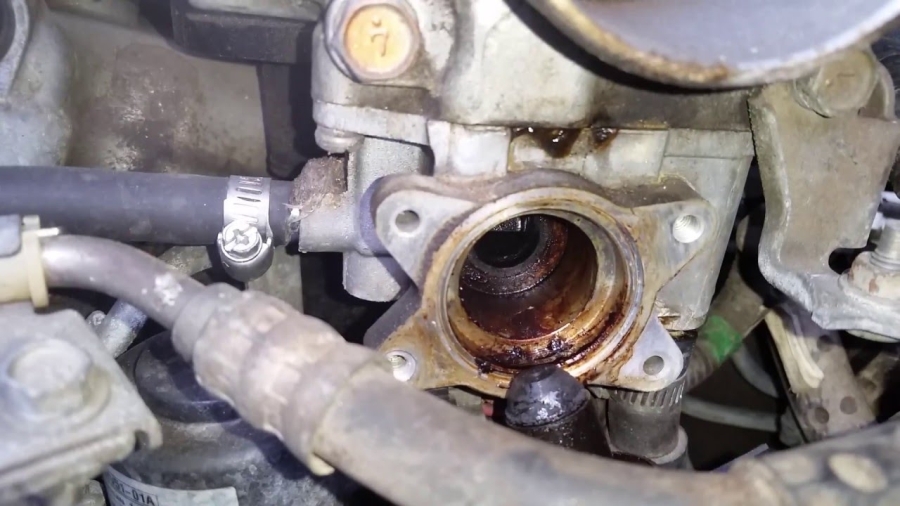
A failing IAC valve can produce several noticeable symptoms.
Common symptoms include:
-
Unstable idle speed
-
High idle RPM
-
Low idle RPM
-
Engine stalling at idle
-
Difficulty starting
-
Engine RPM rising and falling repeatedly
-
Engine stalling when the air conditioner is switched on
-
Stalling when coming to a stop
-
Poor idle quality after starting
-
Check engine light
-
Increased fuel consumption in some cases
The exact symptoms depend on whether the valve is stuck open, stuck closed, contaminated, or experiencing an electrical problem.
Unstable Idle Speed
One of the most recognizable symptoms is an unstable idle.
The engine may repeatedly increase and decrease its RPM without the accelerator pedal being touched.
This can happen because the ECU is constantly trying to compensate for an incorrect amount of idle air.
For example, the valve may allow too much air to enter. The RPM rises, so the ECU reduces the commanded airflow. The RPM then falls too far, causing the ECU to increase airflow again.
This cycle can produce an engine that appears to “hunt” for the correct idle speed.
High Idle RPM
A stuck-open IAC valve can allow more air into the engine than necessary.
As a result, the engine may idle significantly higher than normal.
Depending on the vehicle, you may notice that the engine remains at an unusually high RPM after starting or that the idle does not return to the expected level when the engine reaches operating temperature.
A vacuum leak can produce almost identical symptoms, so the IAC valve should not automatically be blamed.
Low Idle and Stalling
An IAC valve that is stuck closed or unable to provide enough bypass air can cause the engine to struggle at idle.
The engine may run normally when the accelerator is pressed but struggle as soon as the throttle is released.
This can result in:
-
Low idle speed
-
Shaking
-
RPM dropping suddenly
-
Stalling when stopping
-
Stalling when switching on the air conditioner
If the engine repeatedly stalls as soon as the accelerator is released, the idle air system should be inspected.
Engine Stalls When Coming to a Stop
A particularly common complaint is that the engine runs normally while driving but stalls when the vehicle slows down and comes to a stop.
When the accelerator is released, the throttle closes and the engine must transition back to idle operation.
If the IAC valve cannot respond correctly, the engine may not receive enough air during this transition.
This can cause the RPM to drop rapidly and the engine to stall.
However, similar symptoms can also be caused by vacuum leaks, dirty throttle bodies, EGR problems, fuel system issues, or sensor faults.
Difficulty Starting the Engine
The IAC system can also affect starting, particularly on engines that rely heavily on an IAC valve for cold-start airflow.
If the valve is stuck or heavily contaminated, the engine may have difficulty obtaining the correct amount of air immediately after starting.
The engine may:
-
Crank for longer than normal
-
Start and immediately stall
-
Require accelerator input to stay running
-
Start with an unusually high or low idle
If the engine starts more easily when the accelerator is slightly opened, the idle air system may be worth checking.
RPM Goes Up and Down by Itself
An engine whose RPM repeatedly rises and falls at idle may have an IAC problem, but this symptom should not be used as a definitive diagnosis.
Possible causes include:
-
Dirty IAC valve
-
Sticking IAC valve
-
Vacuum leak
-
Dirty throttle body
-
Faulty throttle position sensor
-
Incorrect air-fuel mixture
-
Mass airflow sensor problems
-
Engine coolant temperature sensor problems
-
EGR valve problems
-
Ignition problems
A proper diagnosis is therefore important before replacing the IAC valve.
Engine Stalls When the Air Conditioner Turns On
The air conditioning compressor places additional load on the engine.
The ECU normally compensates for this load by increasing the engine's idle airflow and adjusting the idle speed.
If the IAC valve does not respond correctly, the engine RPM may drop sharply when the compressor engages.
In severe cases, the engine may stall.
This symptom is particularly useful because it shows that the engine is having difficulty compensating for an additional load at idle.
Can a Dirty IAC Valve Cause Problems?
Yes. Carbon deposits and oil contamination can accumulate around the valve and its air passage.
Over time, this buildup can restrict airflow or prevent the valve mechanism from moving smoothly.
A dirty IAC valve may therefore behave differently from its commanded position.
Cleaning can sometimes restore normal operation, particularly when contamination is the only problem.
However, not every IAC problem can be solved by cleaning.
If the motor, solenoid, electrical circuit, or mechanical mechanism is damaged, replacement may be necessary.
How Is an IAC Valve Tested?
A proper IAC diagnosis should begin with the symptoms and then move to electrical and mechanical testing.
Depending on the vehicle, a technician may check:
-
Idle speed
-
IAC command data
-
IAC position or step count
-
Electrical resistance
-
Power supply
-
Ground circuit
-
Wiring
-
Connector condition
-
Vacuum leaks
-
Throttle body condition
-
Engine sensor data
-
Stored diagnostic trouble codes
On vehicles with an electronically controlled IAC system, a diagnostic scanner can provide valuable information about what the ECU is commanding.
If the ECU is commanding the valve to change but the engine RPM does not respond as expected, further testing is required.
Can a Vacuum Leak Cause the Same Symptoms?
Yes, and this is one of the most important points when diagnosing an idle problem.
A vacuum leak allows unmetered air to enter the engine. The result can look very similar to an IAC valve stuck open.
Possible symptoms include:
-
High idle
-
Rough idle
-
Fluctuating RPM
-
Lean mixture
-
Stalling
-
Difficult starting
Common leak points include vacuum hoses, intake manifold gaskets, PCV system components, and throttle body sealing surfaces.
Replacing the IAC valve without checking for vacuum leaks can therefore result in an unnecessary repair.
Can a Dirty Throttle Body Cause IAC Symptoms?
Yes.
The throttle body and IAC system work closely together on engines equipped with a separate idle air control valve.
Carbon buildup around the throttle plate can restrict or alter airflow and create unstable idle behavior.
In some engines, the throttle body itself performs the idle air control function. These engines do not have a traditional separate IAC valve.
This distinction is especially important when diagnosing modern vehicles.
Does Every Modern Car Have an IAC Valve?
No.
Older and many traditional gasoline engines commonly use a separate IAC valve.
Many modern engines instead use an electronic throttle body. In these systems, the ECU controls the throttle plate directly to regulate idle airflow.
Therefore, if a modern vehicle has an idle problem, replacing an “IAC valve” may not even be applicable.
The diagnostic procedure should follow the specific engine design.
How Can an IAC Valve Be Cleaned?
If the vehicle manufacturer allows cleaning and the valve is contaminated, the component can sometimes be removed and carefully cleaned.
The objective is to remove carbon and deposits from the airflow passage and moving mechanism without damaging the electrical portion.
Care should be taken because some IAC valves contain sensitive motors, solenoids, seals, or position mechanisms.
Aggressive cleaning or forcing the valve mechanism by hand can cause additional damage.
It is also important to follow the manufacturer's procedure because some systems require an idle relearn or adaptation procedure after cleaning or replacement.
Can Cleaning Fix a Bad IAC Valve?
It depends on the failure.
Cleaning may help if the problem is caused by:
-
Carbon buildup
-
Oil contamination
-
A sticking valve
-
Restricted airflow
Cleaning will not normally repair:
-
A burned-out motor
-
A failed solenoid
-
Damaged wiring
-
A failed electrical circuit
-
Broken internal components
-
A damaged connector
If the valve remains defective after cleaning and electrical testing, replacement may be necessary.
Can a Bad IAC Valve Increase Fuel Consumption?
It can.
An incorrect idle condition may cause the engine management system to compensate for abnormal airflow.
If the engine idles at a higher-than-normal RPM for extended periods, fuel consumption will also increase.
However, poor fuel economy alone is not enough to diagnose an IAC problem. Many other engine and fuel-system faults can increase fuel consumption.
Can an IAC Valve Cause a Check Engine Light?
Yes, depending on the vehicle and engine management system.
If the ECU detects that the actual idle speed or airflow does not correspond to the expected values, it may store a diagnostic trouble code.
The exact code varies between manufacturers and engine control systems.
A diagnostic scanner should therefore be used to identify stored codes and examine live data rather than replacing the IAC valve based only on symptoms.
IAC Valve Replacement
If testing confirms that the IAC valve has failed, replacement is usually more appropriate than attempting to repair the internal mechanism.
Before installing a new valve, the following should also be checked:
-
Wiring
-
Electrical connector
-
Vacuum hoses
-
Throttle body
-
Intake manifold sealing
-
Related sensors
-
Air intake system
After replacement, some vehicles may require an idle relearn procedure.
Simply installing a new valve without checking the rest of the idle air system can allow the original problem to return.
The Most Important Point When Diagnosing an IAC Problem
An unstable idle does not automatically mean the IAC valve is defective.
A similar symptom can be produced by a vacuum leak, dirty throttle body, incorrect fuel mixture, sensor failure, EGR problems, ignition faults, or electrical issues.
The best approach is to determine whether the engine is receiving the correct amount of air at idle and whether the ECU is successfully controlling that airflow.
If the vehicle uses a traditional IAC valve, the valve, wiring, airflow passage, and related intake components should be tested together. If it uses an electronic throttle body, the diagnosis should focus on throttle position, throttle actuator operation, airflow, wiring, and ECU control rather than looking for a separate IAC valve.
When the actual cause is identified first, unnecessary parts replacement can usually be avoided.