TR
TR EN
EN

What Is a Fuel Float? What Are the Symptoms of Fuel Float Failure?
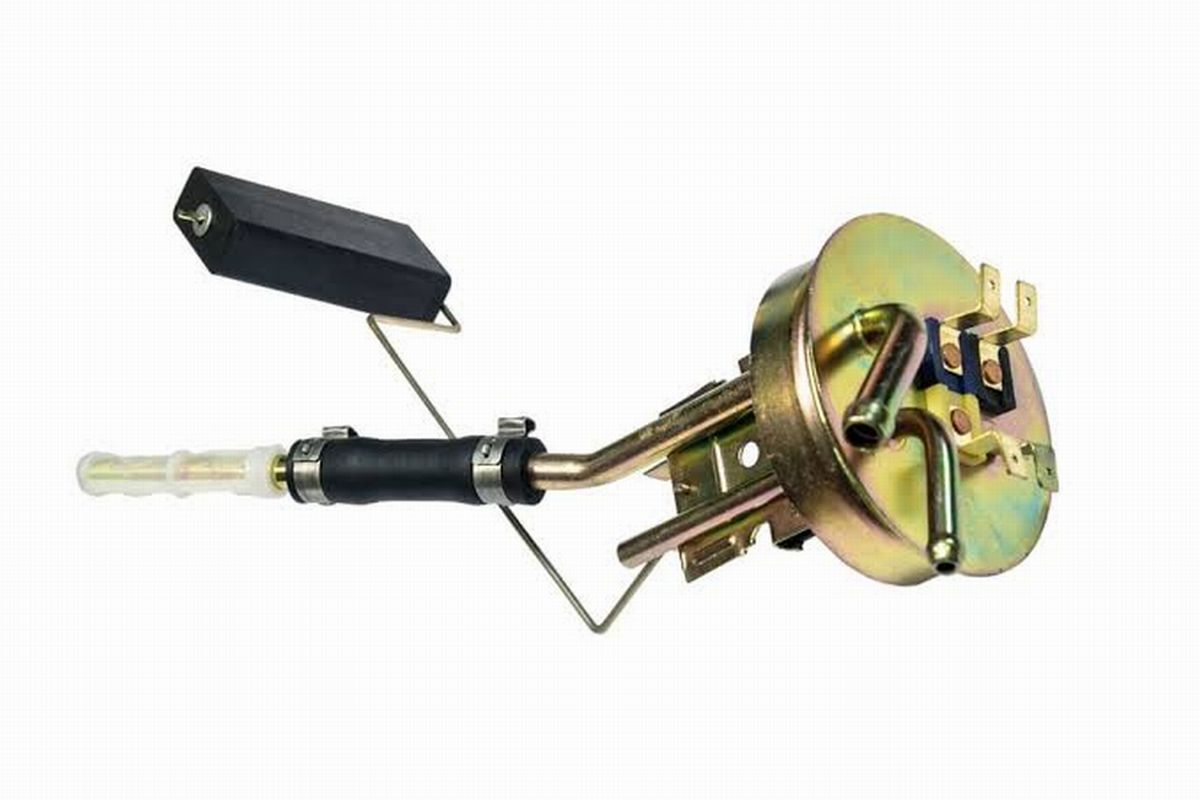
The fuel float is the mechanical component inside the fuel tank that moves according to the amount of fuel in the tank. Its movement is used to determine the fuel level and control the reading shown on the vehicle's fuel gauge.
The fuel float is generally connected to a fuel gauge mechanism through a float arm. As the fuel level rises, the float moves upward. As fuel is consumed, it moves downward.
Although the part has a relatively simple design, problems with the float or its mechanism can cause the fuel gauge to display an incorrect fuel level, remain stuck, or behave inconsistently.
How Does a Fuel Float Work?
The fuel float is designed to remain on the surface of the fuel inside the tank.
It is usually made from a lightweight, fuel-resistant material that allows it to remain buoyant.
The float is attached to an arm, and the arm moves as the fuel level changes. This movement is transferred to the fuel gauge mechanism.
In many vehicles, the float arm is connected to a variable electrical resistance mechanism. As the arm moves, the electrical signal changes, allowing the vehicle to determine the approximate fuel level.
The exact design differs between vehicles, but the basic principle remains the same: the position of the float changes according to the amount of fuel in the tank.
Where Is the Fuel Float Located?
The fuel float is located inside the fuel tank.
On many modern vehicles, it is incorporated into the fuel pump assembly. This means that the fuel pump, fuel float, and other fuel system components may be mounted together as one module.
Depending on the vehicle, the fuel float may be accessible after removing the fuel pump module.
Some vehicles with large or specially shaped fuel tanks may use more than one float or fuel-level measuring mechanism.
What Are the Symptoms of a Faulty Fuel Float?
A damaged or stuck fuel float can cause several noticeable problems.
The fuel gauge stays at Full
One common symptom is a fuel gauge that remains at Full even after the vehicle has been driven and fuel has been consumed.
This can happen when the float becomes stuck in the upper position or when the float arm cannot move freely.
The fuel gauge stays at Empty
The opposite problem can also occur.
The gauge may remain at Empty even though there is fuel in the tank. A float stuck in the lower position can produce this symptom.
An electrical problem in the fuel gauge circuit can cause the same result, so the float should not be blamed without proper inspection.
The fuel gauge shows an incorrect fuel level
The gauge may indicate that there is more or less fuel than is actually present.
For example, the tank may be nearly half full while the gauge indicates that it is almost empty.
A damaged float, bent float arm, or worn fuel-level mechanism can cause this problem.
The fuel gauge fluctuates excessively
Some movement of the fuel gauge can be normal because fuel moves around inside the tank during braking, acceleration, cornering, and driving on uneven roads.
However, excessive or sudden fluctuations can indicate a problem with the float mechanism.
If the gauge rapidly moves between different fuel levels without a corresponding change in fuel quantity, the float or its electrical mechanism should be inspected.
The fuel gauge changes when the vehicle hits bumps
A loose, damaged, or partially stuck float can react to movement inside the tank.
If the gauge suddenly changes when the vehicle goes over a bump and then returns to its previous position, the float mechanism may not be moving correctly.
A poor electrical connection can also produce similar symptoms.
Why Does a Fuel Float Get Stuck?
The float must move freely inside the fuel tank.
Over time, several problems can prevent normal movement:
-
A bent float arm
-
Mechanical damage to the float
-
Internal deformation of the float
-
Dirt or contamination inside the tank
-
Incorrect installation of the fuel pump module
-
Contact with another component inside the tank
-
Corrosion or mechanical wear
-
Damage caused during fuel system repairs
If the float becomes physically trapped, the fuel gauge may remain at a particular position regardless of the actual fuel level.
Can the Fuel Float Become Filled With Fuel?
Yes, depending on its design.
A damaged or deteriorated float can potentially lose its buoyancy if fuel enters its interior.
When this happens, the float may no longer remain at the correct position on the surface of the fuel.
Instead of moving normally with the fuel level, it may sit too low or remain in an abnormal position.
This can result in an incorrect fuel gauge reading.
Can the Fuel Float Break?
Yes.
The float itself can become damaged, while the float arm can also bend or break.
Because the float is located inside the fuel tank, physical damage may not be immediately visible without removing the relevant fuel tank component.
If the vehicle has recently undergone fuel pump or fuel tank repairs and the gauge suddenly stopped working correctly, the float assembly should be checked carefully.
Can the Fuel Pump Work While the Fuel Float Is Faulty?
Yes.
The fuel pump and fuel float perform different functions.
The fuel pump is responsible for delivering fuel to the engine, while the float is used to determine the fuel level.
Therefore, a vehicle can start, run, and drive normally while the fuel gauge gives an incorrect reading.
This is one reason why a fuel gauge problem does not automatically indicate a fuel pump failure.
Can a Faulty Fuel Float Cause the Car to Stop?
The fuel float itself normally does not cause the engine to stop.
Its main purpose is to indicate the amount of fuel in the tank.
However, an incorrect fuel gauge reading can indirectly lead to a vehicle running out of fuel.
For example, if the float remains in a position that makes the gauge show half a tank when the tank is actually nearly empty, the driver may continue driving and eventually run out of fuel.
Fuel Float and Fuel Gauge Problems After Fuel Pump Replacement
Fuel float problems can sometimes appear immediately after a fuel pump replacement.
This is important because the float is often attached to the fuel pump assembly.
Possible causes include:
-
The float arm being bent during installation
-
Incorrect positioning of the fuel pump assembly
-
Installing an incompatible fuel pump module
-
A loose electrical connector
-
Damage to the float
-
The float becoming trapped against another part of the tank
-
Incorrect assembly of the fuel gauge mechanism
If the fuel gauge worked correctly before the fuel pump was replaced but became inaccurate immediately afterward, the installation should be inspected before replacing additional parts.
How Is a Fuel Float Problem Diagnosed?
Diagnosis should begin by comparing the fuel gauge reading with the actual amount of fuel in the tank.
The technician can then inspect the fuel float and its movement.
Depending on the vehicle, the diagnostic process may include:
-
Checking the fuel gauge behavior
-
Inspecting the fuel pump module
-
Checking the float arm for damage
-
Moving the float through its operating range
-
Checking the electrical resistance of the fuel-level mechanism
-
Inspecting the wiring and connector
-
Checking live fuel-level information with a diagnostic scan tool
-
Comparing the reported fuel level with the actual fuel quantity
The float should generally move smoothly throughout its range.
If it sticks, moves irregularly, or cannot reach its normal positions, the float or associated mechanism may be faulty.
Is the Fuel Float the Same as the Fuel Level Sensor?
The terms are sometimes used interchangeably in everyday automotive language, but they are not necessarily the same physical component.
The fuel float is the buoyant mechanical part that moves with the fuel level.
The fuel-level measuring mechanism uses this movement to generate the information required by the fuel gauge.
In many vehicles, the float, float arm, and electrical measuring mechanism are assembled together. This is why a complete fuel pump module may be described as having a "fuel float" even though several components are actually involved in measuring the fuel level.
Can the Fuel Float Be Repaired?
If the problem is caused by a bent float arm, damaged wiring, or an installation issue, repair may sometimes be possible.
However, if the float itself is damaged or has lost its buoyancy, replacement is generally the better solution.
The availability of individual replacement components depends on the vehicle. Some manufacturers supply the float separately, while others supply the complete fuel pump module.
What Happens If You Continue Driving With a Faulty Fuel Float?
The vehicle may continue to operate normally, but the fuel gauge cannot be trusted.
This creates a practical risk because you may not know how much fuel is actually left in the tank.
If the gauge is stuck or inaccurate, it is advisable to monitor fuel consumption using the trip odometer until the problem is repaired.
However, this should only be considered a temporary precaution, not a substitute for repairing the fuel gauge system.
The Most Common Signs of Fuel Float Failure
A faulty fuel float or float mechanism may cause:
-
The fuel gauge to remain at Full
-
The fuel gauge to remain at Empty
-
Incorrect fuel level information
-
Excessive fuel gauge fluctuations
-
Sudden changes in the displayed fuel level
-
Fuel gauge movement when driving over bumps
-
A gauge that does not respond properly after refueling
-
Incorrect fuel readings after fuel pump replacement
-
Intermittent fuel gauge operation
A fuel gauge problem should not automatically be diagnosed as a defective fuel float. The float, float arm, electrical measuring mechanism, wiring, connectors, and dashboard gauge system can all produce similar symptoms.
If the float itself is confirmed to be damaged or stuck, replacing the defective component or the relevant fuel pump assembly can restore accurate fuel level information.