TR
TR EN
EN

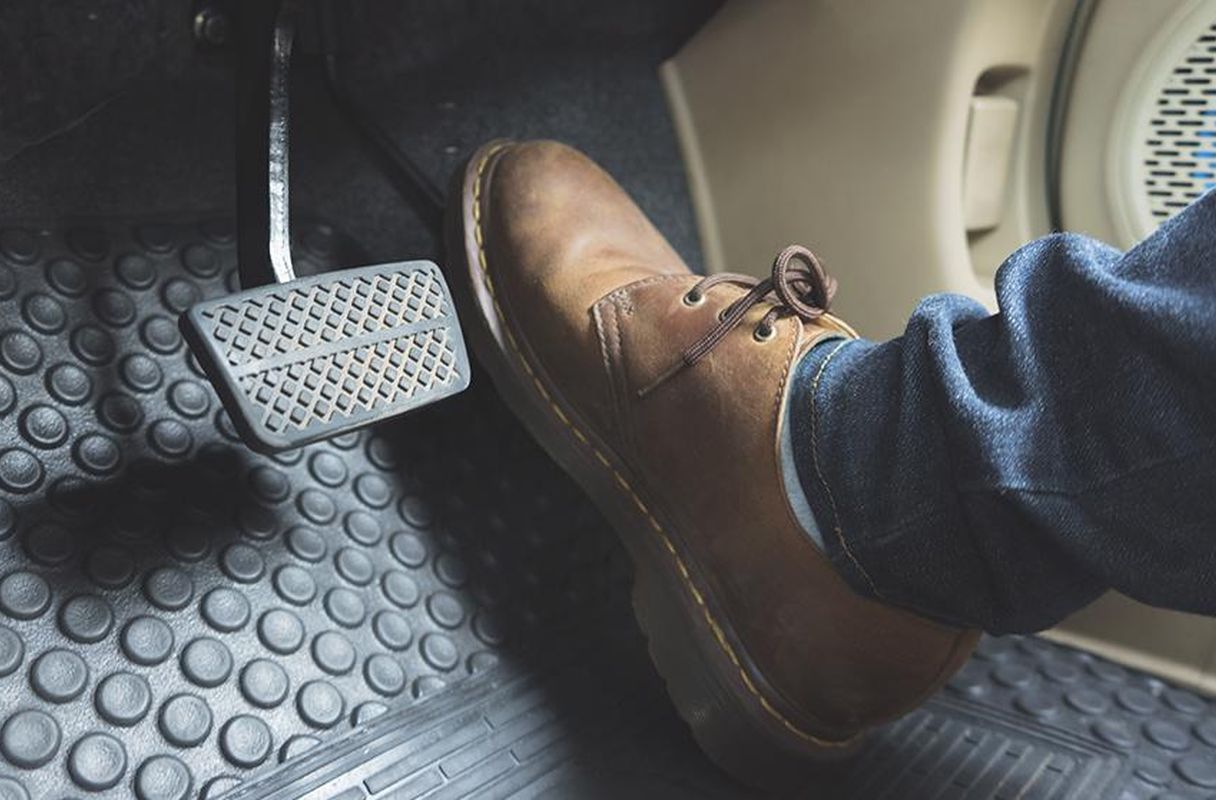
What Are the Causes of a Brake Pedal Dropping to the Floor?
A brake pedal that drops unusually far toward the floor, or almost reaches the floor when pressed, is a serious warning sign. A properly functioning brake pedal should have a firm and predictable feel. If the pedal suddenly becomes soft, travels much farther than usual, or continues moving downward while pressure is maintained, there may be a problem with the hydraulic braking system.
Because the brakes are a critical safety system, a brake pedal that reaches the floor should not be ignored. In severe cases, the vehicle may have significantly reduced braking ability.
Low or Leaking Brake Fluid
One of the most common causes is a loss of brake fluid.
The braking system uses hydraulic pressure to transfer the force from the brake pedal to the brake calipers or wheel cylinders. If brake fluid escapes from the system, hydraulic pressure can drop and the pedal may travel much farther than normal.
Leaks can occur at:
-
Brake hoses
-
Metal brake lines
-
Brake calipers
-
Wheel cylinders
-
The master cylinder
-
ABS hydraulic components
-
Brake pipe connections
If the brake fluid reservoir is noticeably below the normal level, the cause should be investigated rather than simply adding more fluid.
Air in the Brake System
Air inside the hydraulic brake system can also cause a soft or sinking brake pedal.
Unlike brake fluid, air can be compressed. When you press the brake pedal, some of the pedal movement is used to compress the trapped air instead of creating hydraulic pressure at the wheels.
This can make the pedal feel:
-
Soft
-
Spongy
-
Springy
-
Lower than normal
Air can enter the system after brake repairs, brake fluid replacement, a leak, or if the fluid reservoir has been allowed to become empty.
In this situation, the brake system may need to be properly bled to remove trapped air.
Brake Fluid Boiling or Overheating
Brake fluid can become extremely hot during heavy braking, particularly during:
-
Long downhill driving
-
Repeated hard braking
-
Towing
-
Track driving
-
Severe brake overheating
If the brake fluid reaches its boiling point, vapor can form inside the hydraulic system. Because vapor is compressible, the brake pedal can suddenly become very soft and may travel close to the floor.
This condition can be particularly dangerous because braking performance may deteriorate rapidly.
Internal Failure of the Master Cylinder
A faulty brake master cylinder is another important cause of a brake pedal that slowly sinks toward the floor.
The master cylinder creates hydraulic pressure when you press the brake pedal. Its internal seals separate different hydraulic circuits and maintain pressure.
If the internal seals become worn or damaged, brake fluid can bypass the seals inside the master cylinder. There may be no visible external leak, but the system may still be unable to maintain pressure.
A typical symptom is a pedal that:
-
Feels reasonably firm initially
-
Slowly moves downward while you keep pressing it
-
Becomes lower during prolonged pressure
-
May temporarily feel better after pumping the pedal
This type of problem should not be confused with normal brake pad wear.
Excessive Brake Pad or Shoe Travel
Worn brake components can sometimes increase pedal travel.
With disc brakes, severely worn pads require the caliper piston to extend farther to maintain contact with the brake disc. With drum brakes, excessive clearance between the brake shoes and drum can also increase pedal travel.
However, normal brake pad wear usually does not cause the brake pedal to suddenly fall completely to the floor. A very low pedal should therefore prompt a broader inspection of the hydraulic system and brake adjustment.
Brake Caliper Problems
A brake caliper that is sticking, leaking, or otherwise malfunctioning can affect pedal feel.
For example, a leaking caliper can cause brake fluid loss and reduce hydraulic pressure. A damaged caliper piston or seal can also create abnormal brake behavior.
A seized caliper more commonly causes:
-
One wheel to overheat
-
The vehicle to pull to one side
-
Uneven pad wear
-
Brake drag
-
Burning smells
If the caliper is leaking, however, the pedal can become soft or excessively low.
Rear Drum Brake Adjustment Problems
Vehicles equipped with rear drum brakes can develop excessive pedal travel if the brake shoes are not correctly adjusted.
The shoes need to remain relatively close to the drum. If the clearance becomes excessive, the wheel cylinders must move farther before the shoes contact the drum.
The result can be a brake pedal that travels farther than expected.
Some drum brake systems have automatic adjusters, while others may require manual adjustment depending on the design.
Brake Hose Problems
A damaged or internally deteriorated flexible brake hose can also cause abnormal brake behavior.
An internally damaged hose may restrict the movement of brake fluid or create unusual pressure behavior. External damage, swelling, or leakage is another concern.
Brake hoses should be inspected for:
-
Cracks
-
Bulges
-
Wet areas
-
Fluid leakage
-
Physical damage
-
Signs of aging
ABS Hydraulic Unit Problems
The ABS hydraulic control unit contains valves and hydraulic passages that control brake pressure during ABS operation.
A malfunction inside the ABS hydraulic unit can potentially affect hydraulic pressure and pedal feel.
This is less common than a basic fluid leak or master-cylinder problem, but it becomes more relevant when the pedal problem is accompanied by:
-
ABS warning light
-
Electronic brake-system warnings
-
Diagnostic trouble codes
-
Abnormal ABS operation
A scan tool capable of communicating with the ABS module may be required.
Brake Fluid Contamination or Incorrect Fluid
Brake fluid must meet the specification required by the vehicle manufacturer.
Using the wrong fluid or allowing the fluid to become heavily contaminated can affect brake-system operation and damage seals or other hydraulic components.
Brake fluid also absorbs moisture over time. Excessive moisture lowers its boiling point and can contribute to brake-fluid problems under heavy braking.
Why Does the Brake Pedal Sink While You Hold It?
This is an especially important symptom.
If you start the engine, press the brake pedal firmly, and maintain constant pressure, the pedal should generally remain relatively stable.
If the pedal continues sinking toward the floor without releasing it, an internal hydraulic pressure problem should be suspected. A master-cylinder internal bypass is one possible cause, although an external leak or another hydraulic fault must also be ruled out.
Why Does Pumping the Brake Pedal Make It Firmer?
If repeatedly pumping the brake pedal temporarily makes it feel harder, this can indicate excessive pedal travel or a hydraulic problem.
Possible causes include:
-
Air in the brake lines
-
Excessive brake pad or shoe clearance
-
A hydraulic leak
-
Master-cylinder problems
-
Other hydraulic-system issues
Pumping the pedal may temporarily improve the pedal feel, but it does not repair the underlying problem.
Can a Low Brake Pedal Be Caused by Brake Pad Wear?
Moderate brake pad wear generally does not cause the pedal to suddenly reach the floor.
As pads wear, the caliper piston gradually moves outward to compensate for the reduced friction-material thickness. This can slightly affect fluid level and pedal travel, but a very low or sinking pedal requires further diagnosis.
If the pedal suddenly became much lower than before, looking only at the brake pads is not sufficient.
Brake Pedal to the Floor After Brake Work
If the problem appeared after brake repairs, the timing is important.
Possible causes include:
-
Air remaining in the hydraulic system
-
Improper bleeding
-
A loose brake-line connection
-
A leaking component
-
Incorrectly installed parts
-
A brake caliper problem
-
Incorrect brake-fluid level
If the hydraulic system was opened during the repair, proper bleeding and a complete leak inspection are particularly important.
How Is a Brake Pedal That Drops to the Floor Diagnosed?
A proper diagnosis should begin with a complete visual inspection.
The technician should check:
-
Brake-fluid level
-
Brake-fluid condition
-
Brake lines and hoses
-
Calipers
-
Wheel cylinders
-
Master cylinder
-
ABS hydraulic unit
-
Brake pad and shoe condition
-
Rear brake adjustment
-
Signs of fluid leakage around the wheels and underneath the vehicle
The pedal should then be tested under controlled conditions.
If the pedal continues to sink while constant pressure is applied, the hydraulic system requires particular attention. A professional may also isolate hydraulic circuits or perform additional pressure tests to determine where pressure is being lost.
Is It Safe to Drive With a Brake Pedal That Reaches the Floor?
No.
A brake pedal that reaches the floor should be treated as a potentially serious brake-system failure.
Even if the brakes still appear to work, the condition can worsen suddenly. A small hydraulic problem can develop into a complete or partial loss of braking ability.
If the pedal has suddenly become very low or reaches the floor, the safest approach is to stop driving the vehicle and have the braking system inspected.
Brake Pedal Goes to the Floor but Brake Fluid Level Is Normal
A normal fluid level does not rule out a serious problem.
The vehicle can still have:
-
Internal master-cylinder bypass
-
Air in the system
-
Excessive brake-component travel
-
ABS hydraulic problems
-
Other internal hydraulic faults
Therefore, simply checking the reservoir is not enough.
Final Thoughts
A brake pedal dropping close to the floor is not a normal characteristic of a healthy braking system. The most important possibilities include brake-fluid leakage, air in the hydraulic system, master-cylinder failure, excessive brake-component travel, overheating, rear drum adjustment problems, and ABS hydraulic faults.
The exact symptom is important. A pedal that is soft from the first press, a pedal that becomes firmer after pumping, and a pedal that slowly sinks while you hold pressure can point toward different problems.
Because a brake-system failure can directly affect the ability to stop the vehicle, diagnosis should be performed before continuing to drive.