TR
TR EN
EN

What Is an Oil Pan? What Are the Symptoms and Causes of Oil Pan Failure?
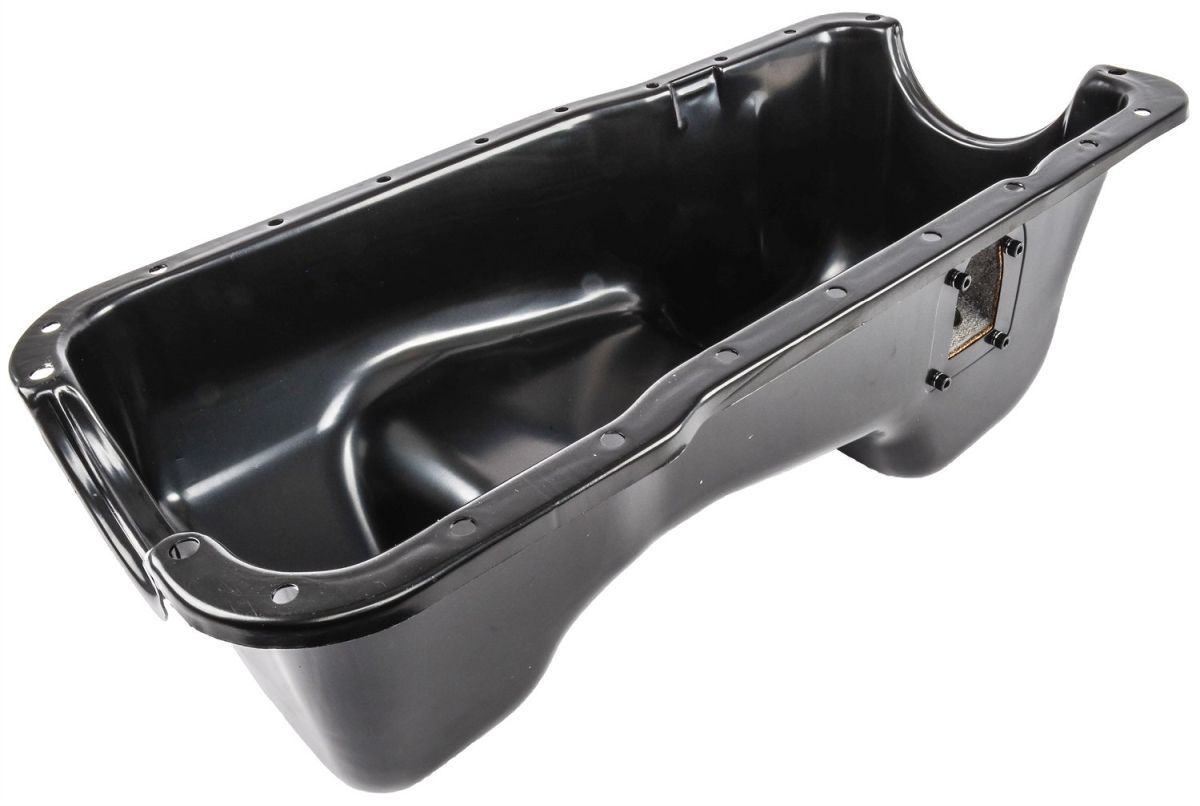
The oil pan is one of the most important components of an internal combustion engine's lubrication system. It is mounted to the bottom of the engine and serves primarily as the reservoir where engine oil collects after circulating through the engine.
Although the oil pan has a relatively simple structure, damage, leaks, deformation, or problems with its mounting surface can lead to serious engine problems. A small oil leak should therefore not always be ignored.
What Is an Oil Pan?
The oil pan, also called the engine oil sump, is the component located at the lowest part of the engine.

Engine oil is pumped from the oil pan into the engine's lubrication passages. After lubricating components such as the crankshaft, connecting rods, camshaft, and other moving parts, the oil flows back down into the pan by gravity.
The oil pan therefore acts as the engine's oil reservoir.
Depending on the engine design, the oil pan may be made from:
-
Stamped steel
-
Cast aluminum
-
Cast alloy
-
Composite materials
Some oil pans are relatively simple, while others include baffles, windage-control structures, drain plugs, oil-level sensors, or other integrated components.
How Does the Oil Pan Work?
The lubrication process can be summarized simply:
-
Engine oil collects in the oil pan.
-
The oil pump draws oil from the pan through the pickup tube.
-
The pump sends oil through the engine's lubrication system.
-
Oil reaches bearings, the crankshaft, camshaft, timing components, and other parts.
-
The oil eventually drains back into the oil pan.
-
The cycle continues while the engine is running.
The oil pan itself does not circulate the oil. Its main job is to store the oil and provide a stable supply for the oil pump.
This is why damage to the oil pan can indirectly threaten almost every lubricated component inside the engine.
What Are the Symptoms of a Faulty Oil Pan?
An oil pan does not usually "fail" mechanically in the same way as a pump or sensor. Most oil pan problems involve leakage, physical damage, deformation, or problems with the drain plug and sealing surface.
Common symptoms include:
Engine oil leaking underneath the vehicle
This is the most obvious symptom.
You may notice oil drops on the ground after parking the vehicle. Depending on the severity of the leak, there may be only a few drops or a large oil stain.
However, oil leaking from underneath the engine does not automatically mean the oil pan itself is damaged. Oil can run down from the valve cover, oil filter housing, crankshaft seal, turbocharger lubrication lines, or another component and eventually collect around the oil pan.
Low engine oil level
A significant oil pan leak can gradually lower the engine oil level.
If the leak is severe, the oil level can fall rapidly enough to create a serious lubrication problem.
Oil pressure warning light
If an oil leak causes the engine oil level to become dangerously low, oil pressure can fall.
The oil pressure warning light is a much more serious warning than simply seeing a small oil leak. Continuing to drive with an oil pressure warning can cause severe engine damage.
Oil around the oil pan
Fresh or wet oil around the pan, drain plug, or pan gasket area can indicate a leak.
The exact source should still be identified before replacing the pan.
Burning oil smell
If leaking oil reaches a hot exhaust component, it can produce a noticeable burning-oil smell.
In some cases, smoke may also appear from the engine compartment.
Damage after hitting an obstacle
A damaged oil pan may occur after the vehicle hits a rock, curb, speed bump, road debris, or another obstacle.
A severe impact can dent or crack the pan.
Oil pan drain plug leakage
Sometimes the oil pan itself is perfectly intact, but the drain plug leaks.
Possible causes include a damaged sealing washer, damaged plug threads, over-tightening, cross-threading, or damage to the drain-plug seat.
What Causes Oil Pan Problems?
Several different problems can lead to oil pan leakage or damage.
Physical impact
The oil pan is positioned underneath the engine, making it vulnerable to road debris and impacts.
A strong impact can:
-
Dent the pan
-
Crack an aluminum pan
-
Damage the drain plug
-
Damage the threads
-
Reduce clearance between the pan and internal components
-
Cause an immediate or gradual oil leak
A heavily dented pan should not simply be ignored.
Corrosion
Steel oil pans can eventually develop corrosion, particularly in vehicles exposed to moisture, road salt, mud, and poor underbody conditions.
Severe corrosion can eventually create pinholes or larger leaks.
Damaged oil pan gasket or sealant
Some engines use a conventional gasket, while others use liquid gasket or sealant between the oil pan and engine block.
Over time, the sealing material can deteriorate.
Incorrect installation during previous repairs can also cause leakage.
Loose or improperly tightened bolts
Oil pan mounting bolts need to be tightened according to the manufacturer's specifications.
Over-tightening can deform the pan or damage threads, while insufficient tightening can allow the sealing surface to leak.
Damaged drain plug threads
Repeated oil changes can eventually damage the threads if the drain plug is installed incorrectly.
Using excessive force or starting the plug at the wrong angle can cause cross-threading.
Over-tightened drain plug
A drain plug that is tightened excessively can damage the threads or deform the sealing area.
This is one reason why using the correct torque specification during oil changes is important.
Incorrect sealant application
On engines that use liquid gasket, too little sealant can cause leakage, while excessive or incorrectly applied sealant can create other problems.
Excess sealant may also separate internally and potentially interfere with the lubrication system if improperly applied.
Engine movement and vibration
The engine experiences considerable vibration and thermal expansion.
Over a long period, these forces can contribute to sealing problems, loose fasteners, or cracks in already weakened components.
Can a Dented Oil Pan Cause Engine Problems?
Yes, depending on the location and severity of the dent.
A relatively shallow dent may not cause an immediate problem. However, a significant deformation can reduce the space inside the oil pan.
More importantly, the dent can affect the distance between the bottom of the pan and the oil pickup tube.
If the oil pickup becomes too close to the bottom of the pan, oil flow to the pump can potentially be restricted.
This can contribute to insufficient lubrication and low oil pressure.
Therefore, a heavily dented oil pan should be inspected rather than simply assuming that it is harmless because it is not leaking.
What Happens If the Oil Pan Is Cracked?
A cracked oil pan can cause anything from a slow oil leak to rapid loss of engine oil.
The risk depends on the size and location of the crack.
A small crack may allow the engine to retain most of its oil for a while, whereas a large crack can cause oil to drain quickly.
If the oil level becomes too low, the oil pump may no longer be able to maintain adequate oil supply.
This can result in:
-
Bearing damage
-
Crankshaft damage
-
Camshaft lubrication problems
-
Timing component damage
-
Turbocharger damage on turbocharged engines
-
Severe engine wear
-
Engine seizure
For this reason, a major oil pan leak should not be treated as a minor cosmetic problem.
Is Every Oil Leak Caused by the Oil Pan?
No.
This is an important point when diagnosing an oil leak.
Oil can leak from many areas of an engine, including:
-
Valve cover gasket
-
Camshaft seals
-
Crankshaft seals
-
Oil filter housing
-
Oil cooler
-
Turbocharger oil lines
-
Oil pressure sensor
-
Vacuum pump
-
Timing cover
-
Oil pan gasket or sealant
-
Drain plug
Oil flows downward due to gravity, so the lowest wet point is not necessarily the actual source of the leak.
The engine should therefore be cleaned and inspected carefully when the source is unclear.
How Is an Oil Pan Leak Diagnosed?
A proper diagnosis starts with a visual inspection.
The technician should inspect:
-
The entire oil pan
-
Pan-to-engine sealing surface
-
Drain plug
-
Drain plug washer
-
Pan mounting bolts
-
Oil filter area
-
Upper engine surfaces
-
Oil cooler and oil lines
-
Crankshaft seal area
If necessary, the engine can be cleaned and monitored to determine where fresh oil first appears.
UV dye can also be used in some cases to help trace difficult-to-find leaks.
The oil level should also be checked before driving the vehicle.
Can an Oil Pan Be Repaired?
The repair depends on the material and extent of the damage.
A minor issue with a drain plug or sealing washer may be relatively simple to repair.
A damaged gasket or sealant can be replaced.
A steel oil pan with certain types of damage may sometimes be repairable, but replacement is often preferable when the pan is significantly deformed or corroded.
Cracked aluminum oil pans are generally more difficult to repair reliably, and replacement may be the better long-term solution.
If the pan has been severely damaged by an impact, the oil pickup and other components around the pan should also be inspected.
Should You Drive With an Oil Pan Leak?
It depends on the severity of the leak.
A very minor leak may allow the vehicle to be moved to a repair facility while the oil level is carefully monitored.
However, driving should be avoided if:
-
Oil is leaking rapidly
-
There is a large oil puddle underneath the vehicle
-
The oil level is below the safe range
-
The oil pressure warning light is illuminated
-
The engine is making unusual mechanical noises
-
The oil pan has been severely damaged
-
The vehicle has recently suffered a major underbody impact
If the oil pressure warning light comes on while driving, stopping the engine as soon as it is safe to do so is generally the safest approach.
Adding oil without repairing a major leak is not a proper solution.
Oil Pan vs. Oil Sump: Are They the Same?
In most automotive contexts, "oil pan" and "oil sump" refer to the same basic component.
The term "oil sump" is particularly common in technical terminology, while "oil pan" is widely used in everyday automotive language.
However, some engines use more complicated lubrication systems, such as dry-sump systems, where the oil storage arrangement differs significantly from a conventional wet-sump engine.
What Should Be Checked During an Oil Change?
An oil change is a good opportunity to inspect the oil pan.
The technician should check:
-
Oil pan condition
-
Drain plug condition
-
Sealing washer
-
Oil leaks
-
Corrosion
-
Damage or dents
-
Thread condition
-
Oil residue around the pan
-
Possible impact marks
The drain plug should be installed correctly and tightened to the specified torque.
This simple inspection can identify a developing problem before it becomes an expensive engine repair.
Can an Oil Pan Leak Cause Low Oil Pressure?
It can, but usually indirectly.
The oil pan itself does not normally create oil pressure. The oil pump generates pressure within the lubrication system.
However, if a leak causes the engine oil level to fall significantly, the oil pump may not receive enough oil.
This can result in insufficient lubrication and low oil pressure.
It is also important to remember that low oil pressure has many other possible causes, including:
-
Worn engine bearings
-
Faulty oil pump
-
Blocked oil pickup
-
Incorrect oil viscosity
-
Low oil level
-
Excessive internal engine wear
-
Faulty oil pressure sensor
-
Internal oil leakage
Therefore, an oil pressure warning should never automatically be blamed on the oil pan.
What Is the Difference Between an Oil Pan Leak and an Oil Filter Leak?
Both can leave oil underneath the vehicle, but their locations are different.
An oil filter or oil filter housing leak usually begins higher up on the engine. Oil may then run downward and make the oil pan appear wet.
An oil pan leak normally originates at the lower part of the engine around the pan sealing surface or drain plug.
Because oil can travel across engine components, identifying the highest fresh oil point is often more useful than simply looking at where oil has accumulated.
Final Thoughts
The oil pan is a simple component, but it plays a fundamental role in maintaining the engine's lubrication system. It stores the engine oil and provides the oil pump with a continuous supply.
The most common oil pan-related problems are leaks, damaged sealing surfaces, drain plug problems, corrosion, and physical deformation caused by impacts.
An oil leak underneath the vehicle should not automatically be attributed to the oil pan. The complete engine should be inspected to identify the actual source.
Most importantly, never ignore a significant oil leak or an oil pressure warning light. Insufficient engine oil can turn a relatively inexpensive sealing or oil pan problem into major engine damage.