TR
TR EN
EN

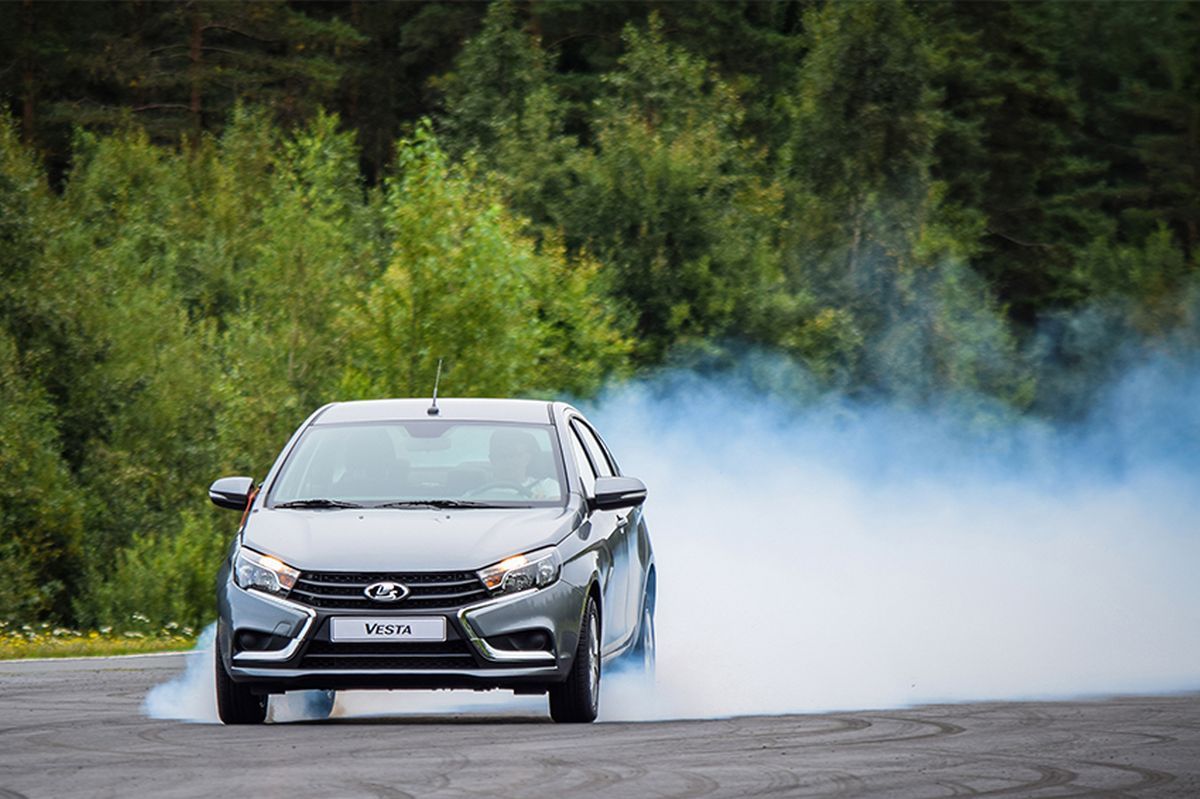
Why Does Smoke Come Out When You Press the Brake Pedal?
Seeing smoke or vapor when braking is not something that should be considered normal, especially if the smoke is coming from the wheel area. In most cases, it indicates that the brake system is generating excessive heat or that oil, grease, brake fluid, or another substance has reached a hot brake component.
A small amount of temporary vapor can occur after extremely heavy braking, but visible smoke should be investigated because overheating brakes can reduce braking performance and create a serious safety risk.
Where Is the Smoke Coming From?
Before diagnosing the problem, it is important to determine where the smoke actually originates.
If smoke appears from:
-
One front wheel
-
One rear wheel
-
Both wheels on the same axle
-
All four wheels
-
The engine bay
-
Under the vehicle
the possible causes can be very different.
Smoke coming directly from a wheel usually points toward a brake or wheel-related problem. Smoke from the engine compartment after braking may have a completely different cause.

The Most Common Cause: Overheated Brakes
Brakes naturally produce heat when the vehicle slows down.
When you press the brake pedal, the brake pads are forced against the brake discs or brake shoes against the drums. The vehicle's kinetic energy is converted into heat through friction.
During normal driving, this heat is dissipated into the surrounding air.
However, if the brakes become excessively hot, the temperature can become high enough to produce smoke.
This can happen after:
-
Repeated hard braking
-
Long downhill driving
-
Heavy towing
-
Driving with an overloaded vehicle
-
Aggressive driving
-
Continuous braking instead of using engine braking
In these circumstances, smoke may be accompanied by a strong burning smell.
A Seized Brake Caliper Can Cause Smoke
One of the more important causes of brake smoke is a brake caliper that does not release the brake pad properly.
Normally, when you release the brake pedal, the pads stop applying significant pressure to the disc.
If the caliper piston is seized or the caliper slides are stuck, one or both brake pads may remain in contact with the disc.
The wheel effectively continues braking even though you are no longer pressing the pedal.
This creates continuous friction and rapidly increases brake temperature.
Typical symptoms include:
-
Smoke from one wheel
-
Burning brake smell
-
One wheel becoming much hotter than the others
-
Vehicle pulling to one side
-
Reduced fuel economy
-
Increased rolling resistance
-
Uneven brake pad wear
-
Disc discoloration
-
Reduced braking performance after overheating
A severely dragging brake should not be ignored.
Stuck Brake Pads or Caliper Slides
The caliper itself does not necessarily have to be completely seized.
The brake pads can become stuck in their mounting hardware because of:
-
Corrosion
-
Dirt
-
Rust
-
Damaged clips
-
Incorrect installation
-
Swollen or contaminated components
Similarly, seized caliper guide pins can prevent the caliper from moving correctly.
In either case, the brake may not release completely.
The result can be constant friction and excessive heat.
Brake Hose Problems Can Also Cause Overheating
A damaged flexible brake hose can sometimes create a hydraulic restriction.
The internal structure of an old or damaged hose can deteriorate. In certain situations, brake pressure may reach the caliper but may not return normally after the pedal is released.
This can leave the brake partially applied.
The symptoms can resemble a seized caliper:
-
One wheel overheating
-
Burning smell
-
Smoke
-
Vehicle pulling
-
Excessive pad wear
-
Wheel becoming unusually hot
This is why replacing the caliper alone may not solve the problem if the underlying hydraulic restriction remains.
Brake Disc or Pad Problems
Severely worn, damaged, contaminated, or incorrectly installed brake components can also generate excessive heat.
For example, a brake disc with severe surface damage can cause abnormal contact with the pads.
Brake pads contaminated with oil or another substance may also behave differently and produce unusual odors or smoke when heated.
A severely overheated disc may develop:
-
Blue or purple discoloration
-
Heat spots
-
Cracks
-
Surface distortion
-
Uneven wear
However, not every discolored disc is automatically warped. The disc should be measured rather than judged only by its appearance.
Can New Brake Pads Produce Smoke?
Yes, a small amount of odor or light smoke can sometimes occur during the bedding-in process of new brake pads.
New pads and discs need to establish a proper contact pattern.
During initial use, some manufacturing residues or bedding material can produce an unusual smell.
However, heavy smoke, persistent smoke, or smoke coming from only one wheel is not something that should simply be attributed to new brake pads.
The brake system should be inspected if the smoke is substantial.
Brake Fluid Leak on a Hot Brake
Another potentially serious cause is brake fluid reaching a hot brake component.
A leaking:
-
Caliper
-
Brake hose
-
Brake pipe
-
Wheel cylinder
-
Brake fitting
can allow brake fluid to reach hot surfaces.
This can produce smoke or a burning smell.
More importantly, a brake fluid leak can reduce hydraulic pressure and cause loss of braking performance.
Possible warning signs include:
-
Soft brake pedal
-
Brake pedal traveling farther than usual
-
Brake fluid level dropping
-
Brake warning light
-
Fluid visible around the wheel
-
Smoke or burning smell
If brake fluid is leaking, the vehicle should not be driven until the problem has been repaired.
Could Oil or Grease Cause the Smoke?
Yes.
Smoke near a wheel does not always mean the brake itself is overheating.
Oil or grease can reach a hot brake disc from sources such as:
-
Wheel bearing area
-
CV joint
-
Axle
-
Suspension components
-
Engine or transmission leaks that travel downward
-
Incorrectly applied grease during service
When these substances reach a hot disc or other brake components, they can burn and produce smoke.
This type of contamination can also affect brake performance.
Rear Drum Brakes Can Also Produce Smoke
Vehicles equipped with rear drum brakes can experience similar problems.
A seized wheel cylinder, stuck brake shoe, damaged return spring, or parking-brake mechanism can prevent the shoes from releasing correctly.
The result is continuous friction inside the drum.
Because the brake assembly is enclosed, the problem may initially be noticed through:
-
Burning smell
-
Smoke around the drum
-
Excessive wheel temperature
-
Reduced performance
-
Unusual noises
A parking brake that does not release completely can produce similar symptoms.
Could the Parking Brake Be the Reason?
Absolutely.
If the parking brake remains partially engaged, the rear brakes can overheat.
This can happen because of:
-
A partially engaged handbrake
-
Seized parking-brake cables
-
Faulty electronic parking brake
-
Sticking rear caliper mechanism
-
Parking-brake actuator problems
If smoke appears from the rear wheels after driving with the parking brake partially applied, the rear brakes should be inspected carefully.
Why Does Smoke Appear Only When Braking?
If the brakes are already operating at an elevated temperature, additional braking can push the temperature beyond the point where materials begin producing visible smoke.
Another possibility is that a component only becomes problematic when hydraulic pressure is applied.
For example, a caliper piston may move under braking pressure but fail to retract or release correctly afterward.
Therefore, the fact that smoke appears when the brake pedal is pressed can be an important diagnostic clue.
Smoke From One Wheel vs. All Wheels
This distinction is useful.
Smoke from one wheel
A localized problem is more likely, such as:
-
Seized caliper
-
Stuck brake pad
-
Seized guide pin
-
Brake hose restriction
-
Wheel bearing/grease problem
-
Localized contamination
Smoke from both wheels on one axle
Possible causes include:
-
Excessive braking
-
Parking-brake problem
-
Hydraulic issue affecting the axle
-
Incorrectly installed components
Smoke from several or all wheels
This is more likely to occur after extremely heavy braking or under conditions causing widespread brake overheating.
However, a hydraulic or electronic brake-system problem can also affect multiple wheels.
What Does Overheated Brake Smell Like?
Overheated brakes often produce a strong, sharp burning odor.
Some people describe it as a chemical or resin-like smell.
The smell can remain noticeable even after the vehicle has stopped.
If the smell becomes extremely strong and is accompanied by smoke, the brakes may have reached a dangerously high temperature.
Can Overheated Brakes Cause Brake Failure?
Yes.
Brake systems can lose effectiveness when they become excessively hot.
One phenomenon is commonly called brake fade.
As temperatures rise, the friction characteristics of the brake pads can change, and the braking system may no longer provide the same stopping performance.
Severe overheating can also affect brake fluid.
If brake fluid becomes excessively hot, vapor can form in the hydraulic system. Because vapor is compressible, the brake pedal can become soft or feel abnormal.
This can significantly reduce braking performance.
What Should You Do If Your Brakes Are Smoking?
If you notice significant smoke from a wheel while driving, do not continue driving normally.
Safely stop the vehicle in a suitable location and allow the brakes to cool.
Do not immediately touch the wheel, brake disc, caliper, or drum. These components can remain extremely hot even after the smoke disappears.
Also avoid pouring cold water directly onto an extremely hot brake disc. Rapid temperature changes can create additional thermal stress.
If smoke returns, the wheel remains unusually hot, braking performance changes, or there is a brake-fluid leak, the vehicle should be inspected rather than driven further.
How Is the Problem Diagnosed?
A proper inspection should determine why the brake is overheating rather than simply replacing the brake pads.
A technician may check:
-
Brake pad movement
-
Caliper piston operation
-
Caliper guide pins
-
Brake hose condition
-
Brake fluid condition
-
Brake disc condition
-
Pad wear pattern
-
Wheel temperature differences
-
Parking-brake mechanism
-
Wheel bearing condition
-
Brake fluid leaks
-
Electronic parking-brake operation
Comparing the temperatures of the four wheels after a controlled test can also provide useful diagnostic information. One wheel that is significantly hotter than the others can indicate brake drag.
Should You Replace the Brake Pads Immediately?
Not necessarily.
If the brake has overheated severely, the pads may have been damaged or their friction characteristics may have changed.
The disc may also have been affected.
But replacing only the pads without determining why the brake overheated can result in the same problem happening again.
The caliper, guide pins, brake hose, parking-brake mechanism, and hydraulic system should be checked when appropriate.
Is Brake Smoke Dangerous?
Yes.
Brake smoke should be taken seriously because it indicates that the brake assembly may be reaching excessive temperatures or that another substance is burning on a hot component.
The potential consequences include:
-
Reduced braking performance
-
Brake fade
-
Damage to brake pads
-
Disc damage
-
Brake fluid overheating
-
Wheel bearing damage from excessive heat
-
Fire in extreme cases
A brake problem is therefore very different from an ordinary temporary smell after normal braking.
Final Thoughts
Smoke when pressing the brake pedal is usually associated with excessive brake heat, a brake that is not releasing properly, contamination, or a fluid leak.
Heavy braking on a long downhill road can temporarily overheat the brakes, but smoke from one wheel—particularly during ordinary driving—is a strong reason to investigate the system.
A seized caliper, stuck brake pad, restricted brake hose, parking-brake problem, leaking brake fluid, or contaminated brake component can all produce similar symptoms.
The most important clue is where the smoke comes from and whether one wheel is significantly hotter than the others. Identifying the actual cause is essential because simply replacing the pads may not solve the underlying problem.