TR
TR EN
EN

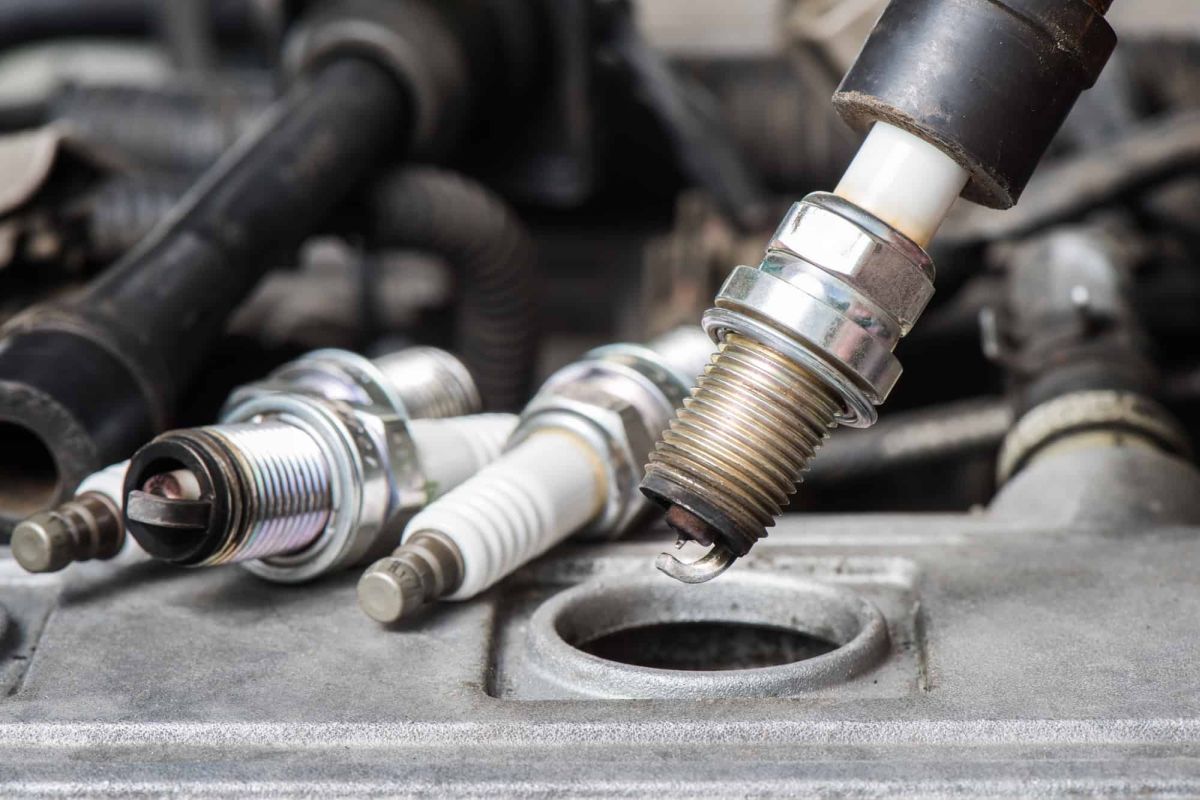
Why Do Spark Plugs Get Oily?
Spark plugs are an important part of a gasoline engine's ignition system. They ignite the air-fuel mixture inside the combustion chamber, allowing the engine to produce power.
When a spark plug becomes covered with engine oil, it is a sign that oil is reaching an area where it should not normally be present. However, the location of the oil on the spark plug is extremely important.
Oil on the outside of the spark plug is usually caused by a different problem than oil on the electrode or firing tip.
What Does an Oily Spark Plug Look Like?
An oily spark plug may have a wet, dark, or shiny appearance.
The oil can be found in different areas:
-
On the electrode and firing tip
-
Around the ceramic insulator
-
On the upper part of the plug
-
Inside the spark plug well
-
Around the ignition coil
-
On the threads
These locations provide important clues about the source of the oil.

Oil on the Spark Plug Electrode
If oil is present on the electrode and firing end of the spark plug, engine oil is likely entering the combustion chamber.
Possible causes include:
-
Worn piston rings
-
Excessive cylinder wear
-
Damaged cylinder walls
-
Worn valve stem seals
-
Valve-guide wear
-
Excessive crankcase pressure
-
PCV system problems
-
Turbocharger oil leakage on turbocharged engines
When oil enters the combustion chamber, it can contaminate the spark plug and interfere with proper ignition.
Worn Piston Rings
One of the more serious causes of an oily spark plug is worn or damaged piston rings.
Piston rings help seal the combustion chamber and control oil on the cylinder walls.
When the rings become excessively worn, engine oil can pass into the combustion chamber and burn together with the air-fuel mixture.
This may produce:
-
Oily spark plugs
-
Blue exhaust smoke
-
Increased oil consumption
-
Reduced compression
-
Loss of engine power
-
Misfires
-
Rough running
However, an oily spark plug alone does not prove that the piston rings are worn.
A compression test and, when necessary, a leak-down test can provide much more useful information.
Worn Valve Stem Seals
Valve stem seals prevent excessive engine oil from entering the combustion chamber through the valve area.
When these seals become hard, cracked, or worn, oil can seep into the combustion chamber.
A common symptom is blue smoke shortly after starting the engine, particularly after the vehicle has been sitting for a while.
Oil consumption and fouled spark plugs can also occur.
Depending on the engine design, valve-guide wear can produce similar symptoms.
PCV System Problems
The Positive Crankcase Ventilation (PCV) system removes crankcase vapors and manages crankcase pressure.
If the PCV valve or related components become blocked or malfunction, crankcase pressure can increase.
Excessive crankcase pressure can push oil vapor or liquid oil into areas where it should not be.
A PCV problem can therefore contribute to oil contamination and increased oil consumption without necessarily meaning that the engine has major internal wear.
This is one of the simpler causes that should be checked before assuming an engine rebuild is required.
Turbocharger Problems
Turbocharged engines have another possible source of oil entering the intake system.
A turbocharger is lubricated by engine oil. If the turbocharger develops an internal sealing or bearing problem, excessive oil can enter the intake or exhaust side.
Depending on the failure, this may result in:
-
Oil inside the intake system
-
Increased oil consumption
-
Blue exhaust smoke
-
Reduced engine performance
-
Oily spark plugs
-
Misfires
However, a small amount of oil residue in a turbocharged intake system does not automatically mean that the turbocharger has failed. Some oil vapor can enter the intake through the crankcase ventilation system under normal conditions.
Oil Inside the Spark Plug Well
This is a very different problem.
If the electrode is relatively dry but the outside of the spark plug or the spark plug well is covered with oil, the oil may not be coming from inside the combustion chamber.
A common cause is a leaking valve cover gasket or spark plug tube seal.
In engines with deep spark plug wells, oil can accumulate around the plug and ignition coil.
This can cause:
-
Misfires
-
Rough idle
-
Difficult starting
-
Ignition coil problems
-
Check Engine Light
-
Poor acceleration
The ignition coil can also become contaminated with oil.
Valve Cover Gasket Leakage
The valve cover seals the upper part of the engine.
When its gasket becomes damaged or hardened, engine oil can leak into the spark plug wells.
This problem is often relatively straightforward to repair compared with internal engine problems.
The important thing is to distinguish external oil leakage around the plug from oil entering the combustion chamber.
Can an Oily Spark Plug Cause a Misfire?
Yes.
Oil contamination can interfere with the spark and cause ignition problems.
Depending on the severity, the engine may experience:
-
Rough idle
-
Hesitation
-
Misfire
-
Reduced power
-
Increased fuel consumption
-
Difficult starting
-
Check Engine Light
If the ignition system repeatedly misfires, unburned fuel can enter the catalytic converter and potentially cause overheating and damage.
Why Is Only One Spark Plug Oily?
If only one spark plug is significantly oilier than the others, the problem may be localized to that cylinder.
Possible causes include:
-
Valve stem seal problem
-
Piston ring problem
-
Localized cylinder wear
-
Valve-guide problem
-
Head-gasket-related issue in certain circumstances
-
Spark plug tube seal leakage
-
Ignition-system contamination
The exact location of the oil is particularly important.
If oil is only around the outside of one plug, an external leak is more likely.
If oil is on the firing end, the cylinder itself should be investigated.
Why Are All Spark Plugs Oily?
If all spark plugs are showing similar oil contamination, the problem may be affecting the entire engine rather than a single cylinder.
Possible causes include:
-
Excessive crankcase pressure
-
PCV malfunction
-
General engine wear
-
High oil consumption
-
Incorrect engine oil level
-
Intake oil contamination
-
Turbocharger-related problems on turbocharged engines
The engine's overall condition and oil-consumption rate should be evaluated before reaching a conclusion.
Can Too Much Engine Oil Cause Oily Spark Plugs?
Yes, in some circumstances.
Overfilling the engine with oil can increase crankcase pressure and cause oil to enter the intake or combustion system through the crankcase ventilation system.
This can contribute to:
-
Oil consumption
-
Intake contamination
-
Spark plug fouling
-
Smoke
-
Rough engine operation
The oil level should therefore always be checked according to the manufacturer's recommended procedure.
What Happens If You Keep Driving With Oily Spark Plugs?
The engine may continue running, but ignoring the underlying problem is not advisable.
A contaminated spark plug can cause repeated misfires. Prolonged misfire can increase the temperature and load on the catalytic converter.
If the engine is consuming significant amounts of oil, continued operation can also reduce the oil level and eventually create lubrication problems.
If the Check Engine Light is flashing, the vehicle should not be driven unnecessarily because a severe active misfire may be occurring.
How Are Oily Spark Plugs Diagnosed?
The first step is to determine where the oil is located.
A technician should inspect:
The spark plug well
Oil around the outside of the plug points toward a possible valve cover gasket or tube-seal leak.
The firing end
Oil on the electrode indicates that oil may be entering the combustion chamber.
The ignition coil
Oil contamination on the coil can help confirm an external leak into the spark plug well.
Engine oil consumption
If the engine is regularly losing oil without visible external leaks, internal oil consumption should be investigated.
Compression
A compression test can help evaluate cylinder sealing.
Leak-down testing
A leak-down test can provide additional information about piston rings, valves, and cylinder sealing.
PCV operation
The crankcase ventilation system should be inspected before assuming serious internal engine damage.
Turbocharger condition
On turbocharged engines, the turbocharger and intake system should be checked if other symptoms point toward oil entering through the turbo system.
Should Oily Spark Plugs Be Cleaned or Replaced?
If the spark plugs are heavily contaminated with oil, replacement is usually preferable, particularly if they have already been used for a significant period.
Cleaning the plugs may temporarily restore operation, but it does not repair the source of the oil contamination.
If new spark plugs become oily again shortly after installation, the underlying problem must be diagnosed.
Simply replacing the plugs repeatedly can become an expensive way of masking the real fault.
Can Oil on a Spark Plug Mean the Engine Needs to Be Rebuilt?
Not necessarily.
This is an important distinction.
Oil around the outside of the spark plug can be caused by a relatively simple gasket or seal leak.
Oil on the firing end can have more serious causes, but even then, the problem could involve valve stem seals, PCV operation, or another repairable component.
Engine wear should only be considered after appropriate testing.
A useful diagnostic sequence is:
Spark plug inspection → oil location → PCV and external leak checks → compression/leak-down testing → further engine inspection
Oily Spark Plug vs Carbon-Fouled Spark Plug
An oily plug should also be distinguished from a spark plug covered with dry black carbon.
Oil fouling generally produces a wet, greasy, or shiny appearance.
Carbon fouling is usually dry and sooty.
Carbon fouling can be related to:
-
Rich air-fuel mixture
-
Weak ignition
-
Poor combustion
-
Excessive idling
-
Incorrect spark plug heat range
-
Fuel-system problems
The two conditions can look similar at first glance, but they require different diagnostic approaches.
Final Thoughts
Spark plugs can become oily for many different reasons, and the position of the oil is often more important than the fact that the plug is oily.
Oil inside the spark plug well commonly points toward an external leak such as a valve cover gasket or spark plug tube seal.
Oil on the firing end can indicate that engine oil is entering the combustion chamber through worn valve stem seals, piston rings, excessive crankcase pressure, PCV problems, or, in some engines, turbocharger-related issues.
An oily spark plug should therefore not immediately be interpreted as proof of a worn-out engine.
The correct approach is to identify where the oil is coming from, determine whether one or multiple cylinders are affected, and then use appropriate tests to identify the underlying cause.