TR
TR EN
EN

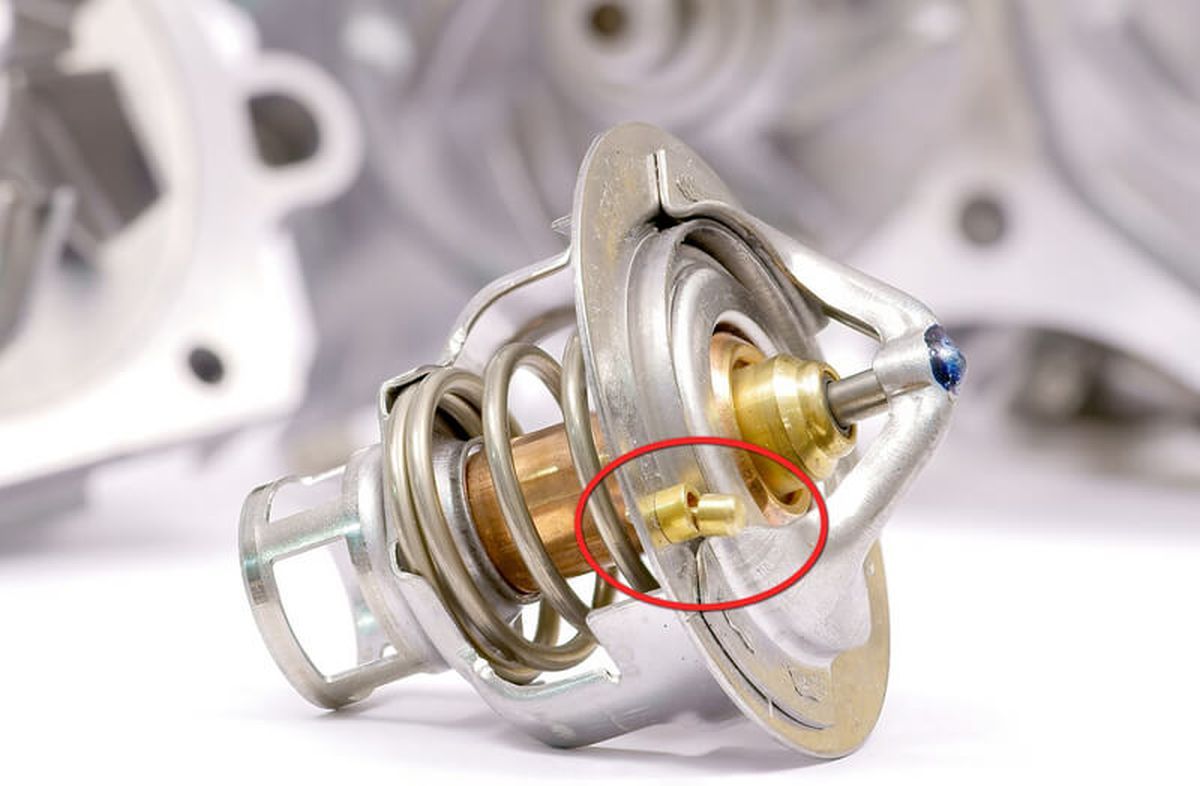
What Are the Symptoms of a Faulty Thermostat?
The thermostat is a small but extremely important component of the engine cooling system. Its main job is to regulate the flow of coolant between the engine and the radiator so that the engine can reach and maintain its correct operating temperature.
When the thermostat fails, it can become stuck open or stuck closed. These two failures produce very different symptoms.
A thermostat that stays open can prevent the engine from reaching its normal operating temperature, while a thermostat that remains closed can cause the engine to overheat.
What Does the Engine Thermostat Do?
When the engine is cold, the thermostat normally remains closed or mostly closed. This restricts coolant flow to the radiator and allows the engine to warm up more quickly.
Once the coolant reaches the thermostat's designed opening temperature, the thermostat gradually opens. Hot coolant can then flow toward the radiator, where heat is released before the coolant returns to the engine.
This creates a continuous cooling cycle:
Engine → Thermostat → Radiator → Water Pump → Engine
The exact operating temperature and system design vary between engines.
What Happens When the Thermostat Fails?
A thermostat can fail mechanically or become affected by contamination, corrosion, or internal damage.
The two main failure conditions are:
Thermostat stuck open
The coolant flows through the radiator too early or too continuously. The engine may take a long time to warm up and may remain below its intended operating temperature.
Thermostat stuck closed
Coolant cannot flow properly through the radiator. Engine temperature can rise rapidly, potentially causing overheating.
There are also intermediate failures where the thermostat opens partially, opens too late, or operates inconsistently.
Symptoms of a Faulty Thermostat
Engine overheating
One of the most serious thermostat symptoms is overheating.
If the thermostat remains closed, hot coolant may not circulate through the radiator correctly. As engine temperature continues to rise, the temperature gauge can move toward the red zone.
Overheating should never be ignored because excessive engine temperature can damage:
-
Head gasket
-
Cylinder head
-
Engine block
-
Pistons
-
Valves
-
Cooling-system components
However, overheating does not automatically mean the thermostat is faulty. A failed water pump, blocked radiator, cooling fan problem, low coolant level, or air trapped in the cooling system can produce similar symptoms.
Engine takes too long to warm up
A thermostat stuck open can cause the engine to warm up much more slowly than normal.
The temperature gauge may remain unusually low for a long period, particularly during cold weather or highway driving.
This is one of the classic signs of an open thermostat.
Engine temperature stays lower than normal
The engine may reach a temperature that is lower than its normal operating range and remain there.
In modern vehicles, the ECU may recognize that the engine is taking too long to reach the expected temperature and store a coolant-temperature-related fault code.
One commonly associated code is P0128, although the exact diagnostic code depends on the vehicle and the specific fault detected.
Temperature fluctuates abnormally
A defective thermostat may not simply remain permanently open or closed.
It can operate inconsistently, causing the temperature gauge to rise and fall unexpectedly.
For example, the engine may appear to warm up normally and then suddenly cool down while driving.
This can happen when the thermostat is sticking rather than moving smoothly.
Poor cabin heating
The engine's cooling system also supplies heat to the passenger compartment.
If the thermostat remains open, coolant may remain too cool for efficient heater operation.
As a result, the cabin heater may produce lukewarm air even though the engine has been running for a considerable amount of time.
Weak cabin heat can therefore be an indication of a thermostat problem, but it can also be caused by a restricted heater core, low coolant level, air in the cooling system, or another cooling-system fault.
Increased fuel consumption
An engine that operates below its intended temperature may not operate as efficiently as designed.
The ECU can adjust fuel injection and other parameters according to coolant temperature. If the engine remains too cold, fuel consumption can increase.
The increase may be relatively small or significant depending on the vehicle and the severity of the problem.
Check Engine Light
A thermostat problem can sometimes trigger the Check Engine Light.
The ECU monitors coolant temperature and how quickly the engine reaches its expected operating temperature.
If the measured temperature remains outside the expected range, the ECU may store a diagnostic trouble code.
Again, a code such as P0128 does not necessarily mean that the thermostat itself is definitely defective. The coolant temperature sensor, wiring, cooling fan, coolant level, and other components should also be considered.
Engine runs too hot in traffic
A thermostat problem can sometimes become more noticeable in certain driving conditions.
If coolant circulation is restricted, engine temperature may rise particularly quickly during:
-
Stop-and-go traffic
-
Long uphill driving
-
Hot weather
-
Heavy loads
-
Towing
-
Extended idling
However, overheating that occurs primarily while stationary can also point toward a cooling fan problem.
Can a Faulty Thermostat Cause Overheating?
Yes.
A thermostat stuck closed can restrict the flow of coolant toward the radiator.
As a result, the engine can continue producing heat while the radiator is unable to remove enough of it.
But there is an important diagnostic distinction.
Not every overheating engine has a faulty thermostat.
Other possible causes include:
-
Low coolant level
-
Coolant leak
-
Failed water pump
-
Blocked radiator
-
Cooling fan failure
-
Faulty coolant temperature sensor
-
Air trapped in the cooling system
-
Damaged radiator cap
-
Head gasket failure
-
Collapsed or damaged coolant hose
The entire cooling system should therefore be checked before replacing the thermostat.
Can a Faulty Thermostat Cause a Cold Engine?
Yes.
This usually happens when the thermostat is stuck open.
Instead of restricting radiator flow while the engine is cold, coolant continuously passes through the radiator. This increases heat loss and prevents the engine from reaching its intended operating temperature quickly.
The problem is especially noticeable during cold weather and at highway speeds.
How Can You Tell If the Thermostat Is Faulty?
Diagnosis should focus on actual coolant temperature rather than relying only on the dashboard gauge.
A diagnostic scanner can often display the coolant temperature reported by the engine coolant temperature sensor.
A technician can observe how the temperature changes from a cold start.
Normally, coolant temperature should gradually increase as the engine warms up. When the thermostat opens, the temperature behavior changes as coolant begins circulating through the radiator more extensively.
An infrared thermometer can also be useful for comparing temperatures at different parts of the cooling system.
However, temperature readings should be interpreted according to the specific engine's cooling-system design.
Thermostat vs Coolant Temperature Sensor
These two components are frequently confused.
The thermostat controls coolant flow mechanically.
The coolant temperature sensor measures coolant temperature and sends information to the ECU and/or dashboard system.
A faulty temperature sensor can therefore create symptoms that look similar to a thermostat problem.
For example, an incorrect sensor signal may make the dashboard display an abnormal temperature or cause the ECU to believe that the engine has not reached operating temperature.
Replacing the thermostat without testing the sensor can therefore result in an unnecessary repair.
Why Does a Thermostat Fail?
Several factors can contribute to thermostat failure.
Age and mechanical wear
The thermostat contains moving components and a temperature-sensitive mechanism. Over time, these components can lose their ability to operate correctly.
Corrosion
Poor-quality or contaminated coolant can contribute to corrosion inside the cooling system.
Incorrect coolant
Using an unsuitable coolant or mixing incompatible coolant types can contribute to deposits and corrosion.
Contamination
Rust, deposits, and degraded coolant can interfere with thermostat movement.
Cooling-system neglect
Long service intervals, incorrect coolant levels, and neglected coolant replacement can increase the likelihood of cooling-system problems.
Can a Thermostat Be Cleaned?
Usually, replacing the thermostat is the preferred solution when its internal mechanism has failed.
Unlike some electrical components, a thermostat generally does not become reliable again simply because its exterior is cleaned.
If the thermostat is sticking because of contamination, cleaning may appear to help temporarily, but the underlying mechanical condition may remain.
A new thermostat that matches the manufacturer's specification is generally the safer repair.
Should the Thermostat Be Replaced With the Coolant?
Often, thermostat replacement is performed together with coolant service, particularly if the coolant is old, contaminated, or the cooling system has been opened.
However, the correct procedure depends on the vehicle.
After the thermostat is replaced, the cooling system may need to be properly filled and bled of trapped air.
Incorrect bleeding can itself cause overheating, poor cabin heating, temperature fluctuations, and coolant circulation problems.
Can You Drive With a Bad Thermostat?
It depends on how the thermostat has failed.
A thermostat stuck open may allow the vehicle to continue operating, but the engine may run too cool, consume more fuel, and fail to operate under its intended thermal conditions.
A thermostat stuck closed is much more serious because it can cause rapid overheating.
If the temperature gauge enters the red zone, a coolant-temperature warning appears, steam is visible, or the engine shows signs of severe overheating, the vehicle should be stopped safely and the engine allowed to cool.
Never open the coolant reservoir or radiator cap while the cooling system is hot and pressurized.
What Damage Can an Overheating Thermostat Cause?
The thermostat itself is inexpensive compared with the potential consequences of severe overheating.
If the engine continues operating at excessive temperature, it can potentially lead to:
-
Cylinder-head distortion
-
Head-gasket failure
-
Coolant and oil contamination
-
Cracked components
-
Severe engine damage
For this reason, overheating should be treated as a priority rather than simply waiting to see whether the temperature returns to normal.
Final Thoughts
A faulty thermostat can cause two very different types of problems.
When it is stuck open, the engine may take too long to warm up, run cooler than normal, provide weak cabin heating, consume more fuel, and potentially trigger a Check Engine Light.
When it is stuck closed, coolant circulation through the radiator can be restricted and the engine may overheat.
However, thermostat symptoms overlap with many other cooling-system problems. A cooling fan, water pump, coolant temperature sensor, radiator, coolant level, air pocket, or head-gasket problem can produce similar symptoms.
For that reason, the thermostat should be diagnosed as part of the complete engine cooling system, rather than being replaced solely because the engine temperature appears abnormal.