TR
TR EN
EN

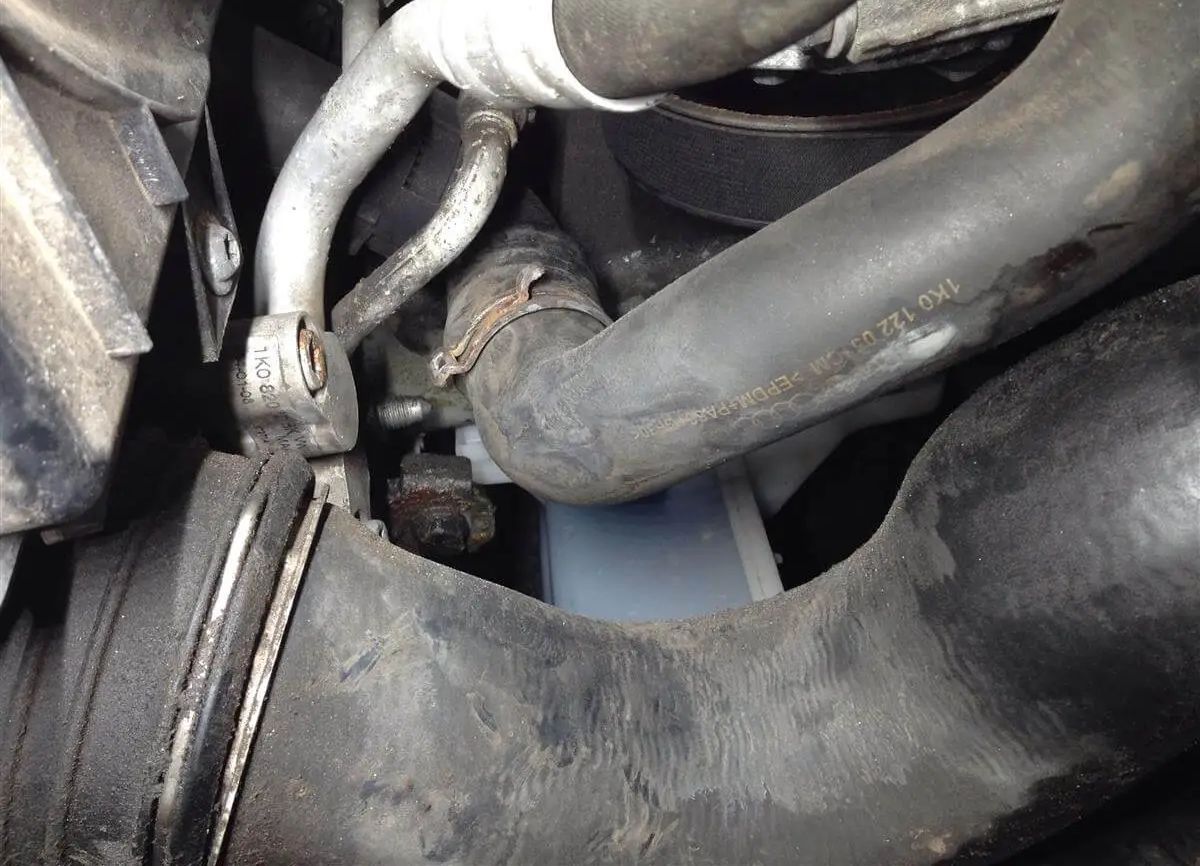
Why Does a Radiator Hose Swell? Symptoms of a Faulty Radiator Hose
Radiator hoses are an important part of the engine cooling system. They carry coolant between the engine, radiator, thermostat housing, and other cooling-system components. They are designed to withstand high temperatures, pressure, vibration, and repeated expansion and contraction.
A certain amount of firmness in a radiator hose when the engine is hot is normal. However, a hose that becomes excessively swollen, balloon-shaped, unusually hard, soft, cracked, or deformed may indicate a problem.
Importantly, a swollen radiator hose does not always mean that the hose itself is defective. Excessive cooling-system pressure can also be caused by a radiator cap, thermostat, cooling-system restriction, overheating, or even a head gasket problem.
Why Does a Radiator Hose Swell?
There are several possible reasons why a radiator hose may swell.
The most common causes include:
-
Aging and deterioration of the rubber
-
Excessive cooling-system pressure
-
A faulty radiator cap
-
Head gasket failure
-
A cracked or damaged cylinder head
-
A thermostat stuck closed
-
A blocked radiator
-
Restricted coolant passages
-
A failing water pump
-
Air trapped inside the cooling system
-
Incorrect or poor-quality replacement hose
-
Engine overheating
-
Oil contamination of the cooling system
-
Chemical deterioration of the hose material
The cause is important because replacing a swollen hose without addressing excessive system pressure can result in the new hose swelling or failing again.
Is It Normal for a Radiator Hose to Become Hard When the Engine Is Hot?
Yes, to a certain extent.
As the engine warms up, the coolant expands. Because the cooling system is sealed and pressurized, the pressure inside the system increases.
As a result, radiator hoses normally become firmer when the engine reaches operating temperature.
A normal hot radiator hose should not necessarily feel soft like it does when the engine is cold. However, there is a significant difference between a hose becoming firm and becoming extremely hard or visibly swollen.
A hose that becomes excessively hard may indicate unusually high cooling-system pressure.
Never remove the radiator cap when the engine is hot. Pressurized coolant can cause severe burns.
What Are the Symptoms of a Faulty Radiator Hose?
A damaged or deteriorated radiator hose can produce several visible and mechanical symptoms.
1. Visible Swelling or Ballooning
One of the clearest signs of a damaged radiator hose is visible swelling.
The hose may develop a localized bulge that looks like a balloon. This usually indicates that the internal structure of the rubber has weakened.
Radiator hoses contain reinforcement layers that help them withstand pressure. As these layers deteriorate, the rubber may no longer be able to maintain its original shape.
A swollen section should not be considered harmless simply because the hose is not leaking yet.
The weakened area can eventually rupture, particularly when the cooling system is under maximum pressure.
2. Radiator Hose Becomes Extremely Hard
A radiator hose that becomes extremely hard shortly after the engine starts may indicate excessive cooling-system pressure.
Possible causes include:
-
Combustion gases entering the cooling system
-
A head gasket problem
-
A faulty radiator cap
-
Restricted coolant circulation
-
Severe overheating
-
Other cooling-system faults
However, hose hardness alone cannot diagnose a head gasket failure.
The cooling system should be tested to determine whether pressure is actually excessive and whether combustion gases are entering the coolant.
3. Cracks, Splits, or Surface Damage
As rubber ages, it can become hard and brittle.
Small cracks may first appear around:
-
Hose bends
-
Clamps
-
Connection points
-
Areas exposed to high heat
-
Areas close to the engine
-
Places where the hose rubs against another component
Small surface cracks can eventually develop into a complete split.
A hose that is cracked, deeply weathered, or damaged should generally be replaced rather than repaired.
4. Coolant Leakage
A faulty radiator hose may leak coolant.
The leak may appear as:
-
Wetness around the hose connection
-
Coolant dripping underneath the vehicle
-
Dried coolant residue
-
White, pink, green, blue, or yellow deposits depending on the coolant
-
A sweet coolant smell
-
Low coolant level
Not every coolant leak comes directly through the hose itself. A loose clamp, damaged radiator neck, thermostat housing, or water outlet can produce a similar symptom.
The entire connection should therefore be inspected.
5. Soft, Spongy, or Collapsing Hose
A radiator hose can fail in the opposite way as well.
Instead of becoming excessively hard, an old hose may become unusually soft or spongy.
The internal reinforcement can deteriorate while the rubber loses its structural strength.
In some cases, the hose may also collapse when the engine is cooling down.
A collapsing hose can restrict coolant circulation and contribute to overheating.
A hose that becomes soft after prolonged exposure to oil or other chemicals may also have been chemically damaged.
6. Engine Overheating
A damaged radiator hose can contribute directly to engine overheating.
If a hose:
-
Leaks coolant,
-
Collapses,
-
Splits,
-
Restricts coolant flow,
-
Or completely ruptures,
the cooling system may lose its ability to circulate and retain coolant properly.
The engine temperature can then rise rapidly.
However, overheating does not automatically mean that the radiator hose is the cause. Thermostat failure, cooling fan problems, a blocked radiator, water pump failure, low coolant, air in the system, and head gasket problems can all cause overheating.
What Causes a Radiator Hose to Balloon?
Ballooning generally occurs when the hose material has lost its ability to withstand internal pressure.
A hose may look normal when cold but develop a noticeable bulge when the engine warms up.
This can happen because:
The rubber has aged
Repeated heating and cooling cycles gradually deteriorate the material.
The reinforcement has weakened
Many radiator hoses contain reinforcement layers. Damage to these layers can allow the hose to expand abnormally.
The hose has been exposed to oil
Engine oil or other petroleum-based substances can attack some rubber compounds and cause swelling or deterioration.
The cooling system pressure is too high
A mechanically healthy hose can also swell if the pressure inside the cooling system becomes excessive.
This distinction is extremely important during diagnosis.
Can a Bad Radiator Cap Cause a Radiator Hose to Swell?
Yes.
The radiator cap is not simply a cover. It controls cooling-system pressure through a pressure-relief mechanism.
If the cap does not regulate pressure correctly, the cooling system can experience abnormal pressure.
Depending on the failure, the system may:
-
Build excessive pressure
-
Fail to maintain pressure
-
Push coolant into the expansion tank incorrectly
-
Lose coolant
-
Create hose deformation
Therefore, a swollen hose should sometimes be diagnosed together with the radiator cap.
Replacing the hose without checking the pressure-control system may not solve the underlying problem.
Can a Head Gasket Cause a Swollen Radiator Hose?
Yes, a head gasket failure can cause excessive cooling-system pressure.
If combustion gases enter a coolant passage through a damaged head gasket, extremely high-pressure combustion gases can enter the cooling system.
This can cause:
-
Rapid hose pressurization
-
Excessively hard radiator hoses
-
Coolant loss
-
Coolant bubbling
-
Expansion tank overflow
-
Repeated overheating
-
White exhaust smoke in some cases
-
Engine misfire during startup
-
Combustion-gas contamination of the cooling system
However, a hard radiator hose does not automatically mean the head gasket is blown.
A cooling-system pressure test, combustion-gas test, compression test, leak-down test, and other diagnostic procedures may be needed depending on the symptoms.
Can a Bad Thermostat Cause a Swollen Radiator Hose?
It can contribute to excessive pressure and overheating.
If the thermostat remains closed when it should open, coolant circulation between the engine and radiator can be restricted.
The engine may become excessively hot and pressure can increase.
Possible symptoms include:
-
Rising coolant temperature
-
Upper radiator hose becoming very hot
-
Poor coolant circulation
-
Coolant expansion
-
Overheating
-
Cooling fan operating frequently
However, thermostat failure should not be diagnosed solely by comparing the temperature or hardness of the hoses.
Temperature measurements and proper cooling-system diagnostics are more reliable.
Can a Bad Water Pump Cause Radiator Hose Problems?
A failing water pump can reduce coolant circulation.
Depending on the pump design and failure mode, problems can occur because of:
-
Damaged impeller
-
Loose impeller
-
Worn bearings
-
Mechanical seal failure
-
Drive belt problems
-
Incorrect pump installation
Reduced circulation can cause localized overheating and abnormal cooling-system behavior.
A water pump problem can therefore produce symptoms that appear similar to thermostat or radiator problems.
What Happens If a Swollen Radiator Hose Bursts?
A swollen hose can eventually rupture.
If this happens while driving, a large amount of coolant may be lost within a very short time.
The consequences can include:
-
Rapid coolant loss
-
Sudden engine overheating
-
Steam from the engine compartment
-
Reduced cooling-system pressure
-
Engine damage if driving continues
Depending on the location of the failed hose, coolant can also spray onto hot engine components.
If the temperature gauge suddenly rises, a coolant warning appears, or significant steam comes from the engine compartment, the vehicle should be stopped safely as soon as possible.
Continuing to drive an overheating engine can cause severe and expensive damage.
Can a Radiator Hose Be Repaired?
In most cases, a damaged radiator hose should be replaced rather than repaired.
Temporary solutions such as tape, sealant, or makeshift patches are unreliable because the hose operates under heat and pressure.
The replacement hose must be appropriate for the specific vehicle and cooling-system application.
The following should also be checked:
-
Hose diameter
-
Shape and routing
-
Temperature resistance
-
Pressure resistance
-
Correct connection points
-
Hose clamps
-
Nearby components
Using the wrong hose can result in premature failure or restricted coolant flow.
Should Both Radiator Hoses Be Replaced?
Not necessarily.
The upper and lower radiator hoses do different jobs and may age at different rates.
However, if one hose has failed because of age, the condition of the other hoses should be inspected carefully.
If several hoses are hard, cracked, swollen, or deteriorated, replacing only the visibly damaged hose may not be the best long-term solution.
The expansion tank hoses, heater hoses, turbocharger coolant hoses, and other coolant lines should also be inspected where applicable.
How Is a Swollen Radiator Hose Diagnosed?
A proper diagnosis starts with a visual inspection.
The technician should inspect the hose for:
-
Bulges
-
Cracks
-
Cuts
-
Soft spots
-
Abrasion
-
Oil contamination
-
Coolant residue
-
Damaged clamps
-
Deformed connection points
The cooling system can then be tested for pressure.
If excessive pressure is suspected, the technician may need to investigate:
-
Radiator cap operation
-
Thermostat operation
-
Coolant circulation
-
Water pump performance
-
Radiator restriction
-
Combustion gases in the coolant
-
Cooling fan operation
-
Head gasket condition
On modern vehicles, scan-tool data can also help evaluate coolant temperature and cooling-system-related faults, but an OBD scanner cannot determine the physical condition of a radiator hose by itself.
Can a Swollen Radiator Hose Cause Coolant Loss?
Yes.
A swollen hose has weakened structural integrity and may eventually develop a crack or rupture.
Even before complete failure, the hose may leak around a weakened area or connection.
Repeated coolant loss should never be ignored because low coolant can lead to overheating.
If coolant has to be added repeatedly, the cause of the coolant loss should be identified rather than simply topping up the reservoir.
Is a Slightly Soft Radiator Hose Normal?
The condition of a hose depends on whether the engine is cold or hot.
When cold, a radiator hose should have some flexibility. When hot, it should become firmer because of the increased cooling-system pressure.
A hose that is extremely soft, spongy, sticky, cracked, or structurally weak may indicate deterioration.
On the other hand, judging a hose solely by squeezing it is not always reliable. Internal deterioration can exist even when the outside of the hose looks relatively normal.
What Should You Do If a Radiator Hose Is Swollen?
If a radiator hose has a visible bulge or balloon-shaped section, it should be inspected as soon as possible.
Do not assume that it is safe simply because there is no coolant leak yet.
The correct approach is to determine whether:
-
The hose itself has deteriorated.
-
The cooling system is developing excessive pressure.
-
The radiator cap is regulating pressure correctly.
-
The coolant is circulating properly.
-
The engine is overheating.
-
Combustion gases are entering the cooling system.
If the hose is structurally damaged, replacement is normally the appropriate repair.
If the system is producing excessive pressure, however, the underlying cause must also be repaired.
Final Thoughts
A radiator hose can become firmer as the engine reaches operating temperature, and this is normal to a certain extent. Excessive swelling, ballooning, extreme hardness, cracking, softness, collapsing, or coolant leakage is not normal.
A deteriorated hose can fail suddenly and cause rapid coolant loss and engine overheating. However, a swollen or extremely hard hose does not automatically mean that the hose itself is the root cause.
A faulty radiator cap, thermostat, water pump, restricted radiator, overheating condition, or head gasket problem can also produce abnormal cooling-system pressure and hose behavior.
For this reason, the hose should be inspected together with the entire cooling system rather than simply replacing the hose based on its appearance alone.