TR
TR EN
EN

What Are the Symptoms of a Faulty Windshield Wiper Motor?
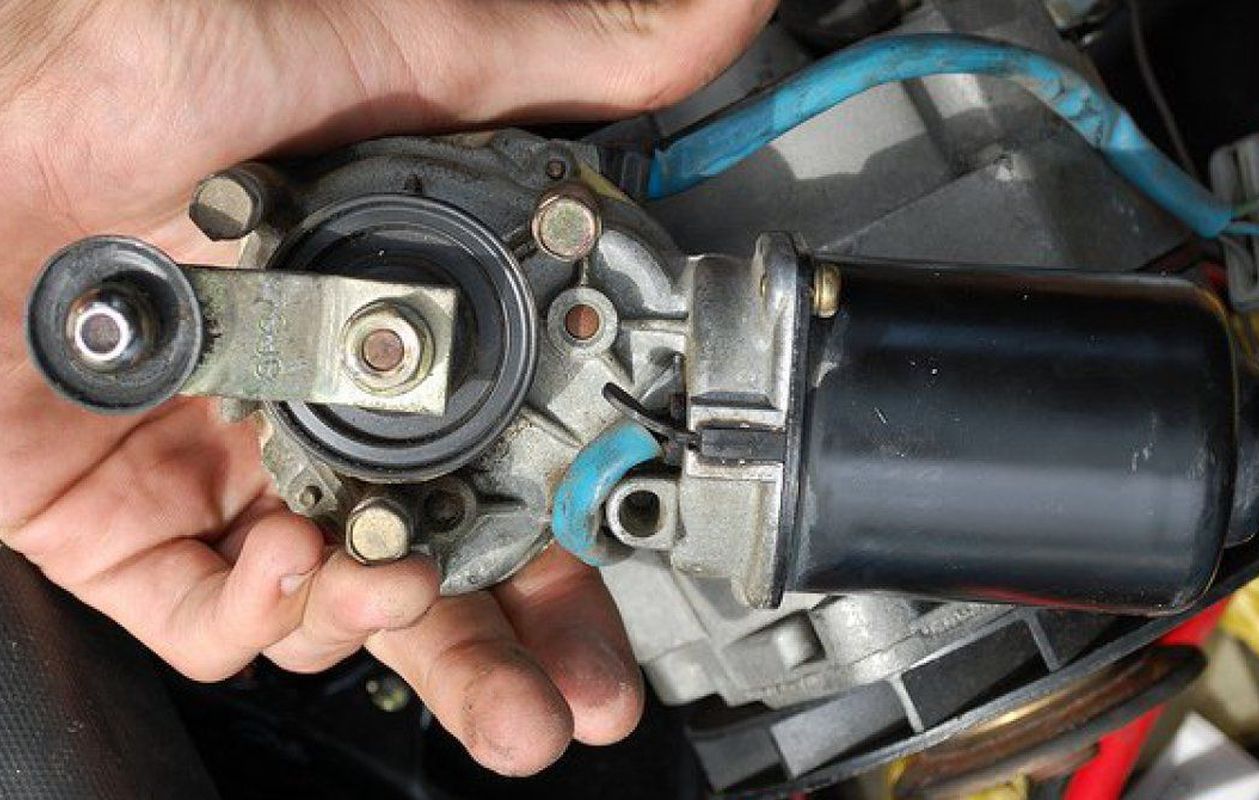
The windshield wiper motor is the electrical component that drives the windshield wipers and allows them to move across the glass. Although it is a relatively simple system, a problem with the wiper motor can make driving dangerous, especially in heavy rain or snow.
What Are the Symptoms of a Faulty Windshield Wiper Motor?
The windshield wiper motor is the electrical component that drives the windshield wipers and allows them to move across the glass. Although it is a relatively simple system, a problem with the wiper motor can make driving dangerous, especially in heavy rain or snow.
A faulty wiper motor does not always fail completely. In many cases, the first signs are intermittent operation, slow movement, unusual noises, or wipers that stop in the wrong position.
What Does the Windshield Wiper Motor Do?
The wiper motor converts electrical energy into mechanical movement. When you select a wiper speed from the control stalk, the vehicle sends electrical power to the motor.
The motor then rotates a mechanism connected to the wiper linkage. This converts the motor's rotational movement into the back-and-forth movement of the wiper arms.

Depending on the vehicle, the system may include:
-
Windshield wiper motor
-
Wiper linkage or transmission mechanism
-
Wiper arms
-
Wiper blades
-
Wiper control stalk
-
Wiper relay or electronic control module
-
Fuse
-
Wiring and connectors
-
Parking-position switch or position sensor
Therefore, a wiper that does not work does not automatically mean the motor itself has failed.
Common Symptoms of Wiper Motor Failure
A defective wiper motor can produce several different symptoms. Some indicate an electrical problem, while others may point toward a mechanical problem in the linkage.
The wipers do not move at all
This is one of the most obvious symptoms. When the wiper switch is activated, the motor does not operate and the wiper arms remain stationary.
However, before replacing the motor, the fuse, relay, wiring, connector, switch, and power supply should also be checked.
Wipers move very slowly
Wipers that have gradually become slower than normal can indicate increased resistance in the wiper mechanism or a weakening motor.
A seized or partially seized linkage can place excessive load on the motor. As a result, replacing the motor without checking the linkage may not solve the problem.
Wipers work intermittently
The wipers may work normally at one moment and stop at another. They may also start working again after switching the system off and on.
Possible causes include:
-
Worn motor brushes
-
Internal motor faults
-
Poor electrical connections
-
Damaged wiring
-
Faulty relay
-
Wiper switch problems
-
Electronic control module problems
Intermittent operation is particularly important because the motor may be approaching complete failure.
Wipers stop in the middle of the windshield
Normally, when you switch the wipers off, they return to a designated parking position.
If they stop halfway across the windshield or remain in an unusual position, the motor's internal parking circuit may be defective. In some vehicles, the problem can also be caused by the control module or wiring.
Wipers do not return to the correct parking position
A faulty parking switch inside the wiper motor can prevent the wipers from returning to their normal resting position.
This can leave the wiper blades:
-
Too high on the windshield
-
Too low
-
In the middle of the glass
-
In a different position each time
This symptom is often associated with the motor's internal parking mechanism, although the complete system should be tested before replacement.
The wiper motor makes unusual noises
Clicking, grinding, buzzing, humming, or excessive mechanical noise can indicate a problem.
The source of the noise is important. A damaged motor bearing can produce noise, but a worn linkage or seized pivot can create similar symptoms.
A grinding sound should not be ignored because excessive resistance can eventually damage the motor.
The wipers suddenly stop while driving
If the wipers stop during operation, the cause can be electrical or mechanical.
For example, an overloaded motor may shut down because of thermal protection. Once it cools, it may start working again.
This can create a confusing situation where the wipers work normally after several minutes but stop again when used continuously.
Why Do Windshield Wiper Motors Fail?
Wiper motors are exposed to moisture, temperature changes, vibration, and mechanical loads. Over time, these conditions can cause wear.
Common causes include:
Electrical motor wear
The brushes and internal electrical components can wear with age and use. This can cause intermittent operation or complete motor failure.
Water and moisture intrusion
Although the motor is designed for use in a wet environment, damaged seals or housing problems can allow moisture to enter areas where it should not.
Corrosion can then affect internal components or electrical connections.
Overloaded wiper mechanism
This is an important cause that is sometimes overlooked.
If the wiper linkage becomes stiff or one of the pivot points begins to seize, the motor has to work much harder than normal.
This additional load can cause the motor to overheat or fail prematurely.
Frozen windshield wipers
Trying to operate wipers that are frozen to the windshield can put an extremely high load on the motor and linkage.
Repeatedly operating the wipers while they are frozen can damage the mechanism.
Heavy snow or ice
A large amount of snow or ice on the windshield can also overload the wiper system.
The motor may be strong enough for normal operation but not designed to move a heavy frozen load.
Damaged wiring or connectors
Corroded connectors, loose terminals, broken wires, or poor grounds can interrupt the electrical supply to the motor.
This can produce symptoms that look almost identical to a defective motor.
Is the Wiper Motor Definitely Faulty If the Wipers Do Not Work?
No.
This is an important distinction when diagnosing the problem.
A non-working wiper system can be caused by:
-
Blown fuse
-
Faulty relay
-
Defective wiper switch
-
Broken wiring
-
Poor ground connection
-
Corroded connector
-
Faulty control module
-
Seized linkage
-
Damaged motor
-
Internal parking-switch failure
For this reason, replacing the motor immediately is not always the correct repair.
How Is a Wiper Motor Diagnosed?
Diagnosis usually begins with the simplest parts of the circuit.
First, the wiper fuse should be checked. If the fuse is blown, the reason for the failure should also be investigated rather than simply installing another fuse.
The next step is checking whether the motor receives the correct voltage when the wiper switch is activated.
If power and ground are present but the motor does not operate, the motor becomes a strong suspect.
If there is no power at the motor, the problem is more likely to be somewhere upstream in the circuit.
The wiper linkage should also be inspected for excessive resistance. The motor can appear defective when the real problem is a seized linkage or pivot.
Can a Bad Wiper Linkage Damage the Motor?
Yes.
A stiff linkage forces the motor to operate under excessive load. Over time, this can cause overheating and premature wear of the motor.
This is why replacing only the motor may result in another failure if the underlying mechanical problem is not corrected.
When a wiper motor fails repeatedly, the linkage and pivot points should be inspected carefully.
What Happens If You Continue Driving With a Faulty Wiper Motor?
A defective windshield wiper motor is not a problem that should be ignored.
In dry weather, the vehicle may still be drivable, but the problem can become dangerous when rain, snow, or road spray suddenly reduces visibility.
An intermittent motor can be especially risky because it may stop unexpectedly when the wipers are most needed.
If the wipers are already showing signs of failure, repairing the system before driving in bad weather is the safest approach.
Wiper Motor or Wiper Blade: How Can You Tell the Difference?
A worn wiper blade normally produces poor cleaning performance rather than complete loss of movement.
For example, worn blades may:
-
Leave water behind
-
Create streaks
-
Skip across the glass
-
Produce noise
-
Leave uncleaned areas
If the wiper arms themselves are not moving, the problem is more likely to involve the motor, linkage, fuse, wiring, switch, or control system.
Can a Wiper Motor Be Repaired?
Some wiper motors can technically be repaired, particularly older designs where brushes or other internal components can be serviced.
However, replacement is often preferred when the motor has significant internal wear, corrosion, bearing damage, or electrical failure.
The correct approach depends on the vehicle, motor design, availability of parts, and repair cost.
What Should Be Checked Before Replacing the Motor?
Before purchasing a new wiper motor, it is worth checking the entire circuit and mechanical system.
A proper inspection should include:
-
Wiper fuse
-
Relay
-
Wiper switch
-
Motor power supply
-
Ground connection
-
Electrical connectors
-
Wiring harness
-
Wiper linkage
-
Pivot points
-
Motor operation
-
Parking-position mechanism
This can prevent replacing an expensive component when the actual problem is a simple electrical connection or mechanical obstruction.
Final Thoughts
A faulty windshield wiper motor can cause anything from slow wiper movement and unusual noises to intermittent operation or complete failure.
However, the wiper motor is only one part of the system. A blown fuse, damaged wiring, faulty switch, seized linkage, poor ground, or control-module problem can create very similar symptoms.
If the wipers are slow, stopping unexpectedly, parking incorrectly, or making unusual noises, the complete system should be diagnosed rather than replacing the motor based on symptoms alone.