TR
TR EN
EN

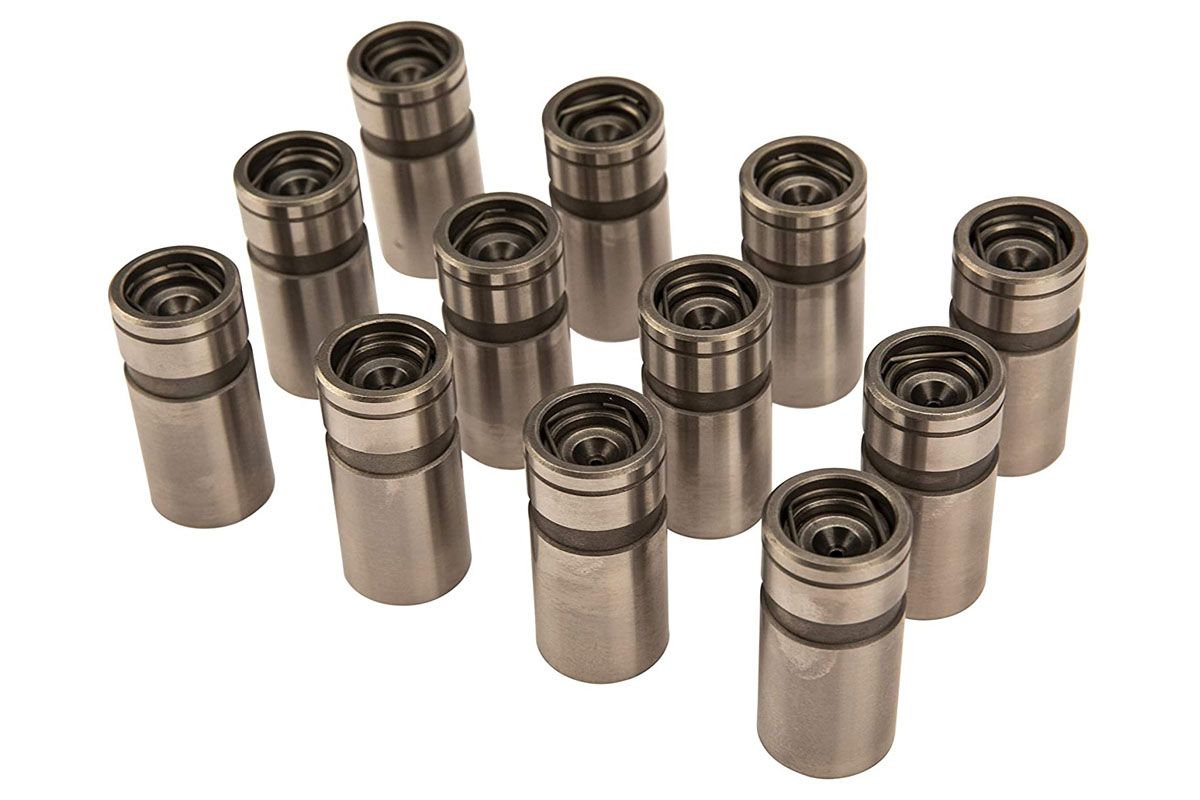
What Is a Lifter? Can Lifter Noise Be Eliminated? What Are the Symptoms of Lifter Failure?


A lifter, also known as a valve lifter, is an important component in the engine's valve train. It transfers the movement of the camshaft to the valve mechanism and helps ensure that the intake and exhaust valves open and close at the correct time.
Depending on the engine design, lifters can be mechanical or hydraulic. Hydraulic lifters are particularly common in modern engines because they can automatically compensate for small changes in valve clearance.
When a lifter begins to wear or fails to maintain the correct oil pressure, one of the most recognizable symptoms is a ticking or tapping noise from the top of the engine. But not every ticking noise means that the lifter is defective.
What Does a Lifter Do?

The camshaft has specially shaped lobes that control valve movement. As the camshaft rotates, these lobes push against the valve train.
The lifter acts as an important link in this mechanism.
Its main functions include:
-
Transferring camshaft movement to the valve mechanism
-
Maintaining the correct valve clearance in hydraulic systems
-
Reducing unwanted clearance between valve train components
-
Helping the valves open and close at the correct time
-
Reducing mechanical noise when operating correctly
A hydraulic lifter uses engine oil pressure to maintain the correct internal clearance. This allows it to compensate automatically for small changes caused by engine temperature, wear, and component expansion.

Hydraulic Lifter vs. Mechanical Lifter
Not all lifters work in the same way.
Hydraulic lifters
Hydraulic lifters use engine oil pressure to maintain valve clearance. They are designed to automatically compensate for small changes in clearance.
Their advantages include:
-
Quieter operation
-
Automatic clearance compensation
-
Reduced need for periodic valve adjustment
-
Smooth valve train operation
However, they are highly dependent on clean engine oil and adequate oil pressure.
Mechanical lifters
Mechanical lifters do not automatically compensate for valve clearance in the same way. The engine may require periodic valve clearance adjustment depending on its design.
Mechanical systems can be durable and precise, but incorrect valve clearance can result in noise, performance problems, and increased component wear.
What Does Lifter Noise Sound Like?
A lifter problem often produces a ticking, tapping, or clicking sound from the upper part of the engine.
The noise may be:
-
More noticeable immediately after starting
-
More obvious when the engine is cold
-
Faster as engine RPM increases
-
Less noticeable after the engine warms up
-
Present continuously when the lifter is severely worn
-
Intermittent depending on oil pressure and engine temperature
A typical lifter noise often follows engine speed because the valve train operates in synchronization with the camshaft.
However, this is an important point: a ticking sound from the top of the engine does not automatically mean that the lifters are bad.
Fuel injectors, variable valve timing components, camshaft components, timing chains, exhaust leaks, and other valve train components can produce similar noises.
Can Lifter Noise Be Eliminated?
Sometimes, yes.
Whether lifter noise can be eliminated depends entirely on its cause.
If the lifter itself is mechanically damaged or excessively worn, an oil change will not permanently repair it. However, if the problem is caused by dirty oil, incorrect oil viscosity, restricted oil passages, or temporary loss of hydraulic pressure, correcting the lubrication problem may significantly reduce or completely eliminate the noise.
This is why replacing lifters immediately is not always the correct first step.
When Can an Oil Change Fix Lifter Noise?
An oil and filter change can sometimes help when the problem is related to lubrication.
Possible causes include:
-
Old engine oil
-
Incorrect oil viscosity
-
Sludge formation
-
Dirty oil passages
-
A restricted oil filter
-
Low oil level
-
Oil that loses pressure when hot
Hydraulic lifters contain small internal passages and check valves. Contaminated oil can interfere with their operation.
Using the correct oil specified for the engine and replacing the filter can restore proper operation in some cases.
However, an oil change should not be considered a guaranteed lifter repair.
Can Lifter Noise Be Reduced by Cleaning?
There are engine oil additives marketed specifically for noisy hydraulic lifters and valve train components.
Some products may help when the underlying problem is caused by deposits or a sticking internal mechanism.
However, additives cannot repair:
-
A worn lifter body
-
A damaged internal check valve
-
Severe wear
-
A damaged camshaft
-
Excessive valve train clearance
-
Low oil pressure caused by a mechanical problem
If the noise disappears temporarily after an additive but returns later, the underlying problem may still be present.
Common Symptoms of Lifter Failure
Lifter failure does not always produce exactly the same symptoms. The severity depends on whether the problem is caused by lubrication, internal wear, or physical damage.
Persistent ticking or tapping noise
This is the classic symptom.
The noise generally comes from the upper part of the engine and often follows engine RPM.
Noise that changes with engine temperature
A hydraulic lifter may become noisier when cold and quieter after the oil reaches operating temperature.
On the other hand, a lifter that becomes significantly noisier when the engine is hot can indicate a different type of problem, such as inadequate oil pressure.
Rough idle
A severely damaged lifter can prevent a valve from operating correctly.
This can lead to:
-
Uneven idle
-
Engine vibration
-
Misfire-like behavior
-
Reduced combustion efficiency
Engine misfire
If a lifter prevents a valve from opening or closing correctly, the affected cylinder may not breathe properly.
The result can be a misfire, particularly at certain engine speeds or loads.
In such cases, diagnostic trouble codes such as cylinder-specific misfire codes may be stored.
Loss of engine performance
A valve that does not open to the correct amount can reduce airflow into or out of the cylinder.
This may cause:
-
Reduced acceleration
-
Loss of power
-
Poor throttle response
-
Weak performance at higher RPM
Increased fuel consumption
Poor valve operation can reduce combustion efficiency. Depending on the severity of the problem, fuel consumption may increase.
However, increased fuel consumption is not specific to lifter failure and should be evaluated alongside other symptoms.
Check Engine Light
A lifter problem does not necessarily trigger a Check Engine Light.
However, if the mechanical problem causes misfires or abnormal camshaft/valve timing, the ECU may detect the resulting condition and store fault codes.
This means an illuminated Check Engine Light can be an indirect symptom rather than a direct indication of a bad lifter.
What Causes Lifter Failure?
Lifters operate under demanding conditions. They are exposed to high temperatures, repeated mechanical loads, and continuous lubrication requirements.
Common causes of problems include:
-
Low engine oil level
-
Incorrect oil viscosity
-
Poor-quality or contaminated oil
-
Extended oil change intervals
-
Sludge and deposits
-
Restricted oil passages
-
Low engine oil pressure
-
Internal lifter wear
-
Damaged check valve
-
Excessive valve train wear
-
Camshaft wear
-
Incorrect installation
-
Long periods without running the engine
In hydraulic systems, lubrication quality is particularly important.
Low Oil Pressure Can Look Like a Lifter Problem
This is one of the most important points when diagnosing lifter noise.
If engine oil pressure is too low, hydraulic lifters may not receive enough pressure to maintain their internal position.
The result can be lifter noise even when the lifter itself is not the original cause.
Low oil pressure can result from:
-
Low oil level
-
Incorrect oil viscosity
-
Worn oil pump
-
Excessive bearing clearance
-
Blocked oil pickup
-
Internal engine wear
-
Restricted oil passages
-
Faulty oil pressure control components
Therefore, replacing lifters without checking oil pressure can result in unnecessary repairs.
Can a Lifter Cause Engine Damage?
Yes, a severely damaged lifter can contribute to more serious engine problems.
If a lifter stops operating correctly, the resulting abnormal movement can increase wear on other valve train components.
Depending on the engine design, damage can eventually involve:
-
Camshaft lobes
-
Rocker arms
-
Pushrods
-
Valves
-
Valve springs
-
Valve guides
-
Other valve train components
If a lifter becomes completely collapsed or mechanically damaged, the affected valve may not operate correctly.
For this reason, persistent lifter noise should not simply be ignored.
Lifter Noise vs. Injector Noise
Modern engines often produce noticeable clicking noises from the injectors.
Direct-injection engines, in particular, can have relatively loud injector operation.
Injector noise is often:
-
Sharp and rhythmic
-
Located around the fuel injection system
-
Present even when the engine is operating normally
A lifter noise generally originates from the valve train area.
Because these noises can sound very similar, locating the source of the sound is an important part of diagnosis.
Lifter Noise vs. Timing Chain Noise
Timing chain problems can also produce ticking, rattling, or knocking sounds from the upper part of the engine.
A worn timing chain or tensioner may produce:
-
Rattling during startup
-
Chain noise at idle
-
Noise that changes with RPM
-
Camshaft timing-related fault codes
-
Poor engine performance
A lifter typically produces more of a repetitive ticking or tapping sound, while a loose timing chain or faulty tensioner may produce a more noticeable rattling sound.
Nevertheless, sound alone is not enough to make a reliable diagnosis.
How Is a Lifter Problem Diagnosed?
A proper diagnosis should start by determining exactly where the noise is coming from.
The technician may check:
-
Engine oil level
-
Oil condition
-
Correct oil specification
-
Oil filter
-
Actual engine oil pressure
-
Valve train operation
-
Camshaft condition
-
Rocker arms
-
Pushrods where applicable
-
Lifter movement
-
Valve clearance where applicable
-
Engine misfire data
-
Camshaft timing data
-
Related diagnostic trouble codes
A mechanic's stethoscope can also help identify the area producing the noise.
For a hydraulic lifter problem, checking actual oil pressure can be particularly valuable.
Should You Replace All Lifters?
Not necessarily.
If one lifter has failed, the correct repair depends on the engine manufacturer's procedures and the condition of the surrounding valve train.
The technician may need to inspect the camshaft and other components before deciding which parts should be replaced.
If a worn lifter has damaged a camshaft lobe, replacing only the lifter may not solve the problem.
Likewise, if the lifter failure was caused by low oil pressure, replacing the lifter without repairing the lubrication problem may cause the replacement part to fail as well.
Can You Drive With a Noisy Lifter?
It depends on the severity and the underlying cause.
A mild ticking noise that occurs briefly after a cold start may not immediately indicate catastrophic engine damage. Some hydraulic lifters can take a short period to build oil pressure after the engine has been sitting.
However, persistent or worsening noise should be investigated.
Driving for a long time with a genuine mechanical lifter problem can increase wear on the valve train and potentially lead to more expensive engine repairs.
If the noise is accompanied by:
-
Misfire
-
Significant power loss
-
Low oil pressure warning
-
Heavy knocking
-
Severe engine vibration
-
Check Engine Light flashing
the vehicle should not continue to be driven until the cause is identified.
Does Thicker Oil Stop Lifter Noise?
Using thicker oil is sometimes suggested as a way to reduce engine noise, but this is not automatically a good solution.
A thicker oil may change the sound temporarily in some engines, but it can also negatively affect lubrication during cold starts or interfere with systems designed around a specific oil viscosity.
Modern engines, especially those equipped with variable valve timing, often require a precise oil viscosity and specification.
The correct approach is to use the oil specification recommended by the manufacturer rather than choosing a thicker oil simply to hide a noise.
Final Thoughts
A lifter is a small but critical part of the engine's valve train, and hydraulic lifters depend heavily on proper oil pressure and clean engine oil.
The most recognizable symptom of a lifter problem is a repetitive ticking or tapping noise from the upper part of the engine. Other possible symptoms include rough idle, misfires, reduced engine performance, increased fuel consumption, and, in some cases, a Check Engine Light.
However, a noisy engine does not automatically mean that the lifters are defective. Low oil pressure, incorrect oil viscosity, dirty oil, timing chain components, camshaft wear, rocker arms, injectors, and other valve train components can produce similar symptoms.
If lifter noise appears, the best approach is to determine the exact source of the noise, verify the engine oil level and specification, check oil pressure when necessary, and inspect the valve train before replacing expensive components.